
Product Catalog
Restaurant Furniture & Seating Manufacturer
Restaurant furniture collection
Product results
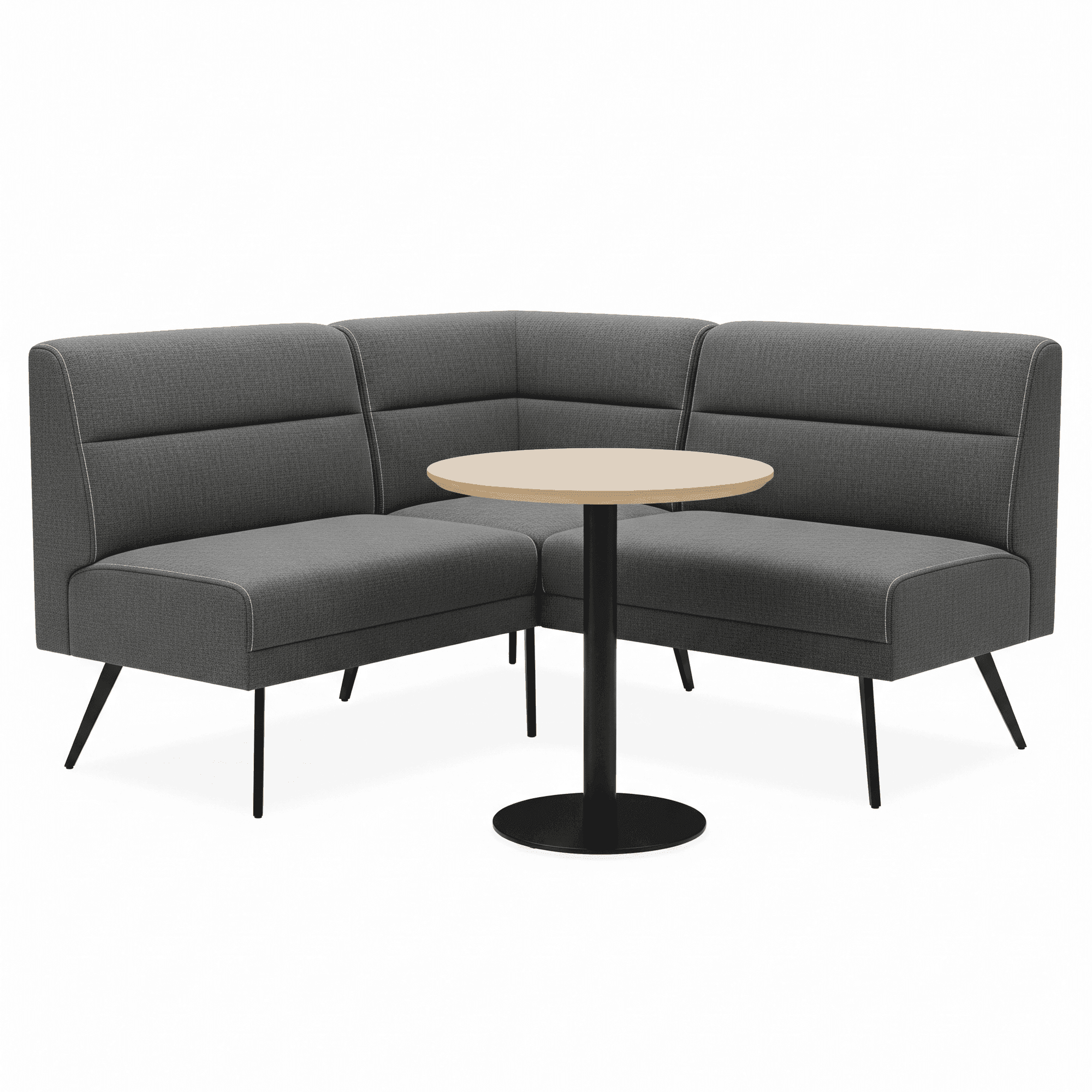
Corner Booth
Dining Area › Booths
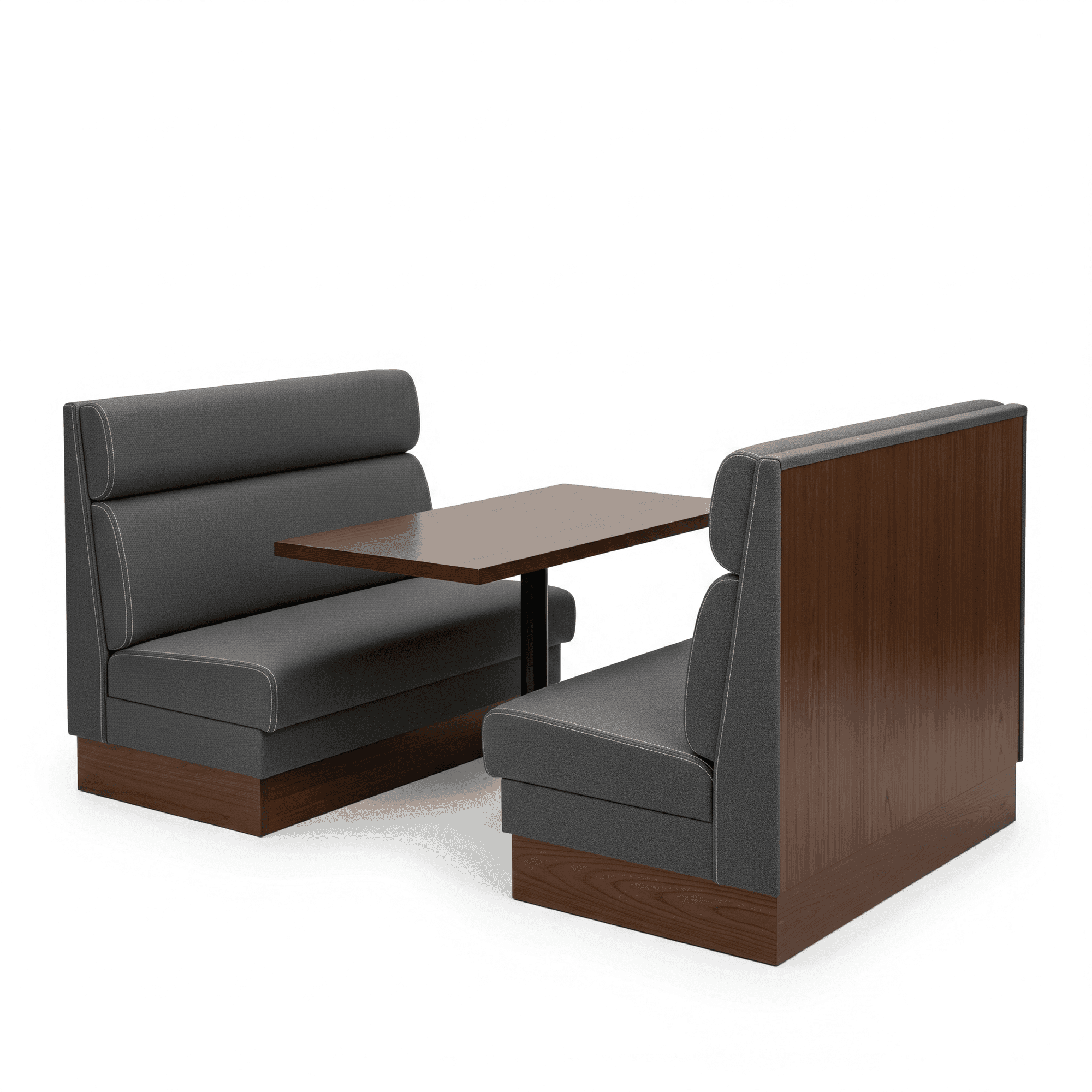
Double Booth
Dining Area › Booths
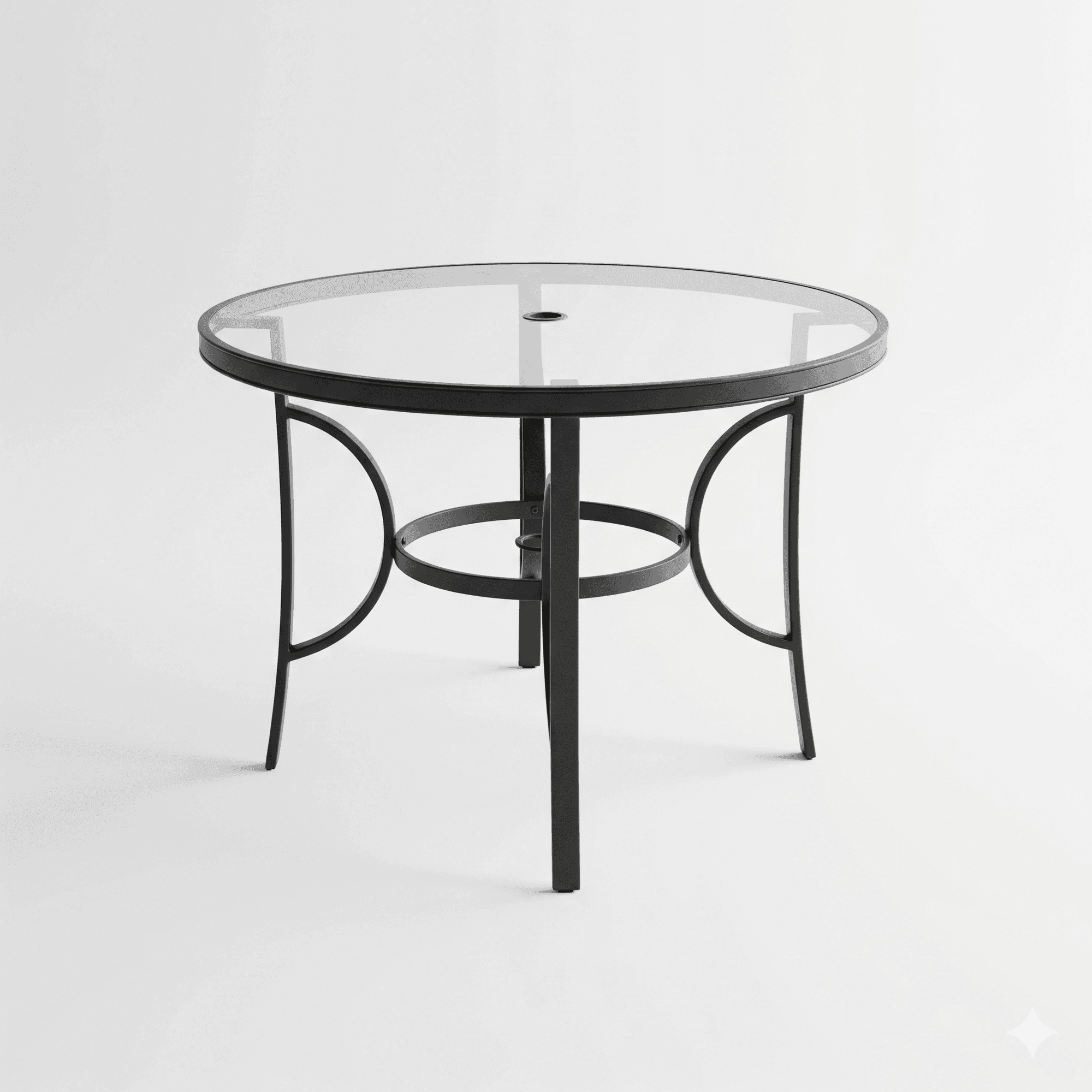
Glass Patio Table
Outdoor Seating › Patio Tables
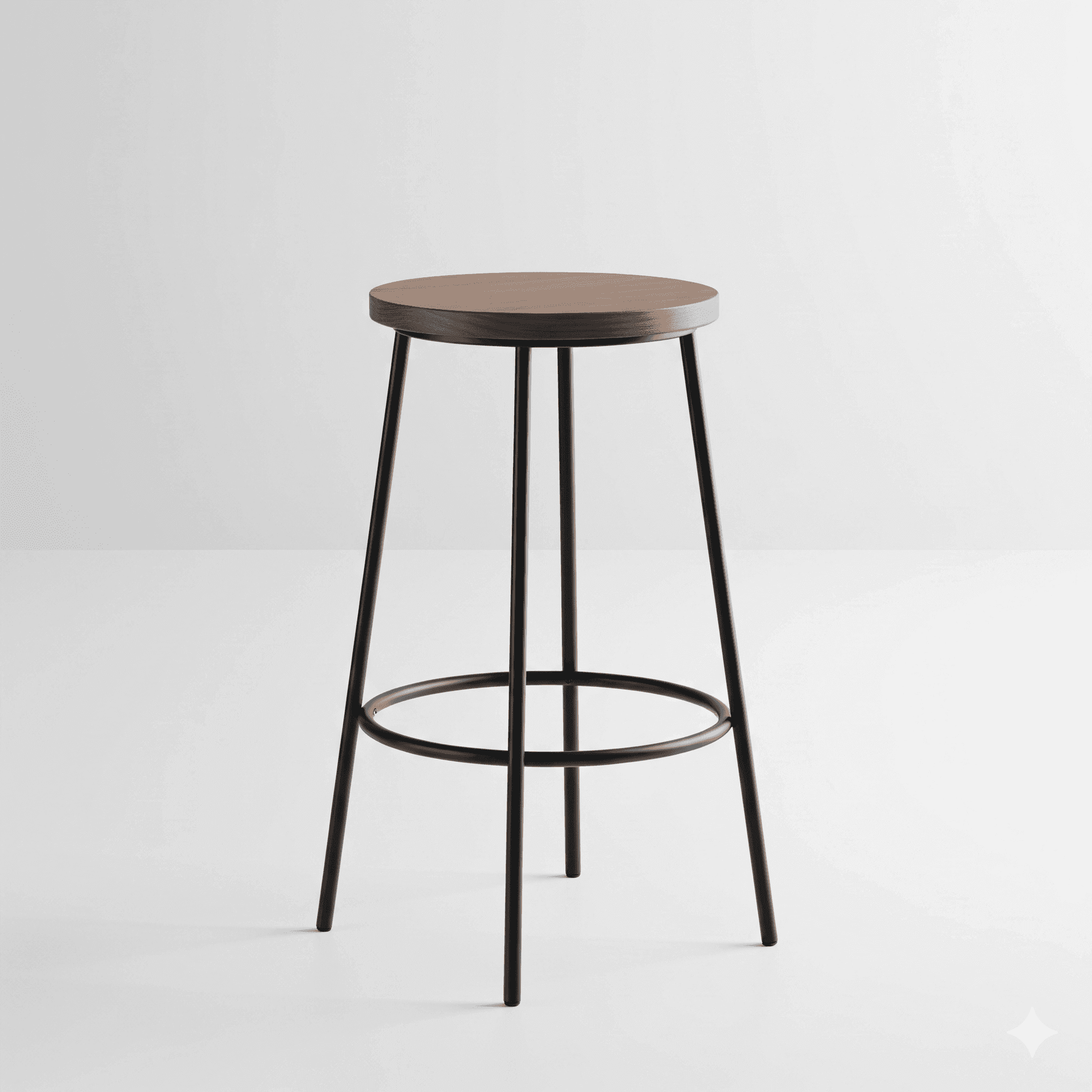
High Bar Stool
Dining Area › Bar Stools
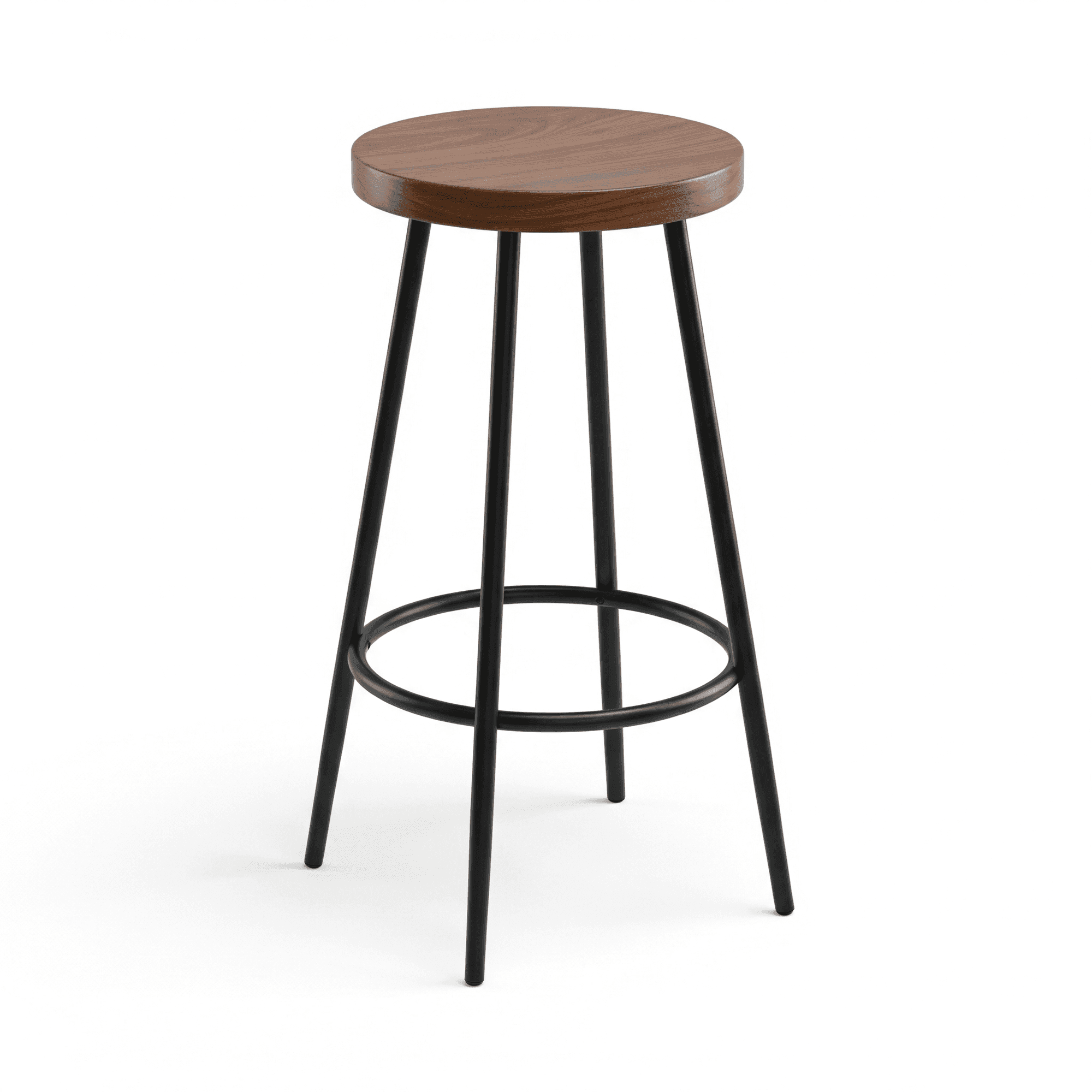
Medium Bar Stool
Dining Area › Bar Stools
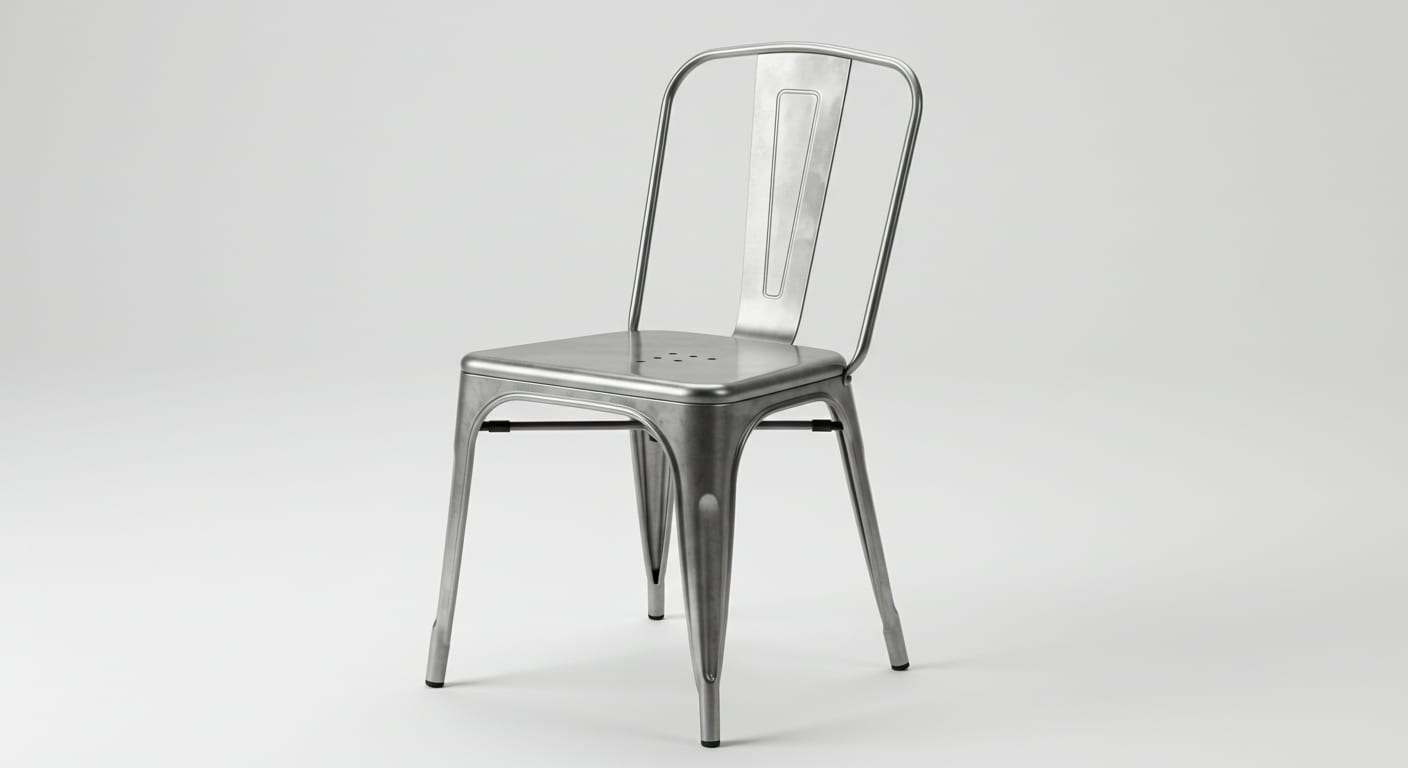
Metal Chair
Outdoor Seating › Outdoor Chairs
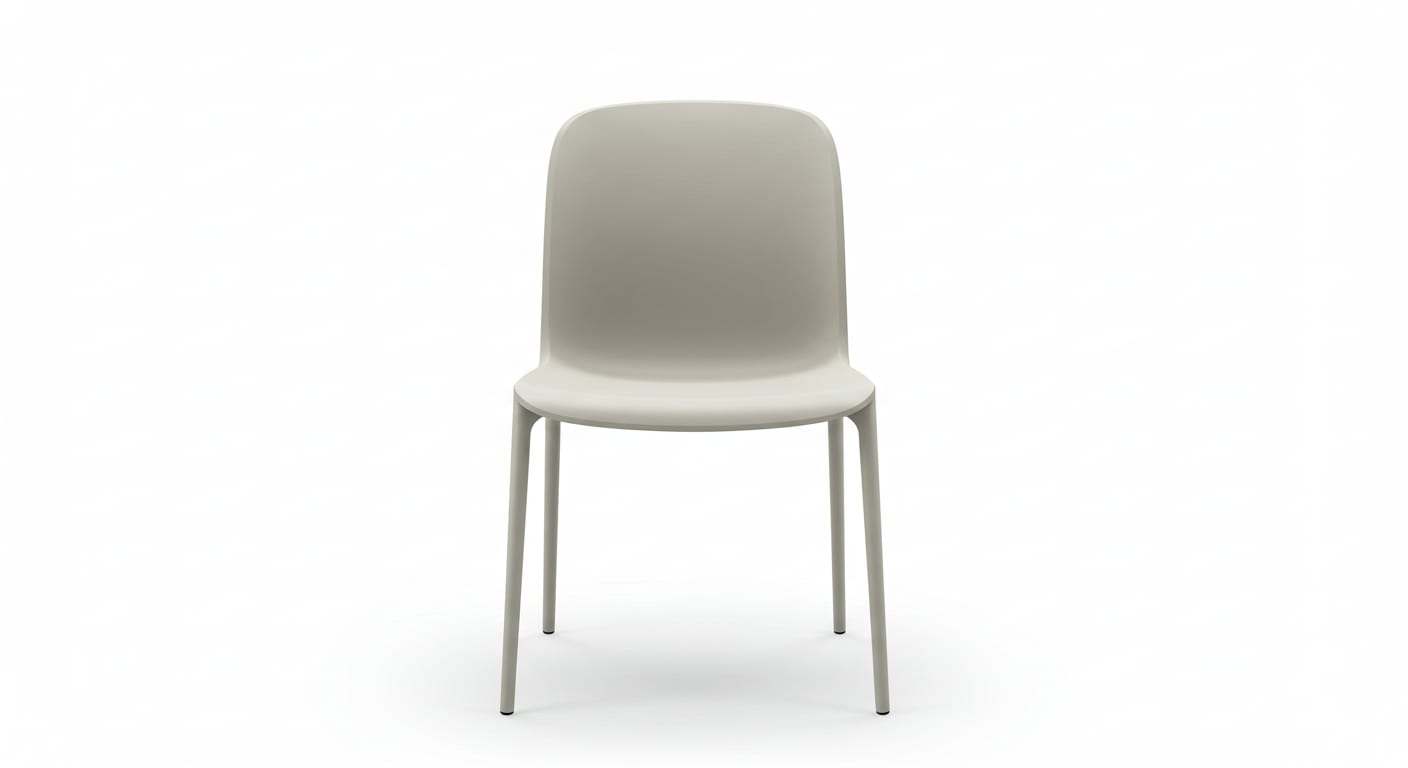
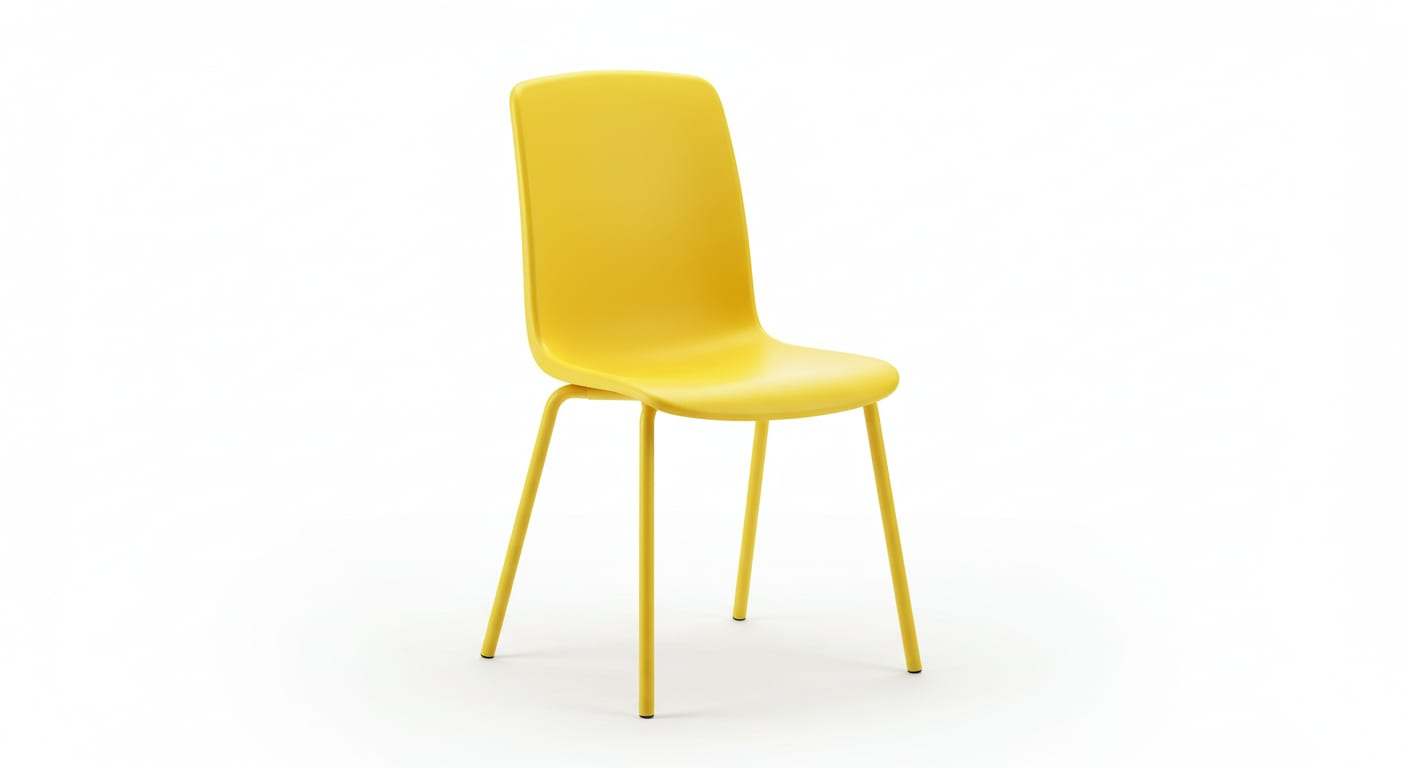
Outdoor Plastic Chair
Outdoor Seating › Outdoor Chairs
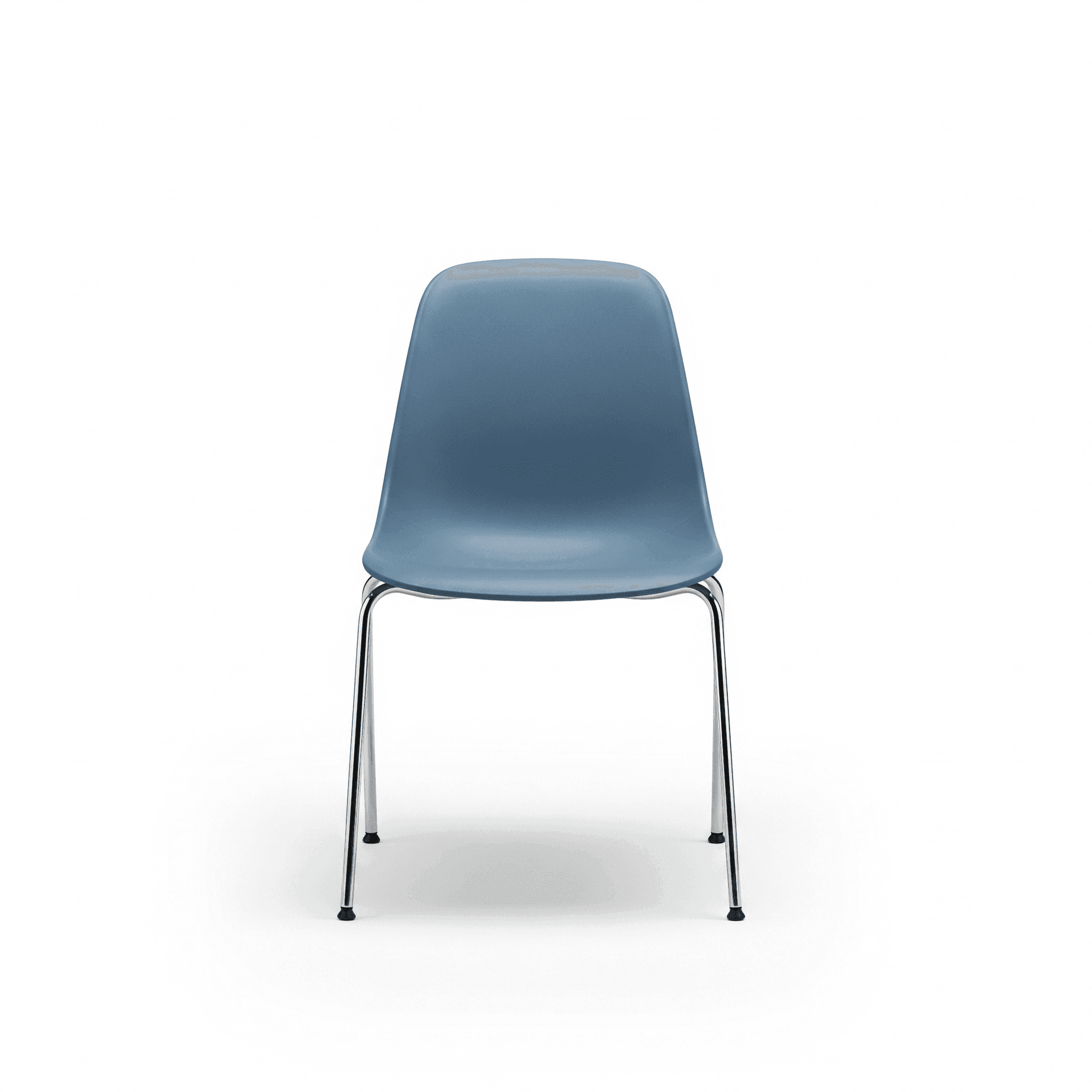
Plastic Chair
Dining Area › Dining Chairs
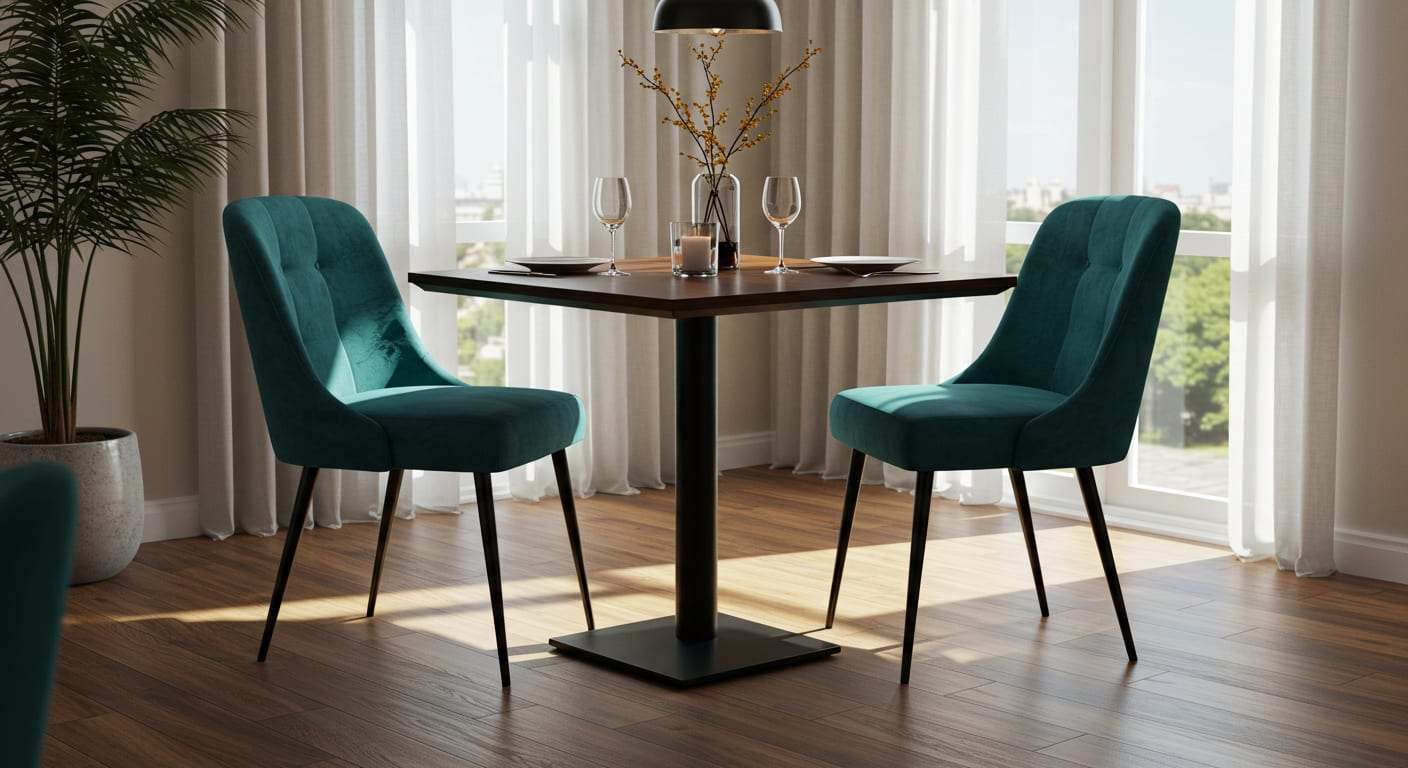
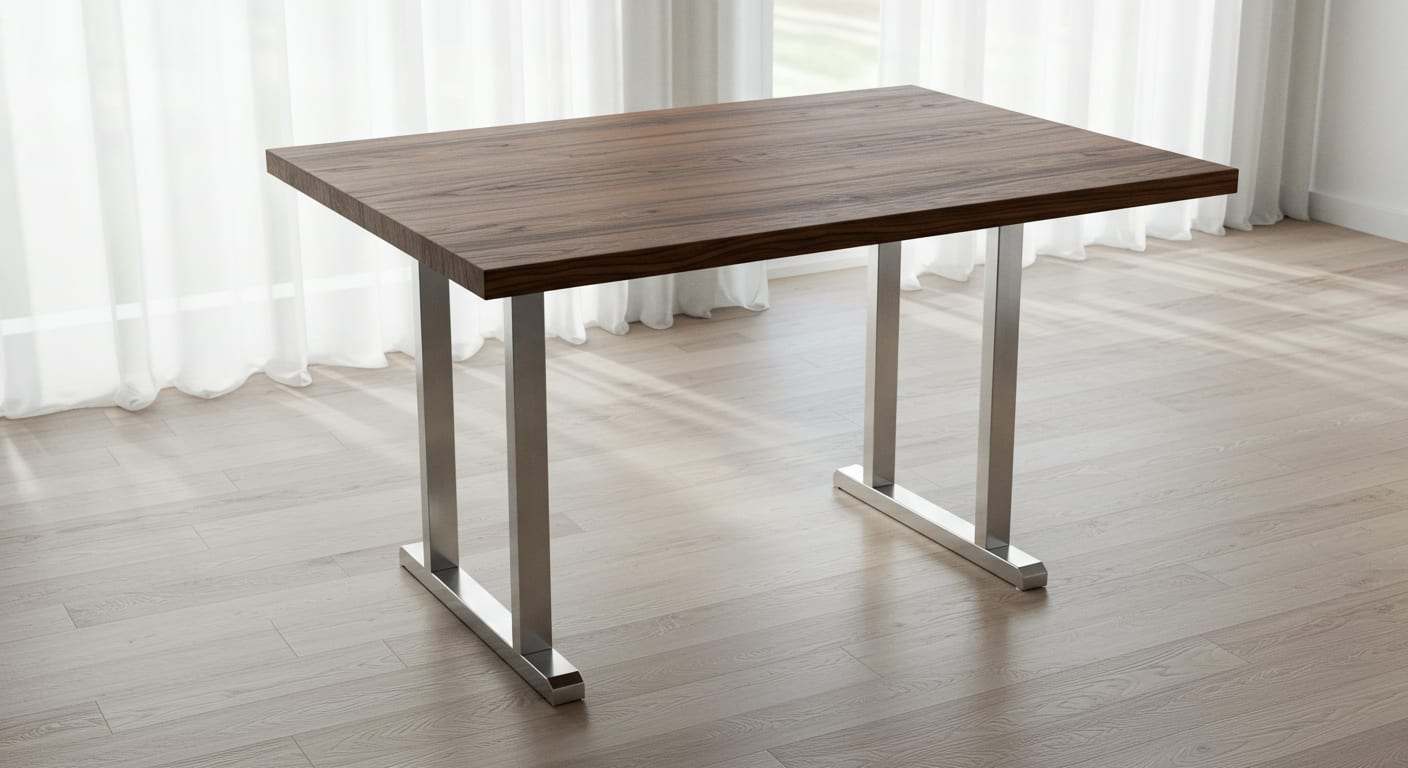
Restaurant 2-Seater Dining Table
Dining Area › Dining Tables
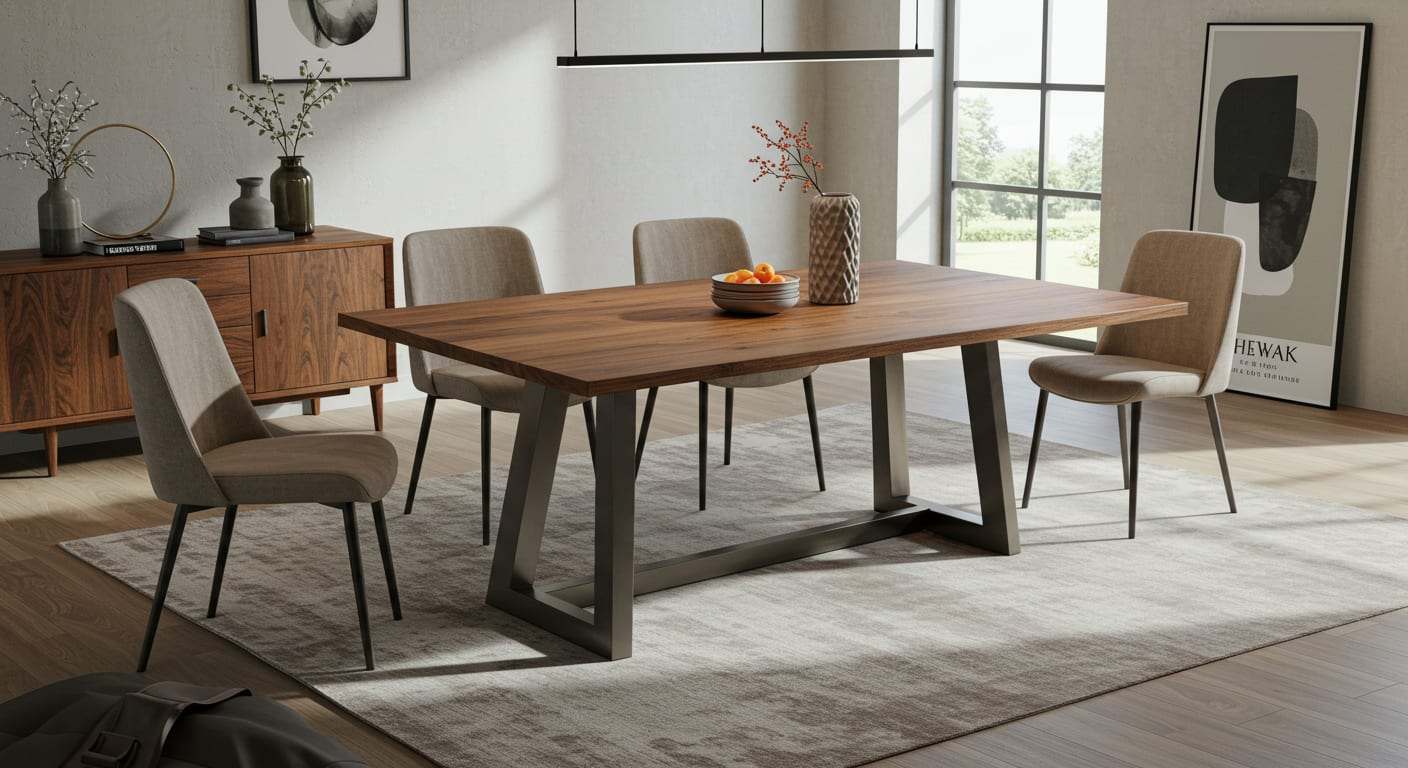
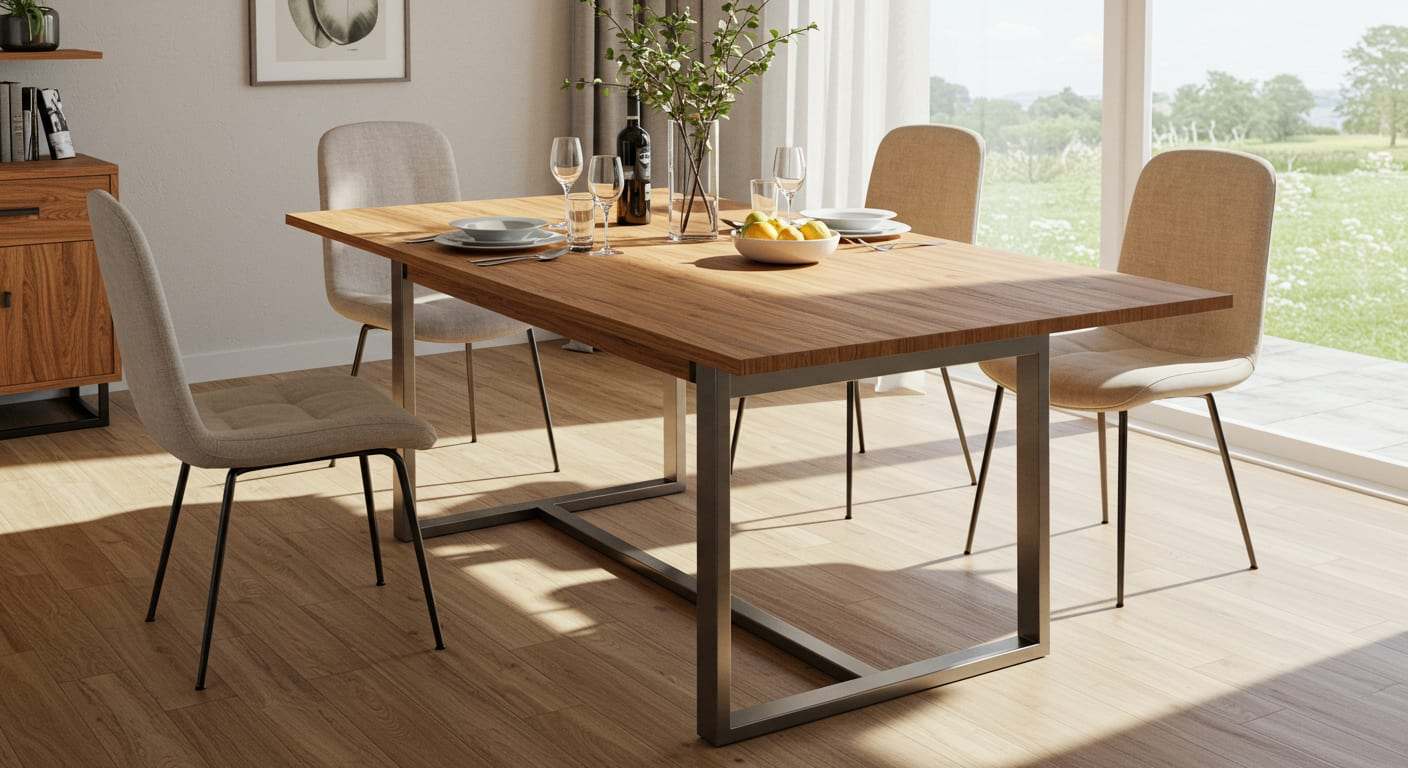
Restaurant 4-Seater Dining Table
Dining Area › Dining Tables
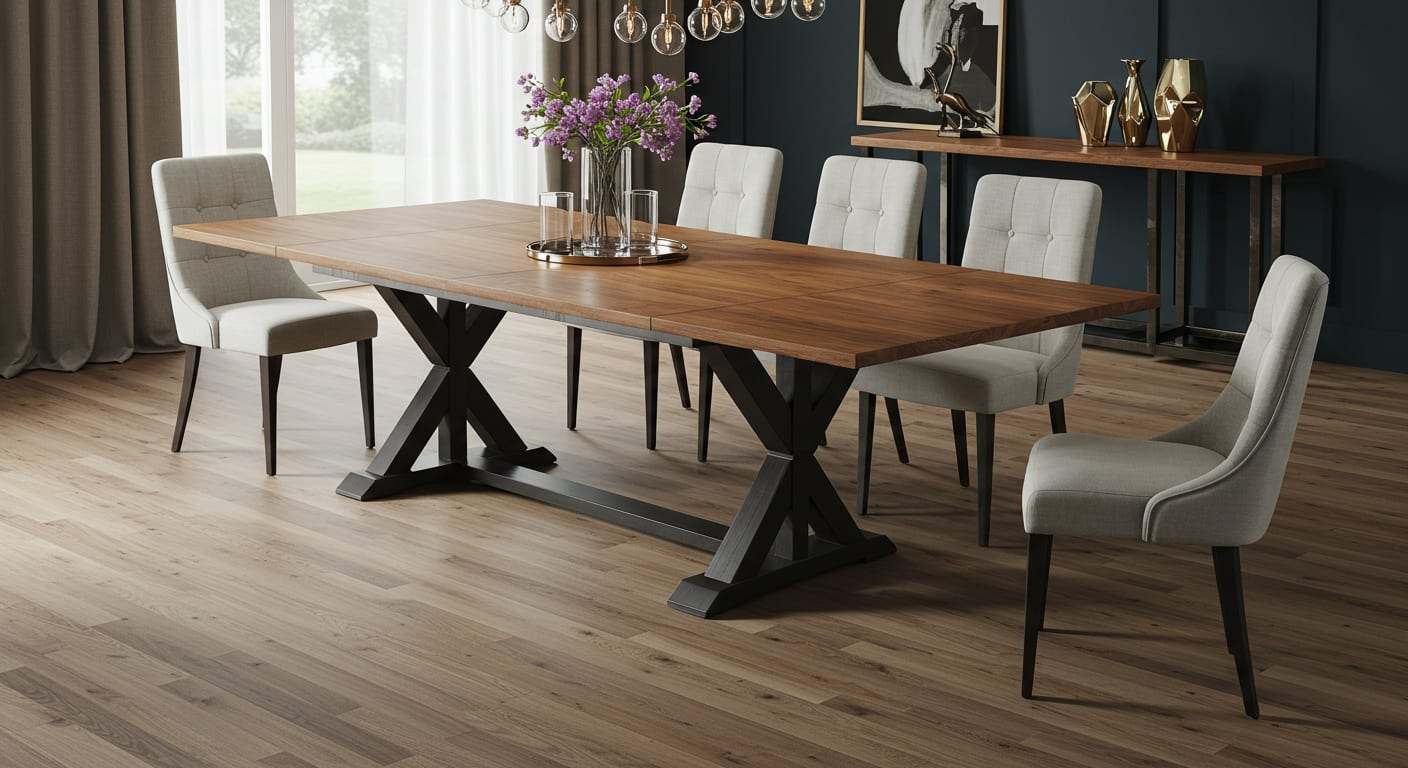
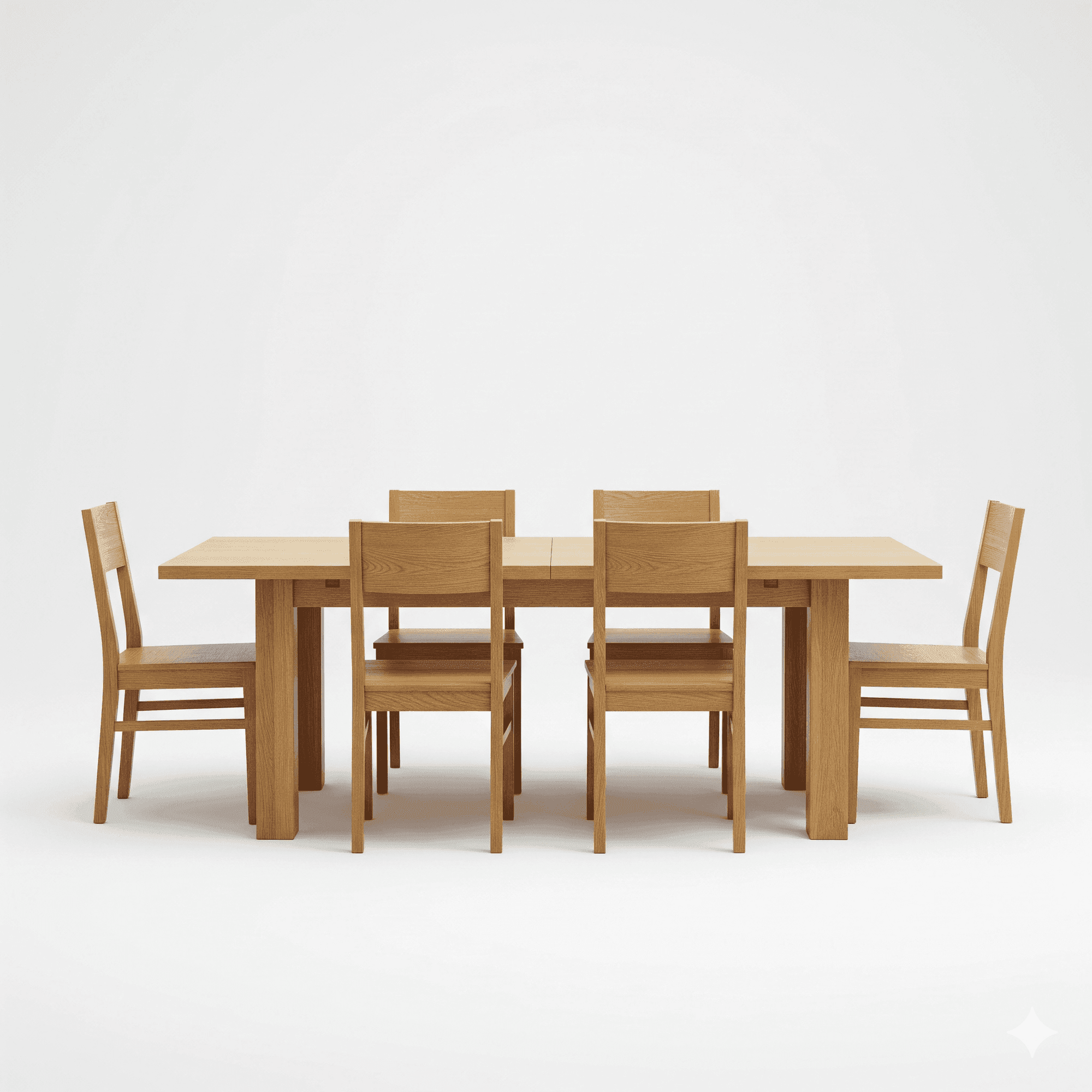
Restaurant 6-Seater Dining Table
Dining Area › Dining Tables
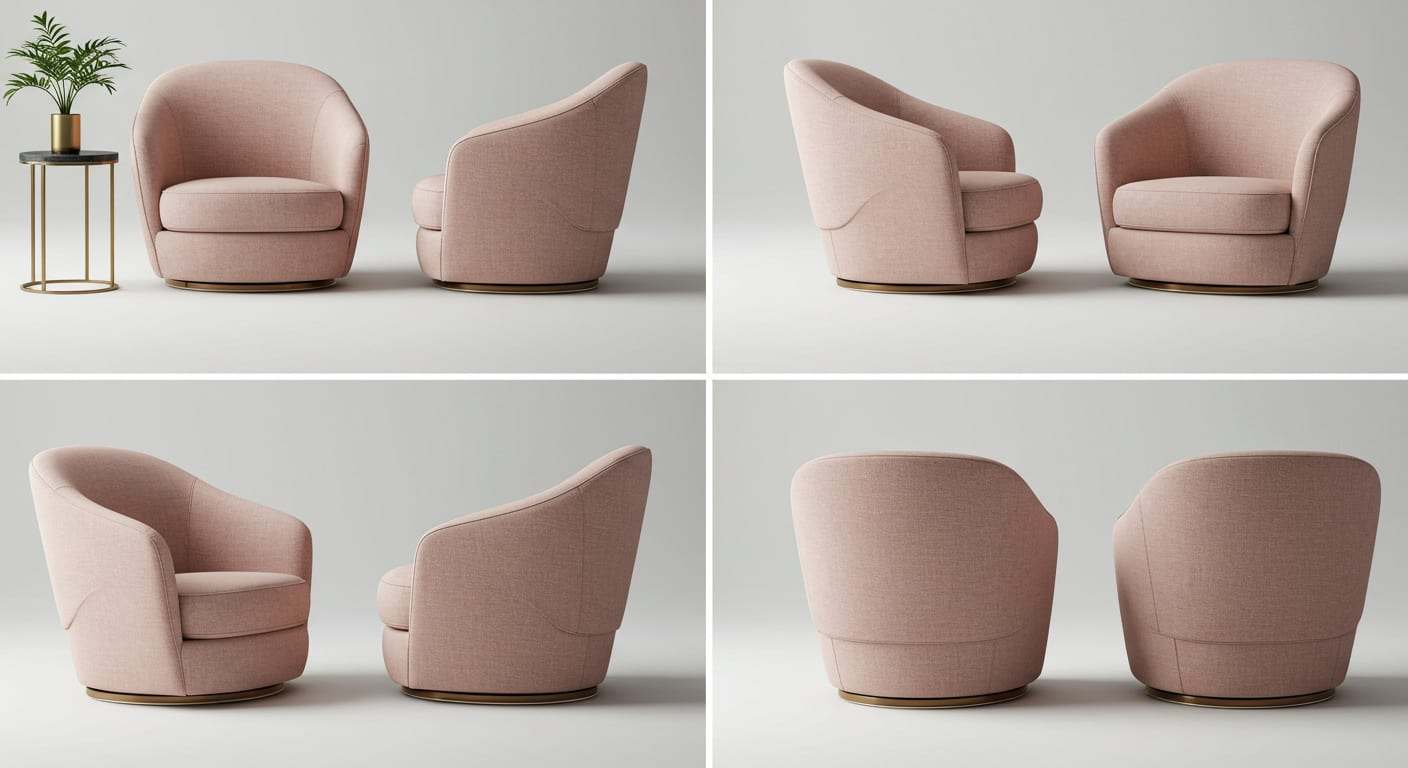
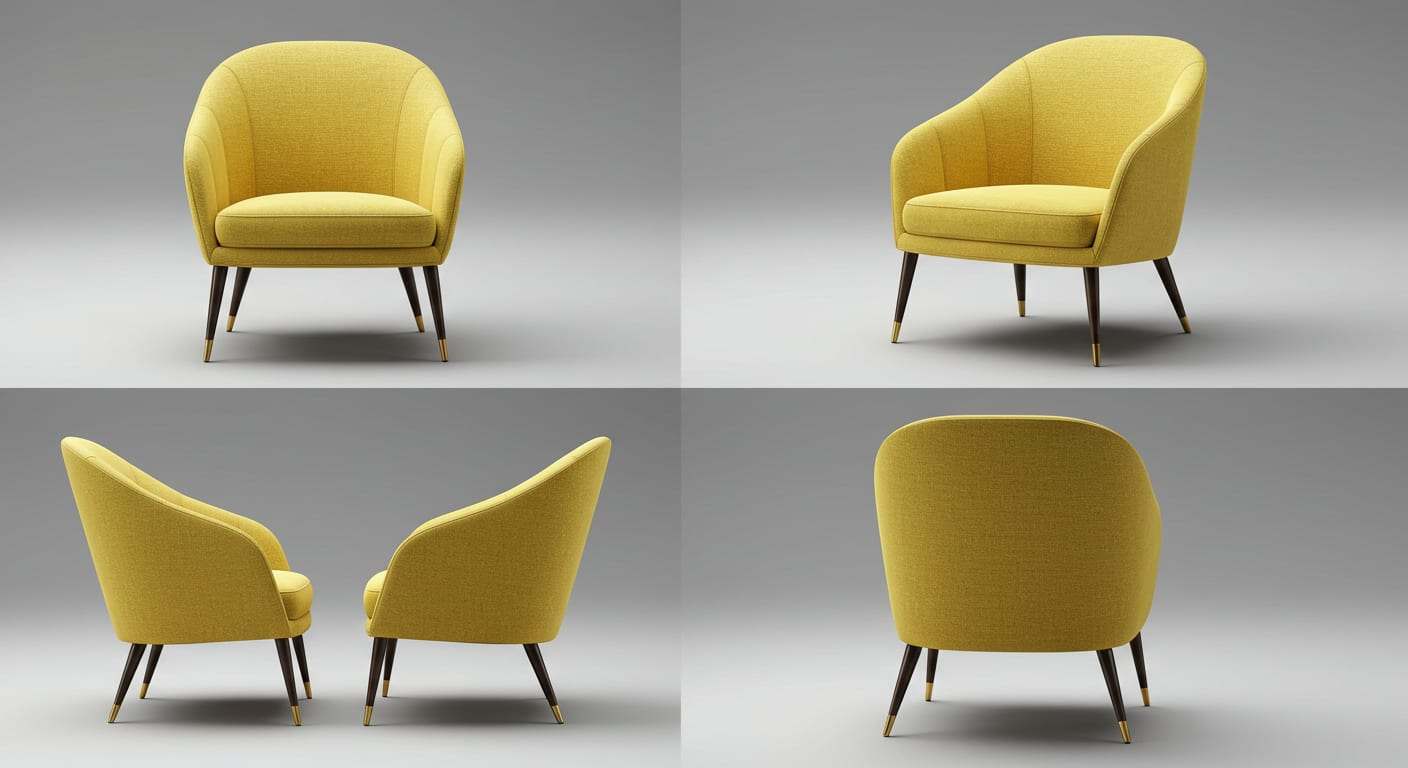
Restaurant Upholstered Chair
Dining Area › Dining Chairs
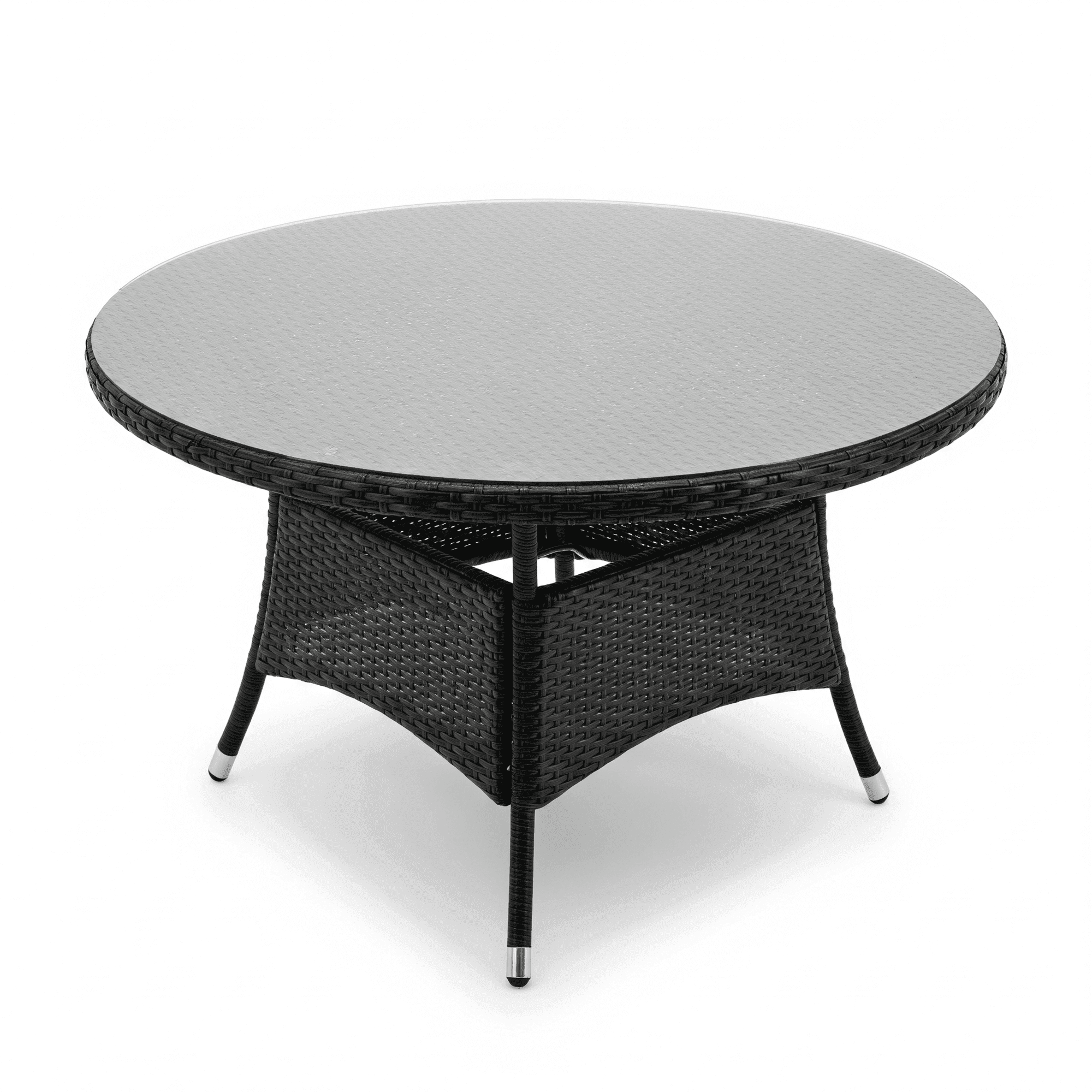
Round Patio Table
Outdoor Seating › Patio Tables
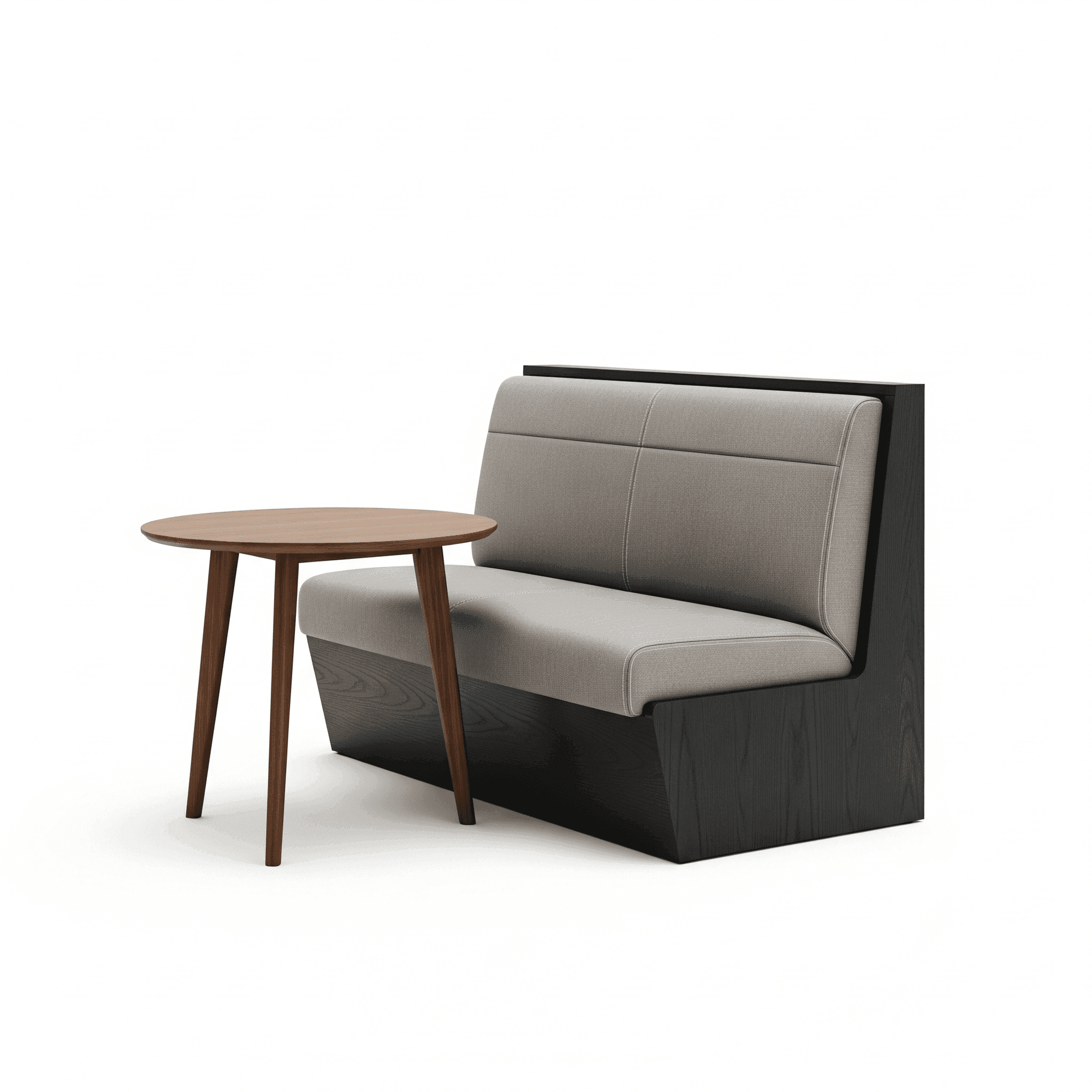
Single Booth
Dining Area › Booths
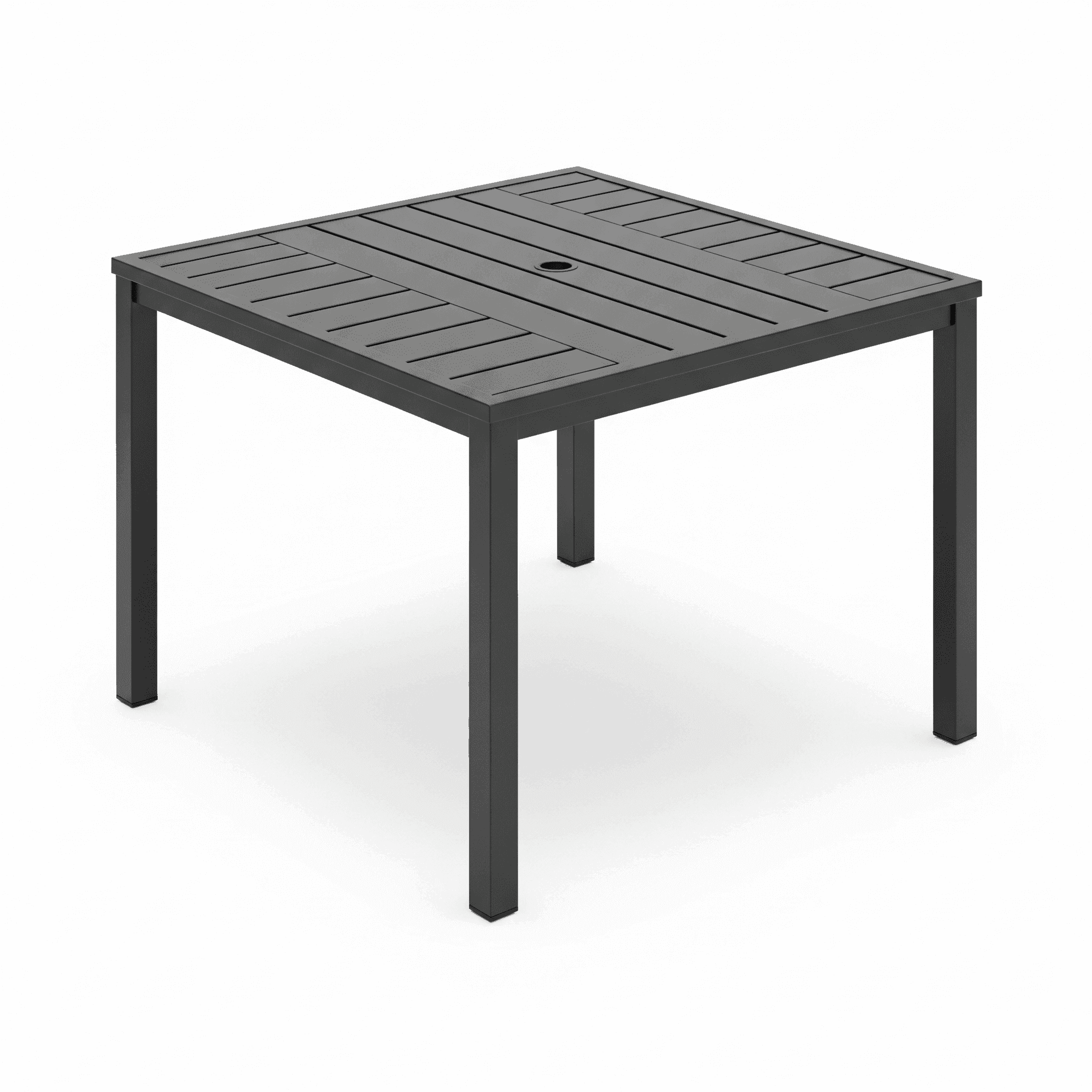
Square Patio Table
Outdoor Seating › Patio Tables
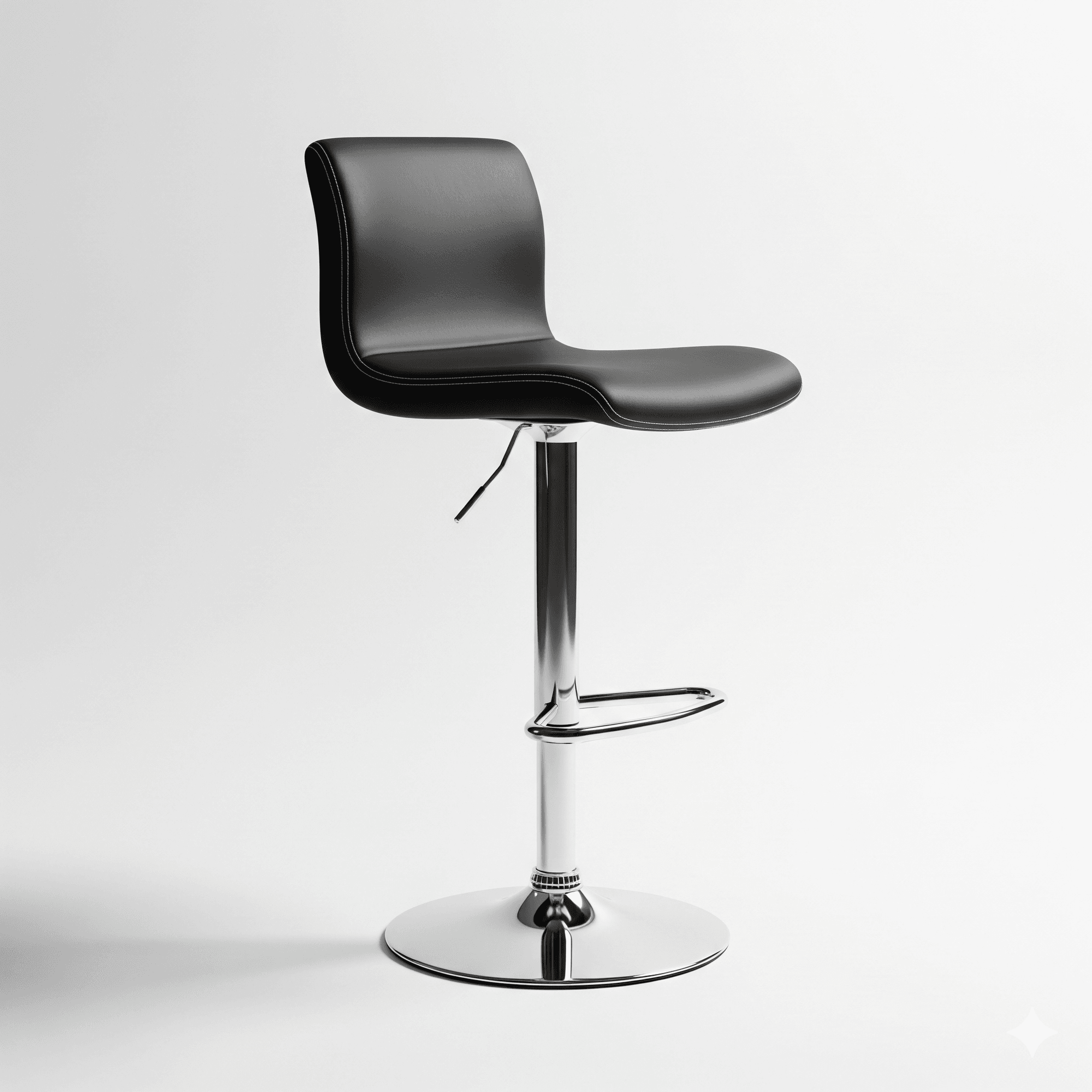
Swivel Bar Stool
Dining Area › Bar Stools
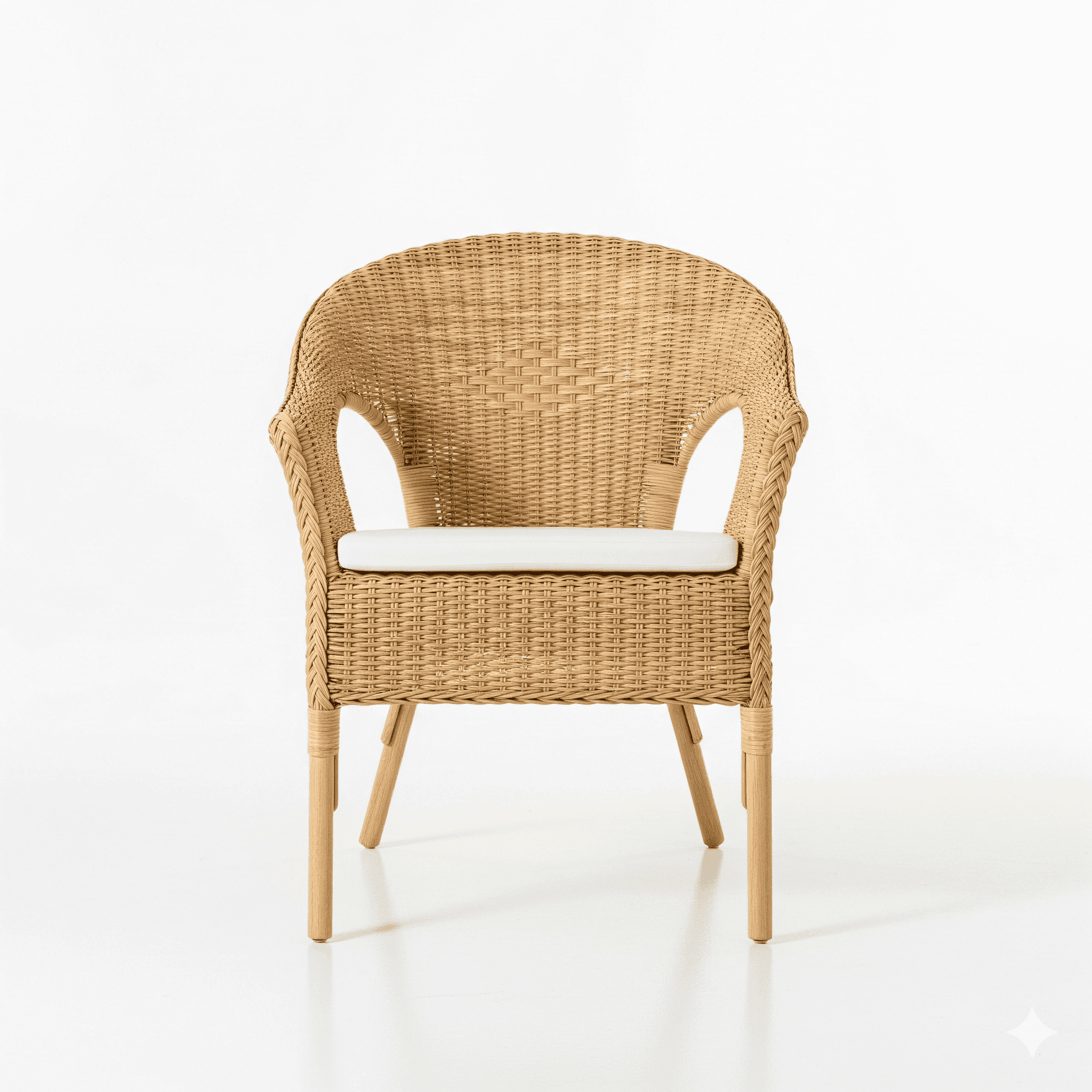
Wicker Chair
Outdoor Seating › Outdoor Chairs
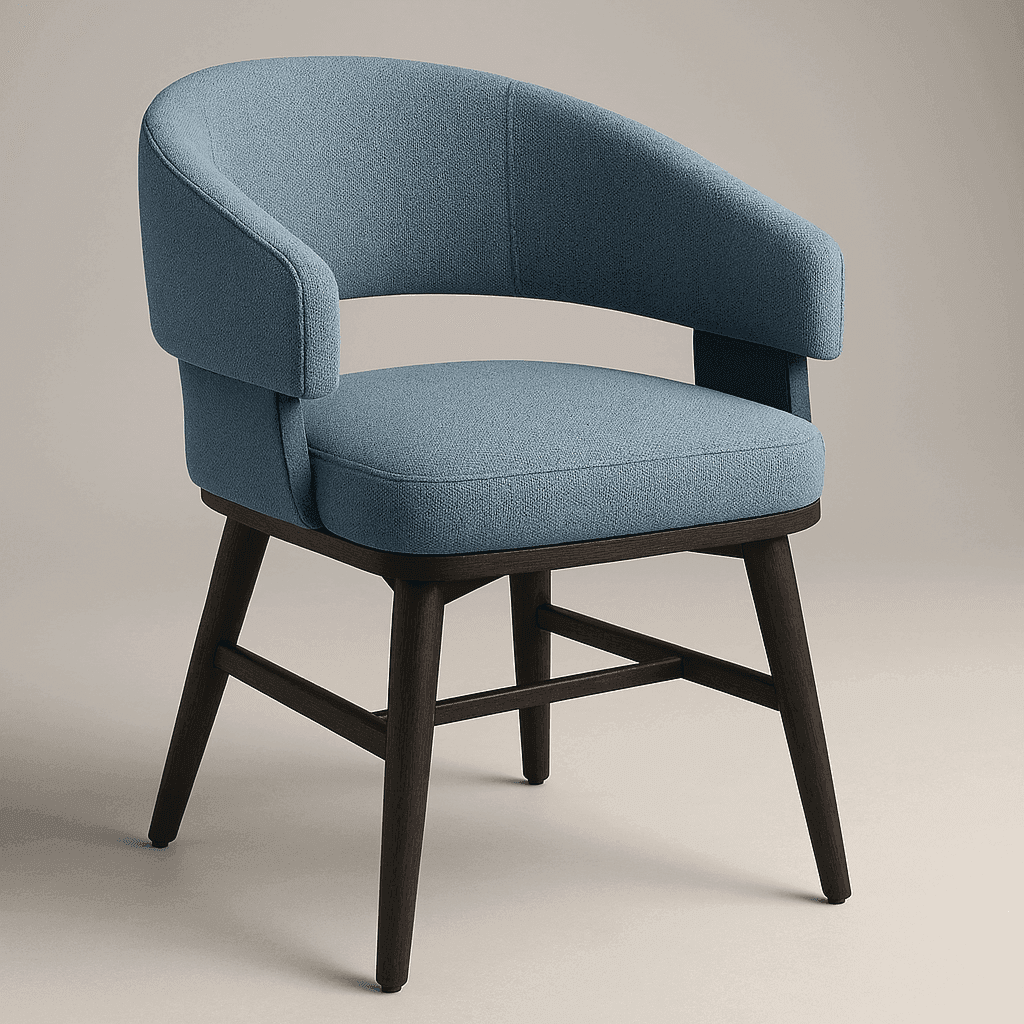
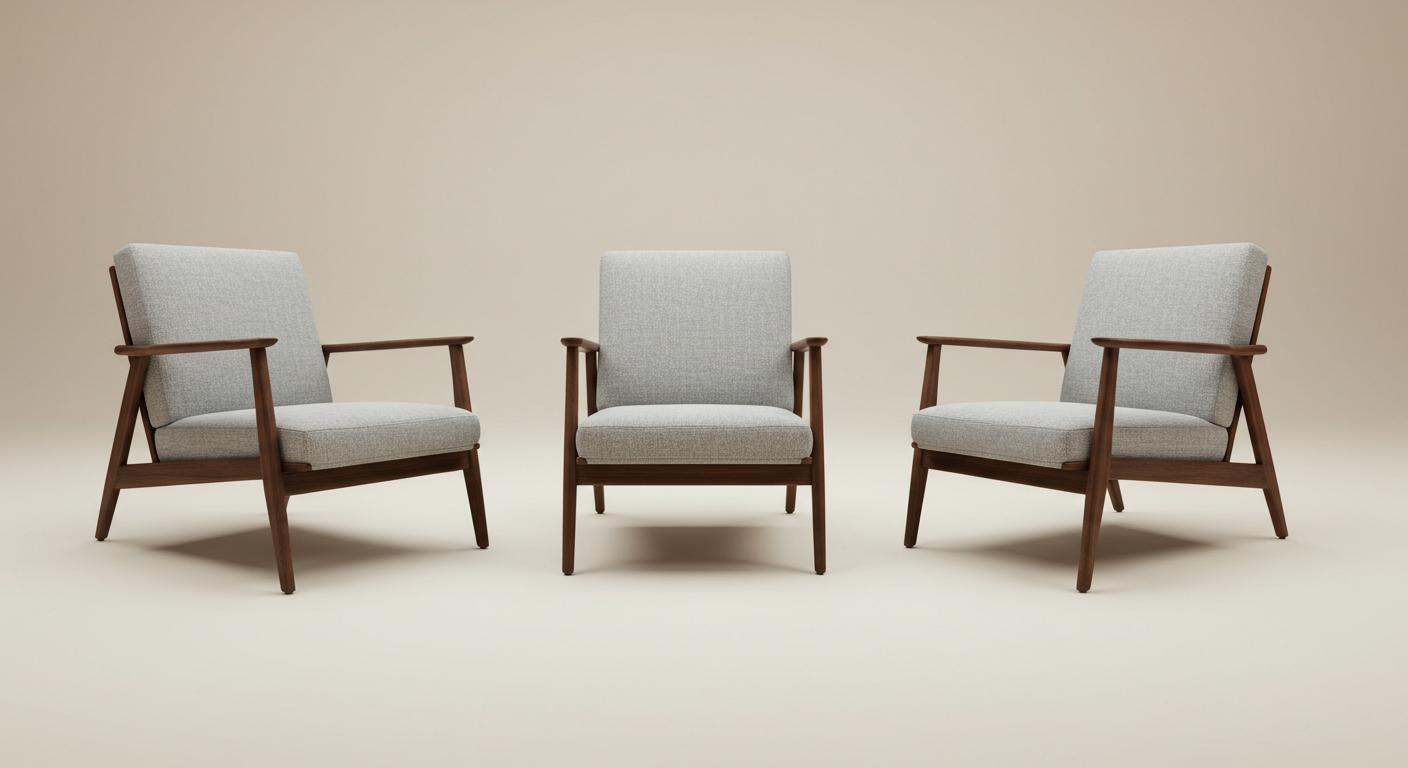
Wooden Chair
Dining Area › Dining Chairs
Need help selecting the right products?
Our FF&E project management team can guide your selection from specification through delivery.
Buying Guide
Specifying Restaurants & Cafés Furniture
- Confirm flammability compliance before ordering
Upholstered restaurant seating in most jurisdictions must meet fire safety standards for foam and face fabrics in public assembly spaces. Request flammability documentation from your manufacturer, not just verbal confirmation, and keep certificates in the project closeout binder.
- Match upholstery to the cleaning protocol
Commercial-grade vinyl and polyurethane coated fabrics handle red wine, grease, and bleach wipe-downs far better than natural textiles. Specify the cleaning code with your upholstery supplier and verify it survives the chemicals your operator actually uses.
- Size banquettes to the operator's covers target
Banquette seat depth, height, and back angle directly affect how many covers a restaurant can turn per hour. Coordinate dimensions with the operator and interior designer early, because changes after frame fabrication are expensive and schedule-impacting.
- Specify outdoor pieces for true outdoor conditions
Patio and sidewalk furniture must resist UV, freeze-thaw cycles, and standing water. Powder-coated aluminum, marine-grade plywood, and outdoor-rated Sunbrella-class fabrics are required; indoor frames used outside will corrode and delaminate within a single season.
- Plan replacement stock from day one
Front-of-house chairs and stools are consumables in high-volume restaurants. Order spare stock at the time of the initial run so replacements match in finish and dye lot, and so the operator is not scrambling mid-lease for obsolete pieces.
Materials & Construction
What We Build It From
Restaurant seating frames are typically solid European beech, oak, or ash for wood chairs, and welded powder-coated steel or aluminum for metal frames. Booth and banquette frames use kiln-dried hardwood with mortise-and-tenon or corner-block construction. Foam is commercial-grade high-density polyurethane, and face fabrics are selected for public assembly durability. Vinyl and polyurethane coated fabrics dominate booth applications because they withstand grease, wine, and bleach-based cleaners. Outdoor pieces require marine-grade substrates, stainless fasteners, and UV-stable finishes.
Frequently Asked
Questions About Restaurants & Cafés Furniture
Do you build custom banquettes to our floor plan?
Yes. We fabricate banquettes, booths, and upholstered bench seating from measured drawings or architect-supplied CAD, including curved runs, divider walls, and integrated power. Seat heights, depths, and back angles are specified with the operator and designer before shop drawings are released.
What upholstery holds up best in high-volume restaurants?
Coated fabrics such as polyurethane, vinyl, and performance textiles perform best because they clean with standard restaurant sanitizers without staining or wicking. Natural fibers and uncoated wovens look premium but rarely survive the cleaning chemistry used in operating kitchens and dining rooms.
Can the same chair be used indoors and outdoors?
Generally no. Indoor chairs use finishes and adhesives that fail under UV and moisture exposure. If a concept needs a consistent look inside and on a patio, we build two versions of the same silhouette using indoor and outdoor-rated substrates, fasteners, and finishes.
Browse restaurants & cafés furniture by type
Browse all Restaurants & Cafés products A–Z
Every restaurants & cafés product, grouped by furniture type.