
Published · Updated · By DMD Furnishing Editorial Team
How to Value-Engineer Commercial Furniture Without Losing Quality
Value engineering commercial furniture means adjusting materials, construction, and specifications to cut cost while preserving the guest facing look, feel, and commercial-grade durability of every piece.
Value engineering in commercial furniture means systematically reviewing material choices, construction methods, and specifications to reduce cost while preserving the performance, safety, and aesthetic standards the project demands. Done correctly, it is not a cut in quality. It is a smarter allocation of budget toward the features that matter most.
What Value Engineering Means in a Furniture Context
In construction and interior fit-out, value engineering (VE) is a structured review of every line item on a bill of quantities (BOQ). For furniture, that means asking: does this specification deliver the required performance at the most efficient cost? The practice is a standard discipline within architectural project management, as documented by organizations like the AIA (American Institute of Architects). The answer often reveals legitimate savings through material substitution, construction simplification, or specification consolidation, without touching structural integrity, code compliance, or brand standards.
VE is most effective when introduced early, ideally at the design development stage rather than after shop drawings have been issued. The later a VE review enters a project, the fewer options remain without disrupting lead times or re-approving submittals. To see where that window falls in a typical project schedule, review our FF&E procurement timeline. And for the manufacturing standards and processes behind every specification decision, our commercial furniture manufacturing guide covers the full picture.
Material Substitution: Where Most Savings Are Found
Surface material is the single largest driver of furniture cost after labor. Understanding the trade-offs between HPL, veneer, and solid wood allows procurement teams to make informed substitutions that the end user may never notice in day-to-day use. Our HPL vs veneer vs solid wood comparison breaks down each material in detail.
HPL (High-Pressure Laminate) as a Base Specification
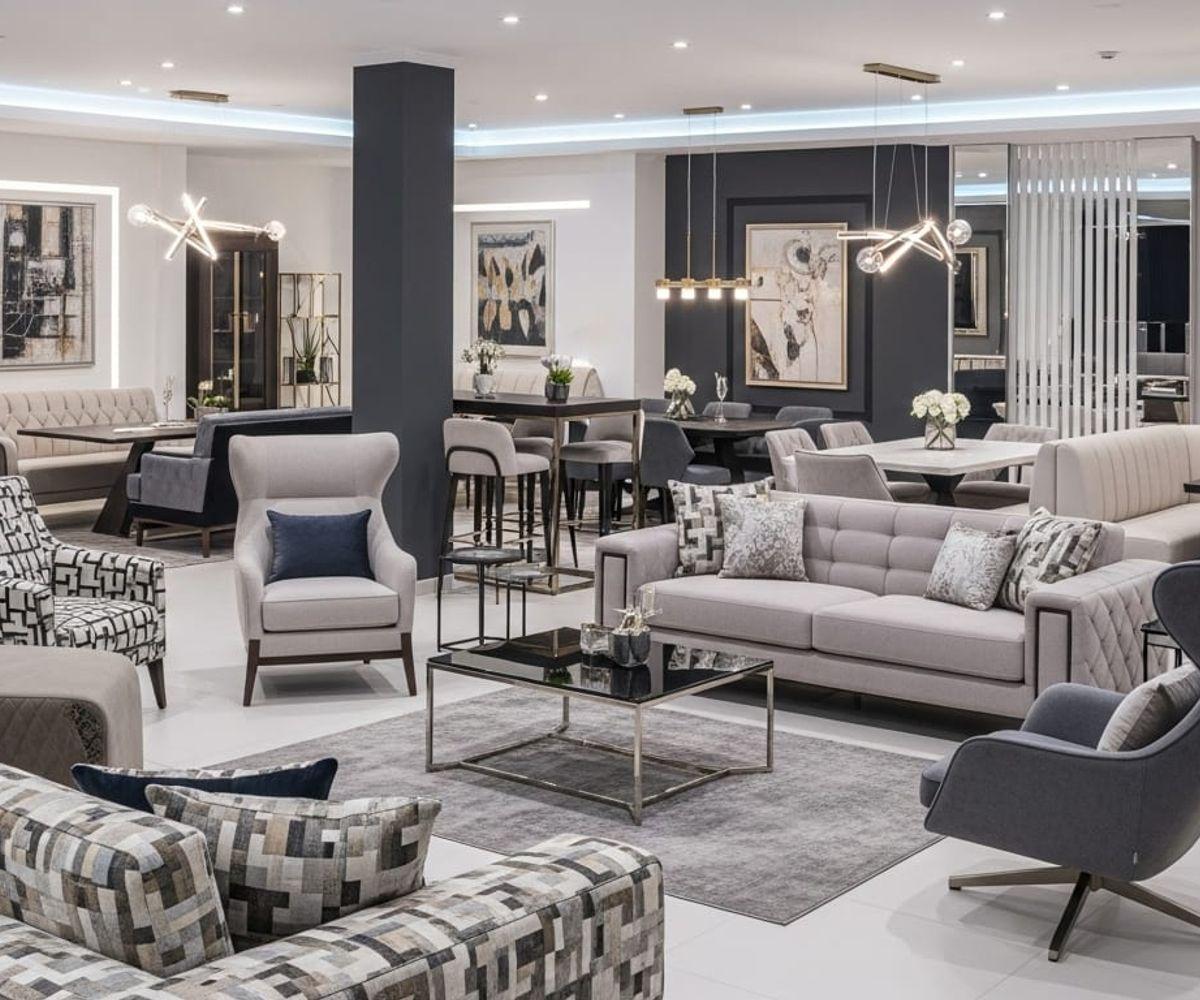
HPL over an MDF carcass is the workhorse of commercial furniture. It resists scratches, moisture, and cleaning chemicals better than either veneer or solid wood in high-traffic environments. For surfaces that see sustained daily use (desk tops, night stand tops, TV media panels) HPL is often the most rational specification regardless of budget. Specifying HPL where veneer was originally called out can reduce surface costs meaningfully while improving durability.
Veneer: Where Aesthetic Return Justifies the Premium
Wood veneer delivers a natural grain appearance that HPL cannot fully replicate. In guest-facing areas of upscale properties (headboard feature panels, lobby credenzas, executive desk faces) veneer provides a visible quality signal that guests register. A targeted VE approach preserves veneer where it is seen and substitutes HPL where it is not: the inside of drawers, the back of casegoods, secondary surfaces.
Solid Wood: Use Purposefully, Not Pervasively
Solid wood is appropriate for structural legs, decorative elements, and pieces where heft and tactile quality justify the cost. Using solid wood throughout a full casegood run is rarely the optimal specification. A mixed construction (MDF carcass with solid wood legs and edge details) delivers the aesthetic of solid wood at a fraction of the material cost.
Construction Method Optimization
Beyond surface materials, the internal construction of a piece determines both its cost and its longevity.
MDF Carcass with Laminate Wrap
An MDF carcass with edge-banded laminate surfaces is dimensionally stable, resistant to racking, and consistent in density, which matters for hinge and drawer slide performance. It is also predictable to manufacture at scale, which reduces lead times and defect rates on large hotel or multi-unit residential orders. For most casegoods (night stands, dressers, TV media panels) this is the standard commercial specification for good reason.
Reducing Joinery Complexity
Decorative joinery details that are invisible once installed add cost without adding guest-perceived value. Reviewing shop drawings for unnecessary joinery complexity is a straightforward VE step. Simplifying internal drawer box construction, standardizing hardware across multiple SKUs, and reducing the number of unique part profiles all lower both manufacturing and assembly cost.
Finish and Hardware Considerations
Hardware is a frequently overlooked VE opportunity. Brass and brushed gold hardware carry significant premiums over powder-coated steel. In back-of-house or secondary-use furniture, substituting powder-coated steel pulls and hinges for decorative brass can generate savings with no visible impact in the spaces guests occupy. Where decorative hardware is specified in guest-facing pieces, consider consolidating to fewer hardware profiles rather than specifying bespoke pulls for each furniture type.
Finish color rationalization also matters on large orders. Every unique finish requires a separate setup, minimum order quantity, and quality control step. Reducing the palette to a core set of standard finishes, and using color-matched edge banding rather than unique moldings, reduces cost and shortens lead time.
Specification Optimization: Customizable Dimensions Reduce Waste
Standard catalog dimensions are designed around manufacturing efficiency. When a project calls for non-standard dimensions, material yield drops and offcuts increase. One practical VE step is to review whether custom dimensions are genuinely required by the space or are carryovers from a previous project specification. Adjusting dimensions by small increments to align with standard sheet goods or substrate sizes can reduce material waste and unit cost without any visible impact on the finished installation.
Specification tip: Color-match availability on edge banding and laminate surfaces allows procurement teams to maintain a consistent visual palette while using cost-efficient base materials, a standard capability in commercial furniture manufacturing.
Value engineering is a structured review that matches specification to actual performance requirements, eliminating cost where it does not add function or perceived value. Done correctly, it is not a cut in quality. It is a smarter allocation of budget toward the features that matter most.
Bring manufacturers into the VE process at design development, not after shop drawings are issued. Manufacturers can identify substitutions invisible to the end user, flag which custom details drive disproportionate cost, and propose standard alternatives from existing production capabilities.
When Not to Cut Corners
Value engineering has hard limits. Three areas should be treated as non-negotiable regardless of budget pressure:
- Structural integrity: Load-bearing joints, drawer slide ratings, and fastener specifications exist to meet safety standards and warranty requirements. Substituting lower-rated components to save on a BOQ line item creates long-term liability and replacement costs that far exceed the initial saving.
- Fire safety compliance: Commercial furniture for hospitality and multi-unit residential must meet applicable fire codes, typically CAL 133 in California and NFPA standards elsewhere. Foam grades, fabric treatments, and carcass materials all feed into compliance. VE proposals that substitute specified fire-rated components must be re-tested or re-certified before acceptance.
- ADA compliance: Furniture height, knee clearance, and reach range requirements in accessible spaces are governed by ADA standards. Changing dimensions in accessible rooms to hit a cost target can create compliance deficiencies that require costly remediation after installation.
Working with Manufacturers on Value Engineering
The most effective VE happens in direct collaboration with the manufacturer before production begins. Manufacturers can identify substitutions that are invisible to the end user, flag which custom details drive disproportionate cost, and propose standard alternatives from their existing production capabilities. Bringing a manufacturer into the VE process at design development, rather than after the specification is fixed, produces better outcomes than unilateral cost-cutting by the procurement team.
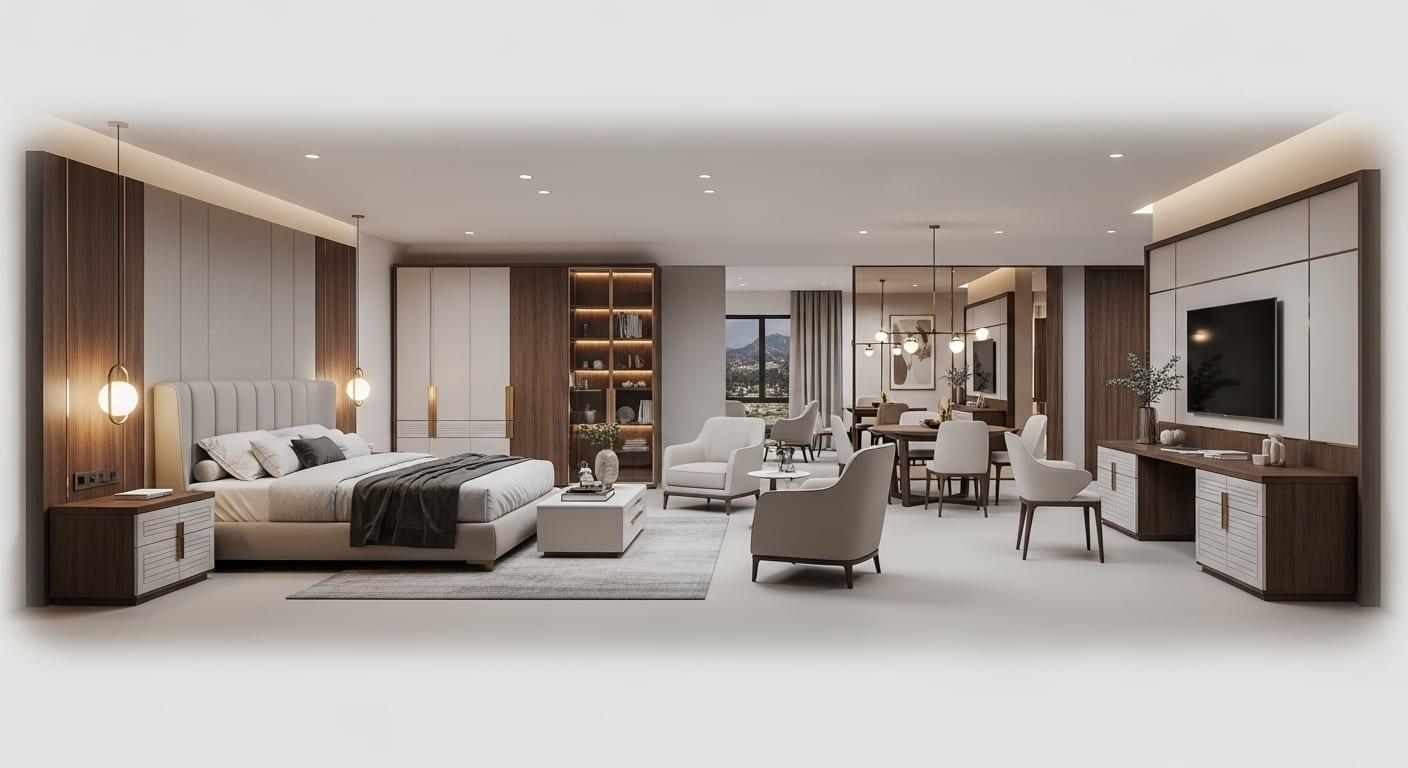
A structured BOQ review with the manufacturer typically covers: material grade and source, construction method, hardware specification, finish quantities, and packaging and logistics. Each line can be reviewed against the project's actual performance requirements, identifying where the original specification exceeds what the application demands.
Explore DMD Furnishing's commercial product range to understand what standard specifications are available, and where customization adds genuine value.
Browse ProductsLearn about DMD Furnishing's services for hospitality and commercial fit-out projects, including custom specification support.
View ServicesFrequently Asked Questions
What is the difference between value engineering and cost-cutting in furniture?
Value engineering is a structured review that matches specification to actual performance requirements, eliminating cost where it does not add function or perceived value. Cost-cutting is indiscriminate reduction. Good VE maintains or improves long-term performance; poor cost-cutting creates durability, compliance, or replacement issues.
When in a project is value engineering most effective?
VE delivers the most options when introduced at design development, before shop drawings are issued. At that stage, material substitutions, construction changes, and dimension adjustments can be made without disrupting approvals or lead times. Post-production VE is usually limited to hardware or finish changes.
Can HPL replace veneer in hotel casegoods without guests noticing?
In many applications, yes. Modern HPL prints credibly replicate wood grain on horizontal surfaces and secondary panels. The substitution is most detectable on large vertical surfaces at close range. A targeted approach, preserving veneer on key visual planes and substituting HPL elsewhere, achieves most of the aesthetic at lower cost.
Does value engineering affect furniture warranties?
It depends on what is changed. Substituting materials with equivalent or higher performance ratings typically preserves warranty coverage. Replacing specified structural components with lower-rated alternatives may void manufacturer warranties. Any VE change to structural elements, hardware ratings, or fire compliance should be reviewed and confirmed in writing by the manufacturer before acceptance.