
Product Catalog
Healthcare Furniture Manufacturer
Hospital furniture collection
Product results
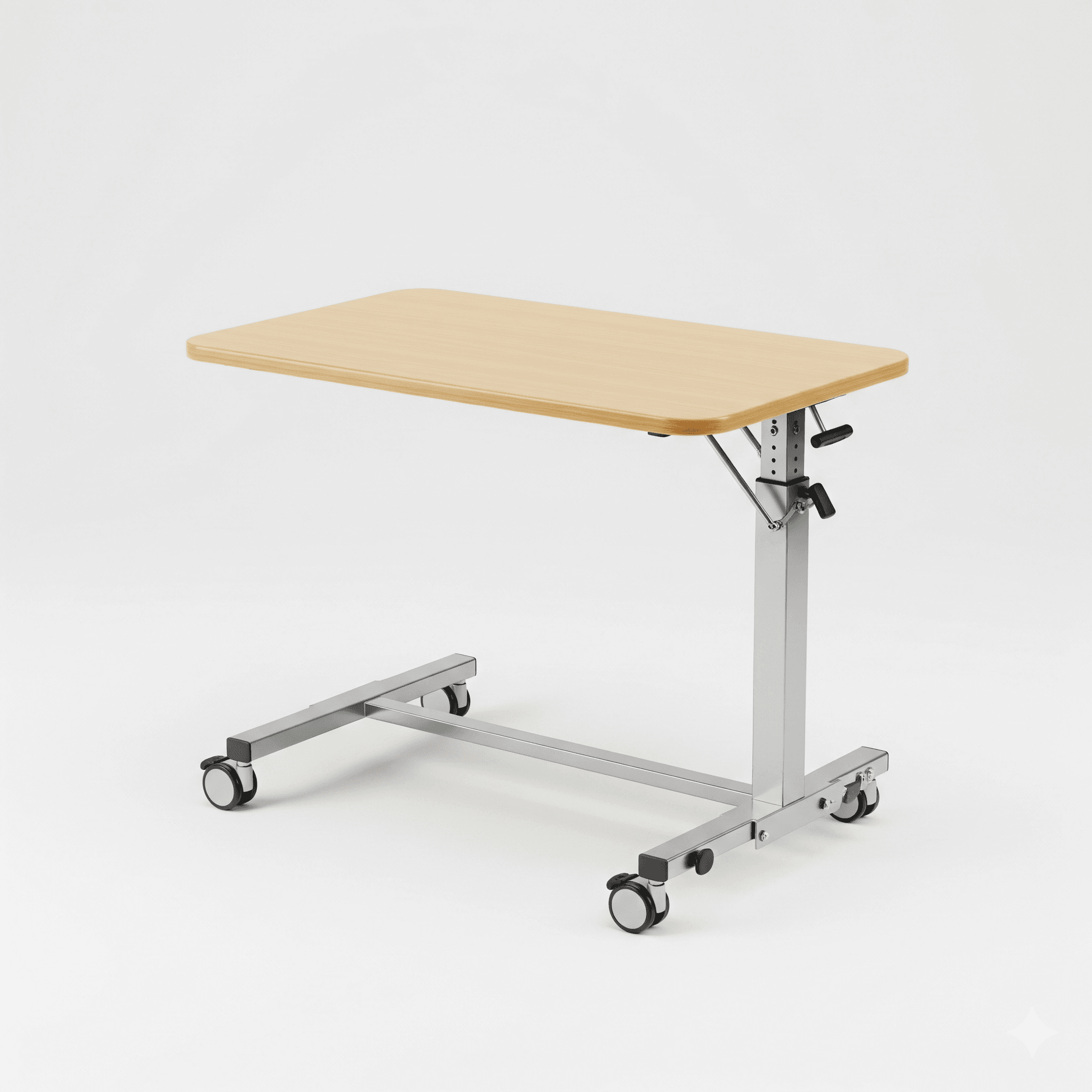
Adjustable Overbed Table
Patient Room › Overbed Table
.png&w=3840&q=62)
Compact Lounge Chair
Patient Room › Lounge Chair
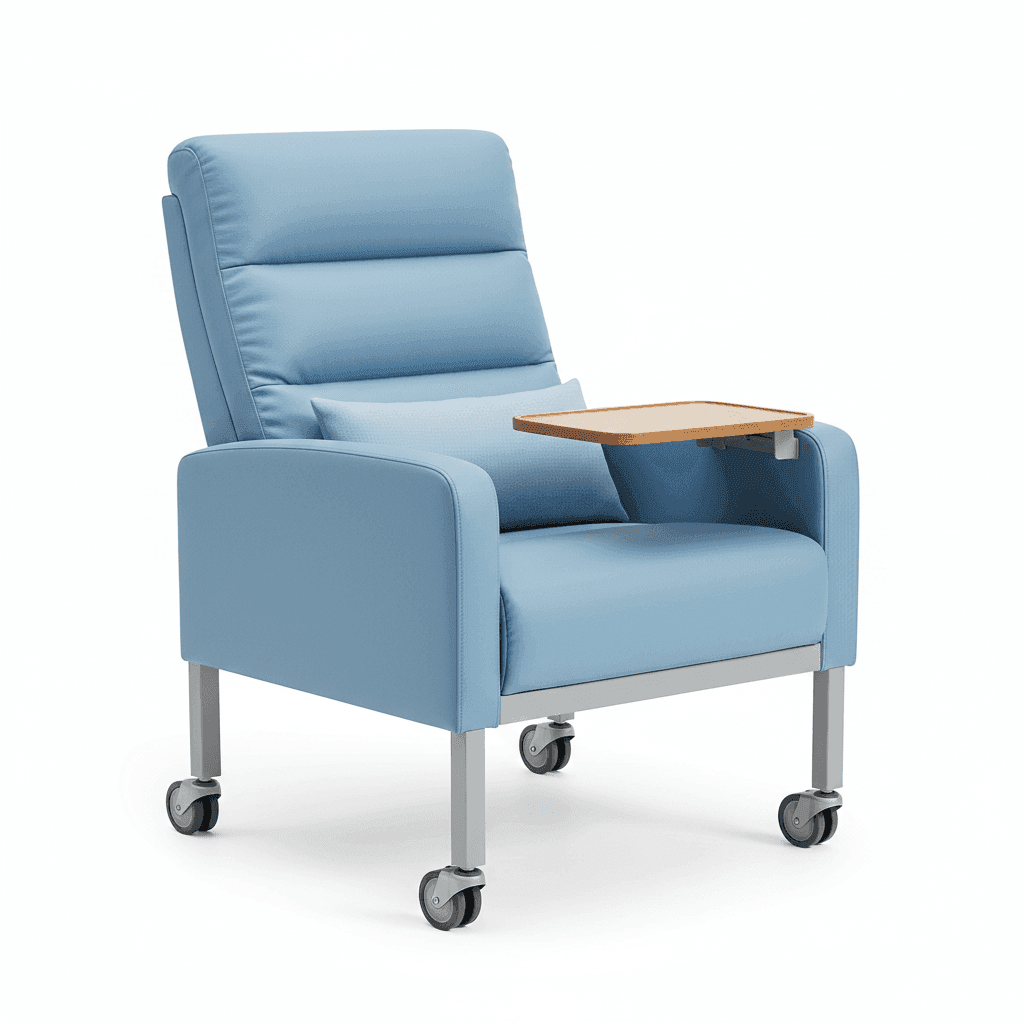
Contoured Lounge Chair
Patient Room › Lounge Chair
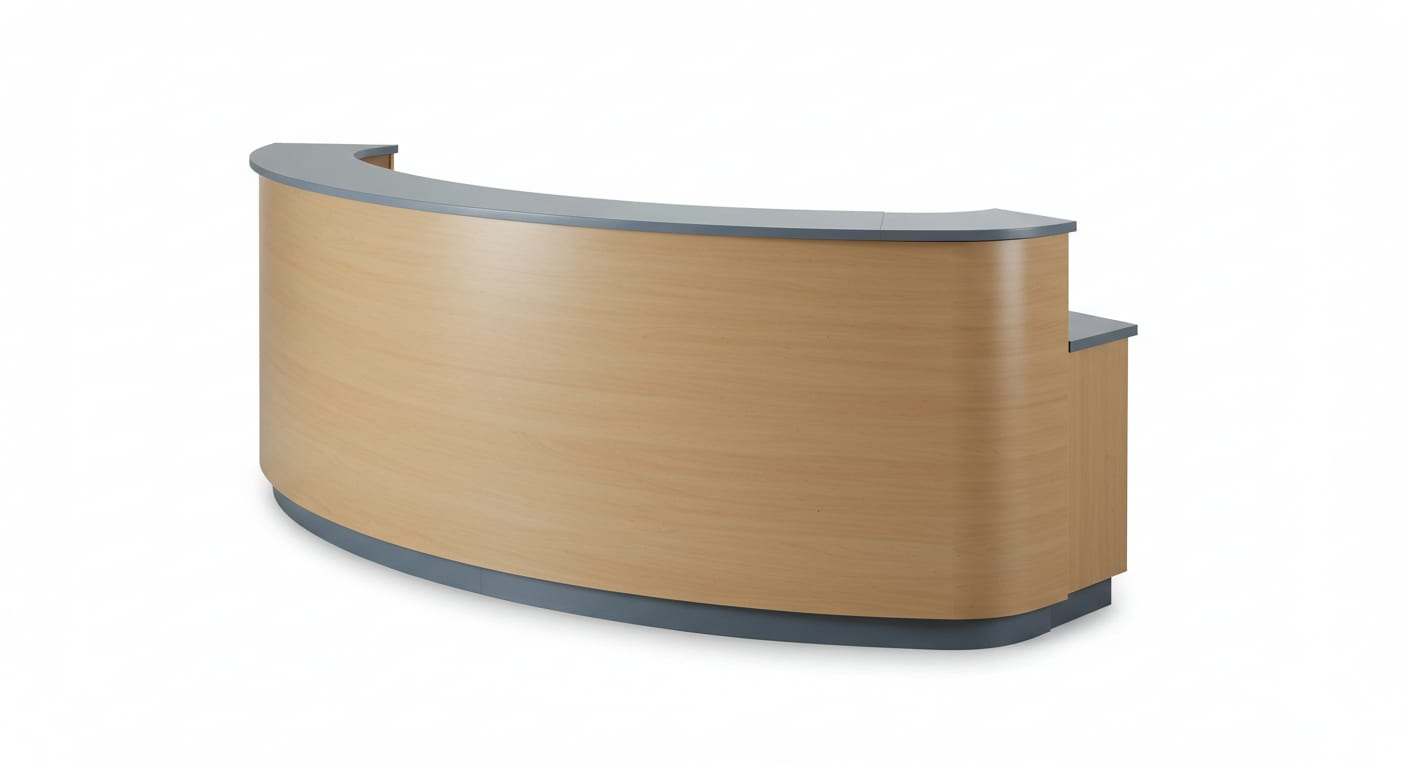
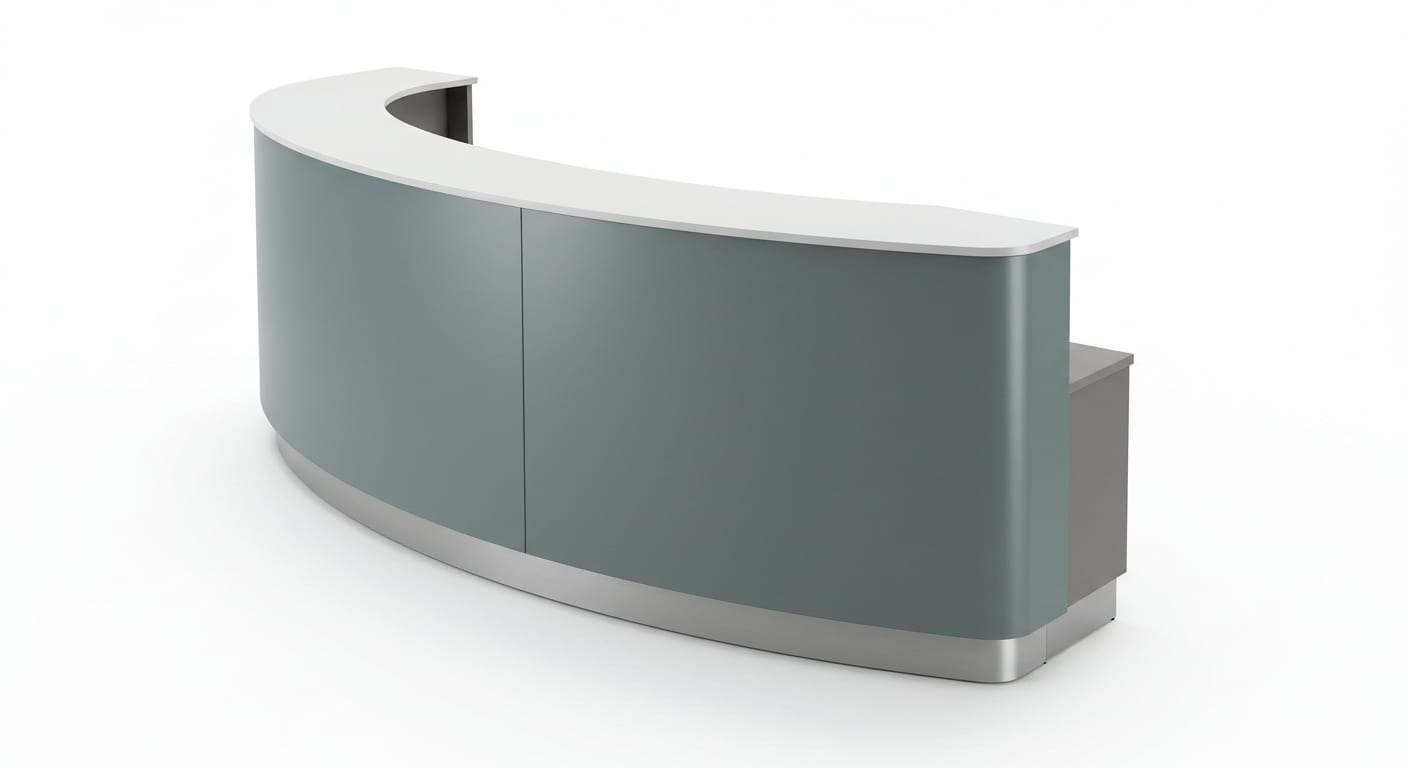
Curved Desk
Waiting Area › Reception Desk
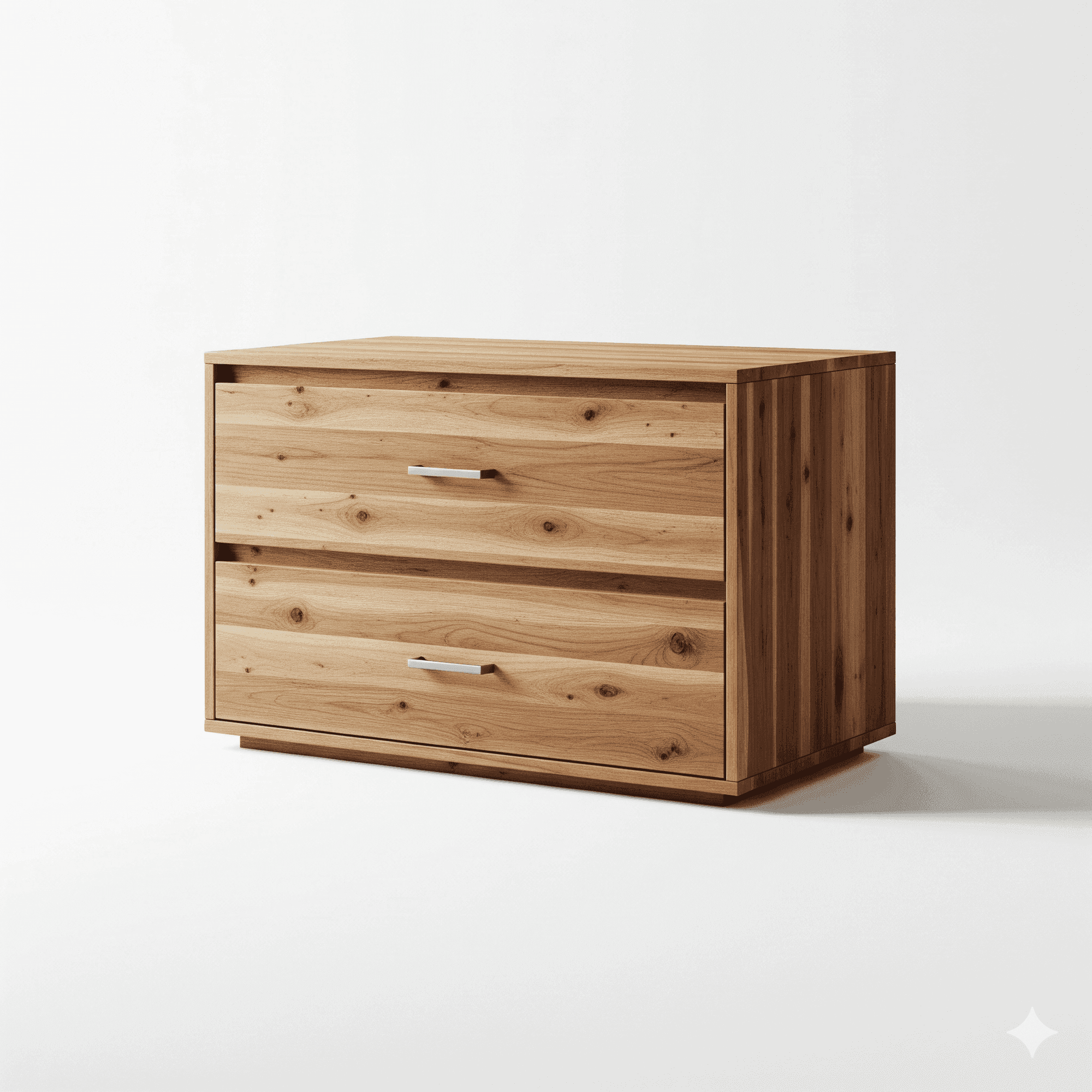
Double Drawer Cabinet
Patient Room › Bedside Cabinet
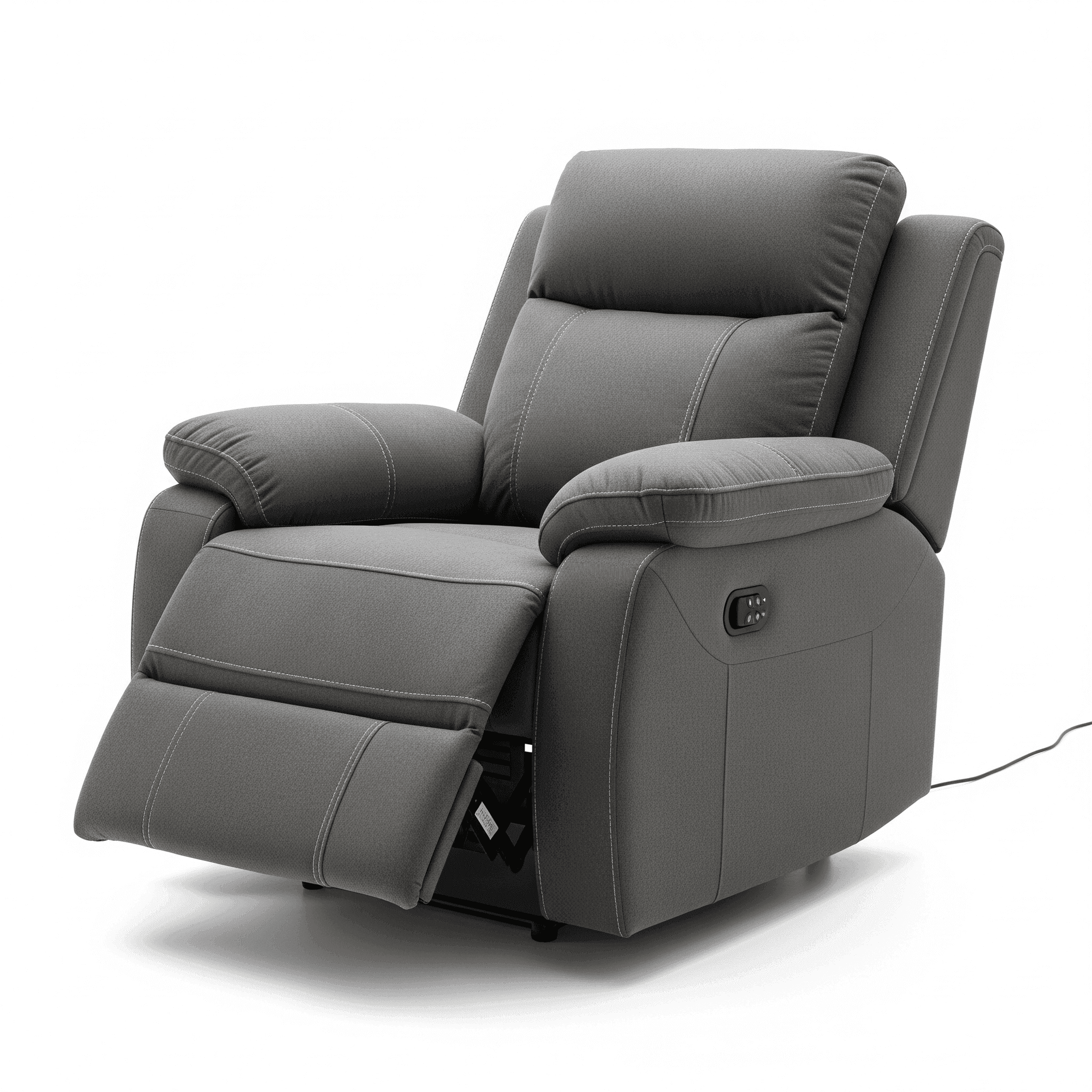
Electric Recliner
Patient Room › Recliner Chair
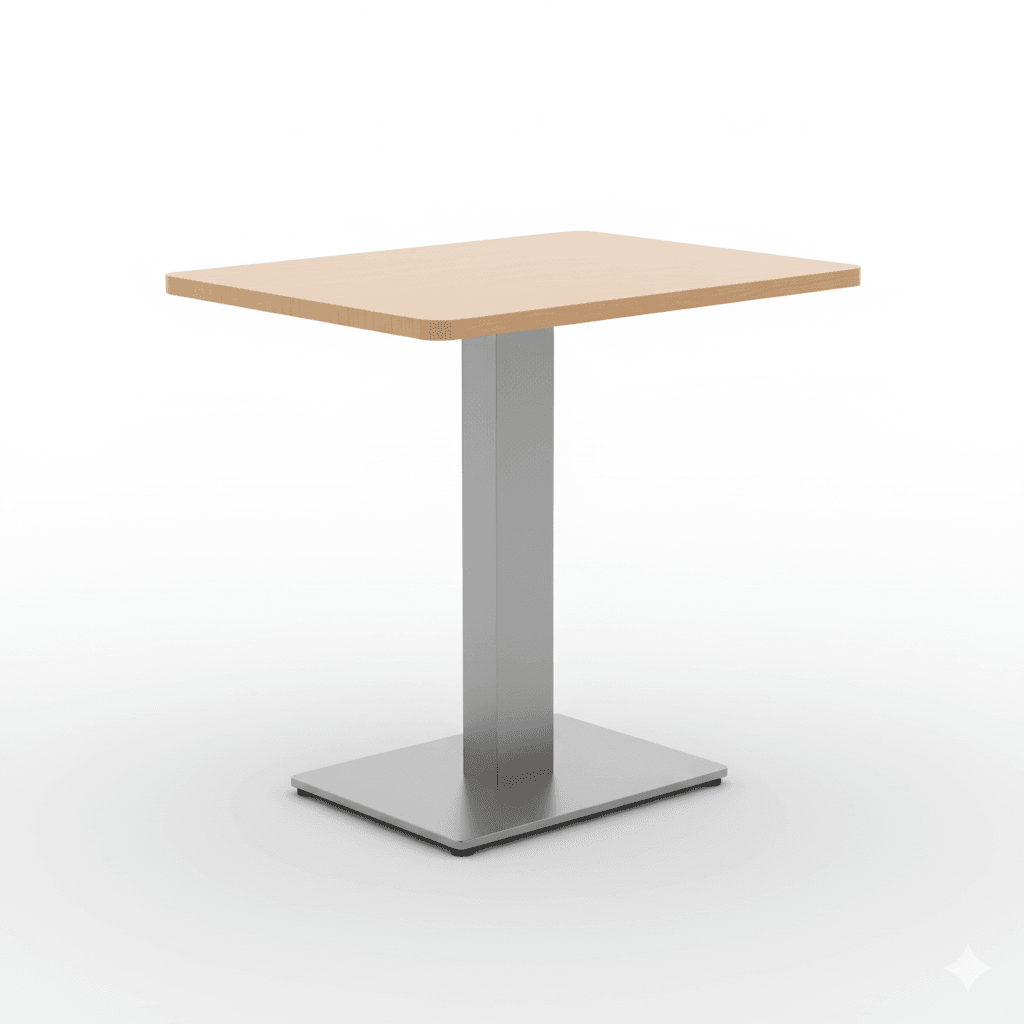
Fixed Overbed Table
Patient Room › Overbed Table
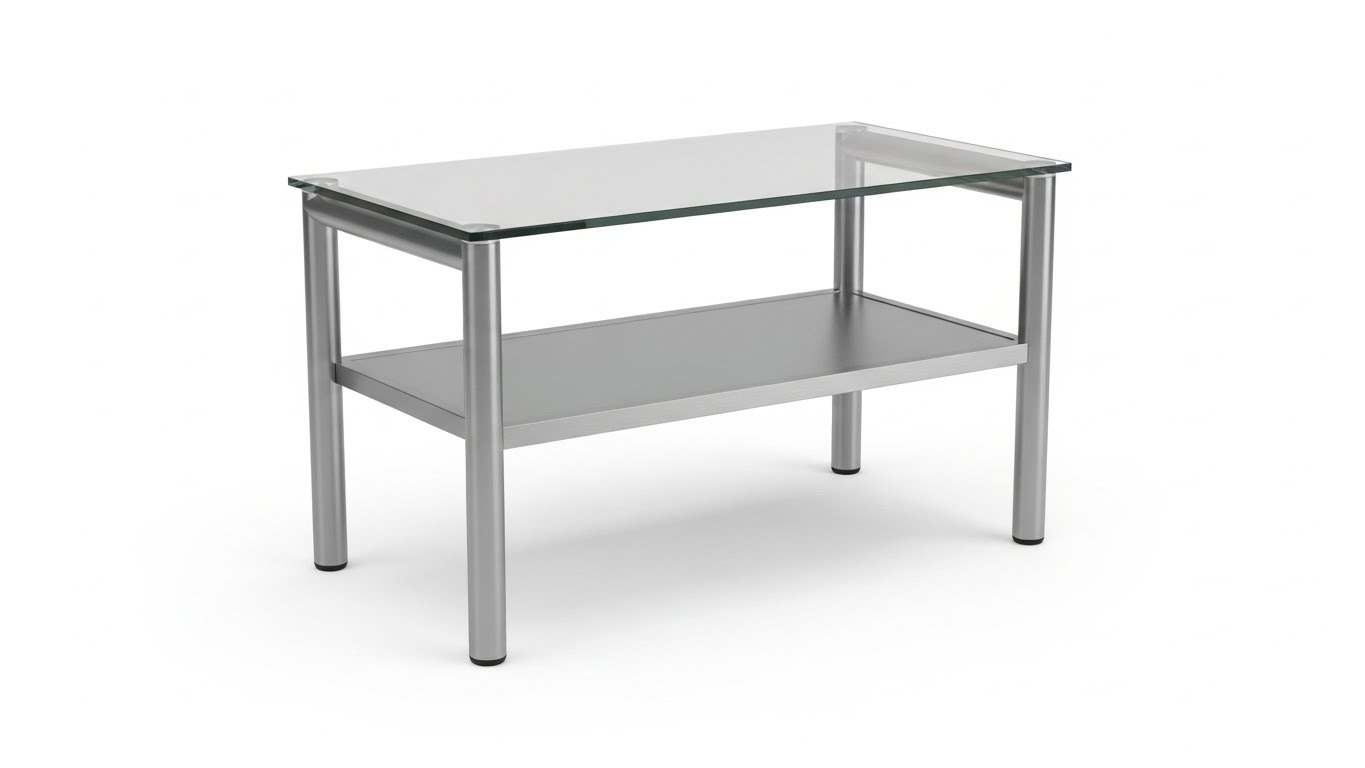
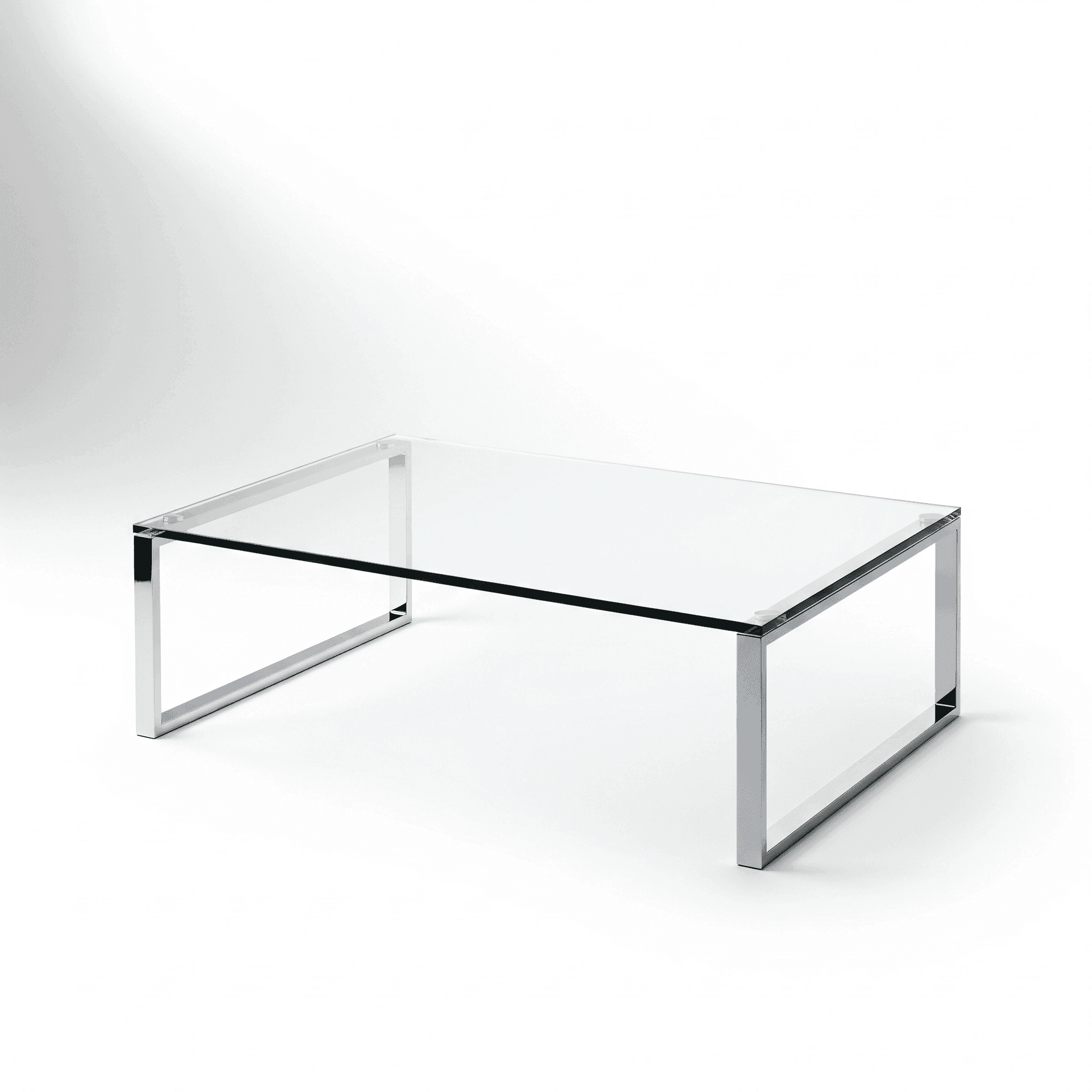
Glass Table
Waiting Area › Magazine Table
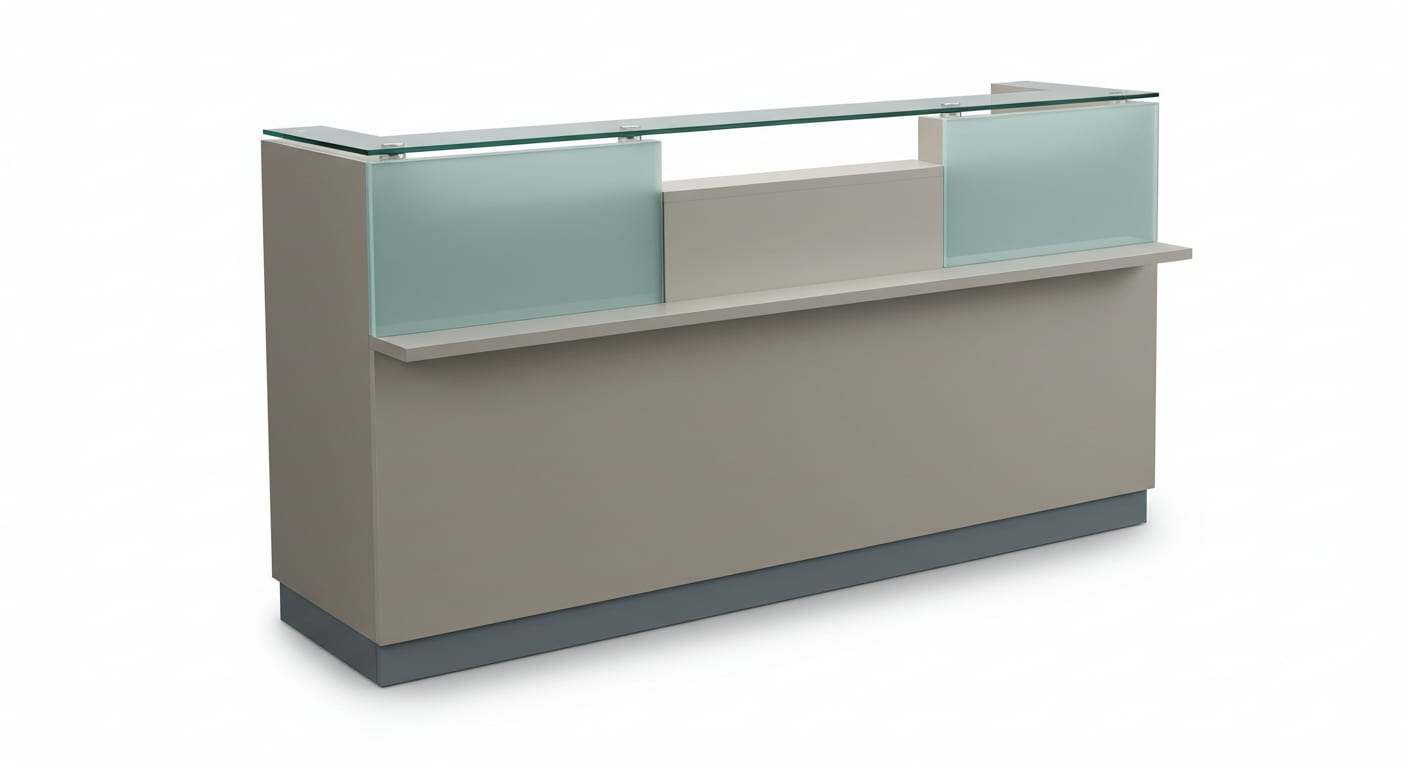
Glass Top Desk
Waiting Area › Reception Desk
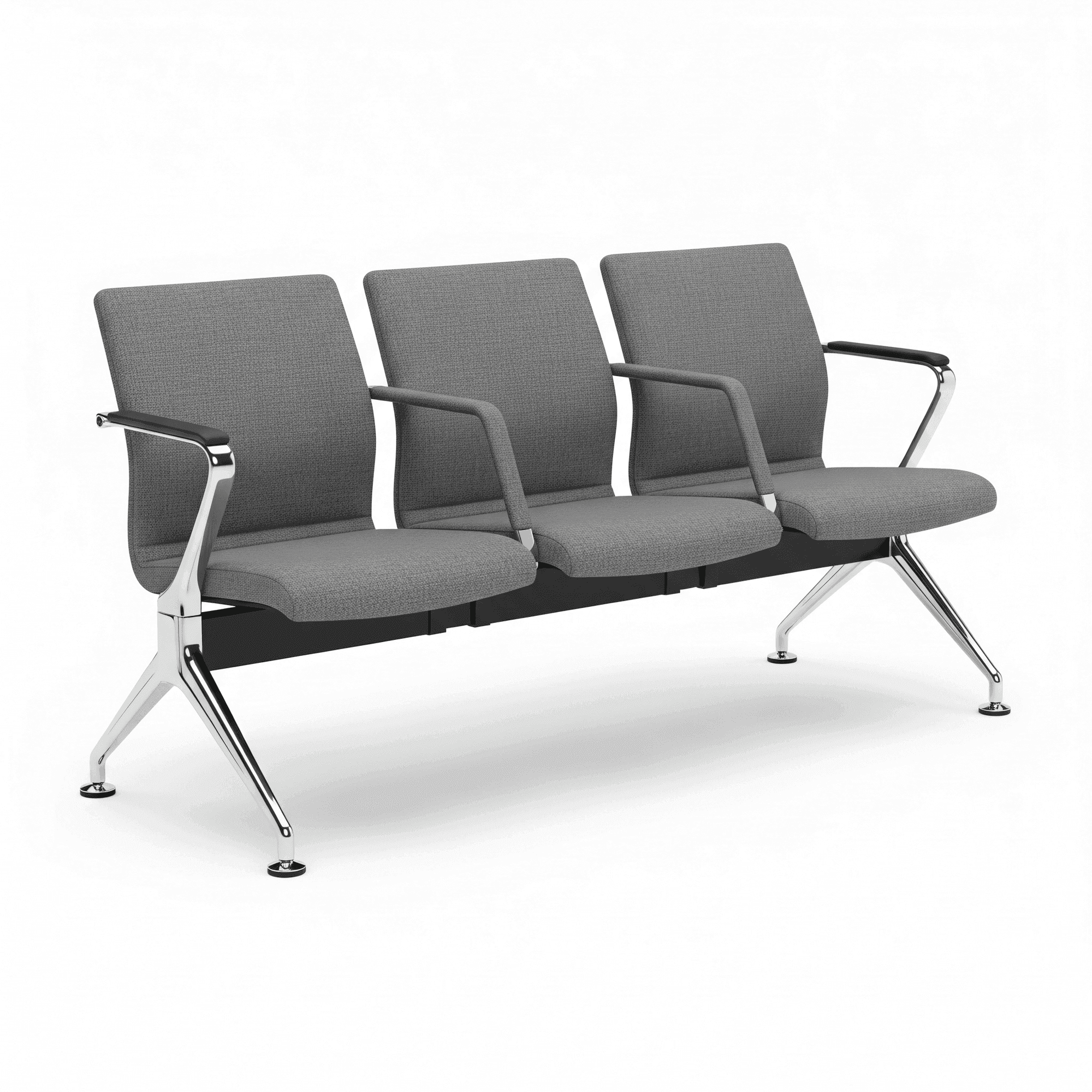
Linked Waiting Chair
Waiting Area › Waiting Chairs
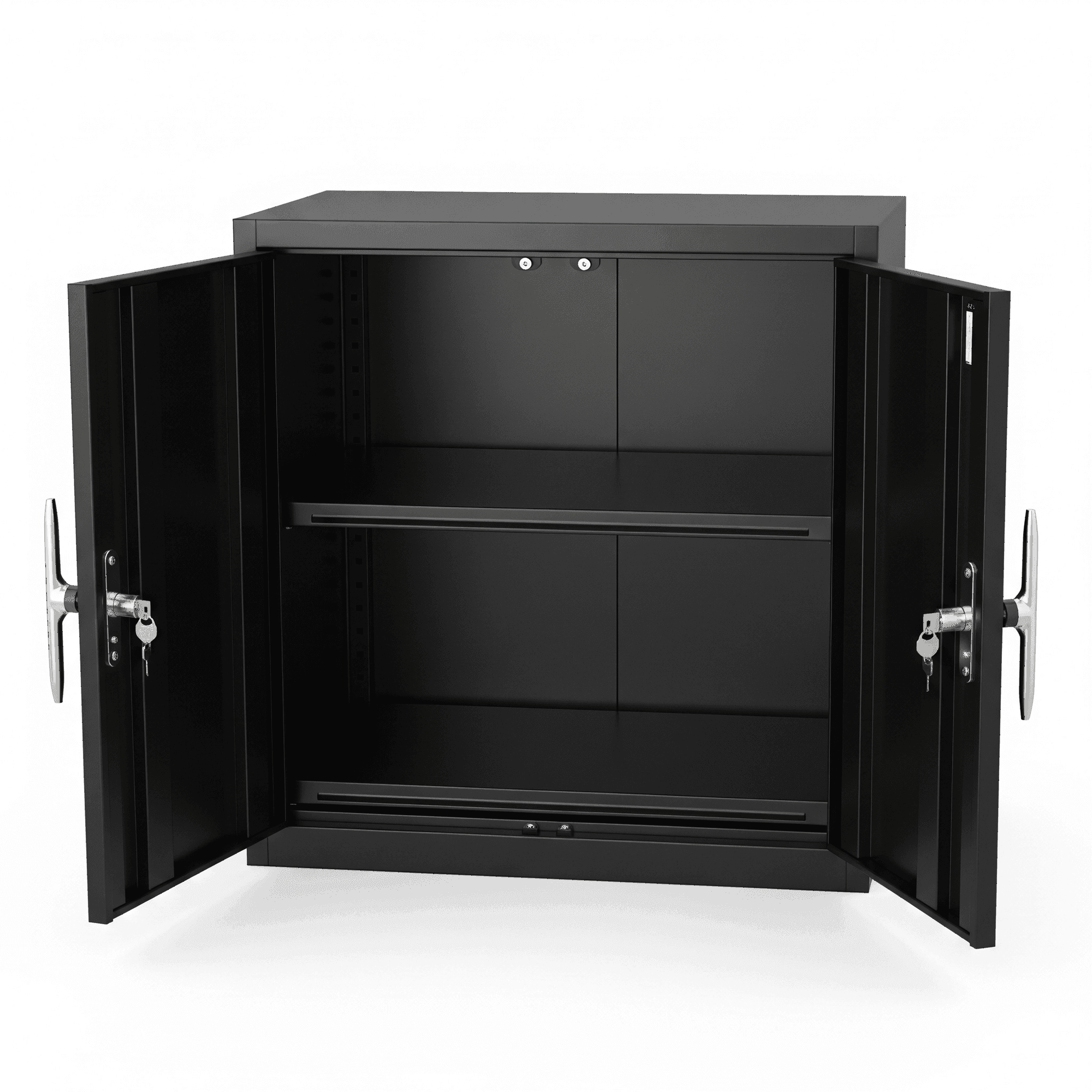
Lockable Cabinet
Patient Room › Bedside Cabinet
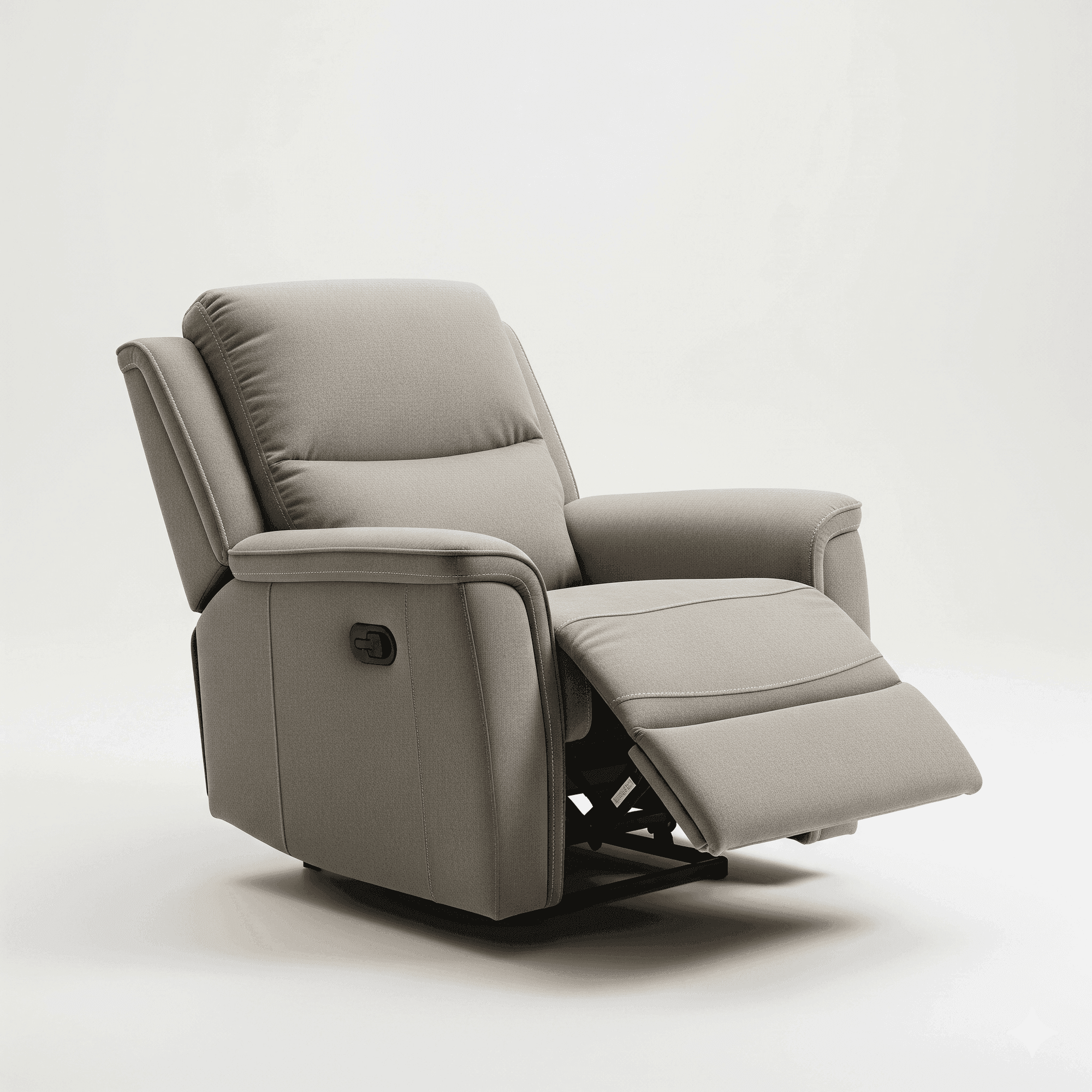
Manual Recliner
Patient Room › Recliner Chair
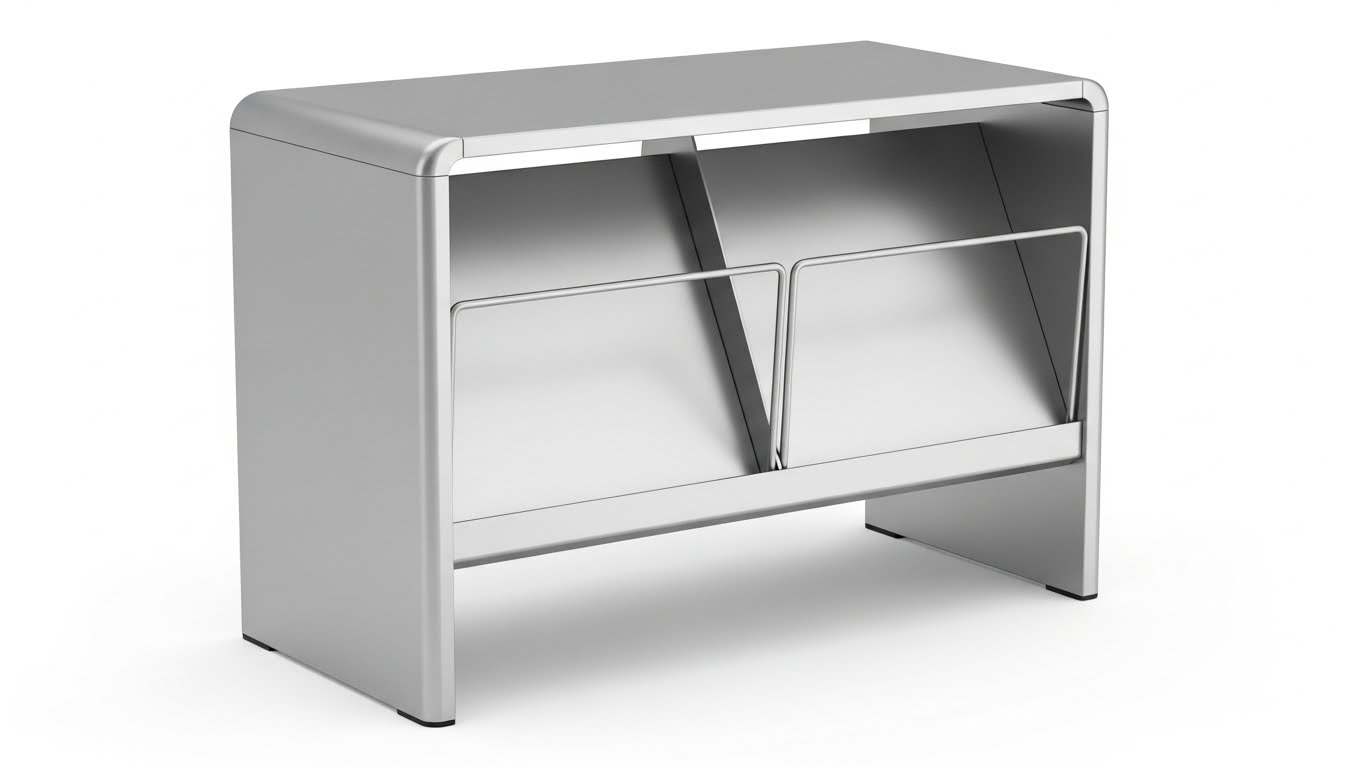
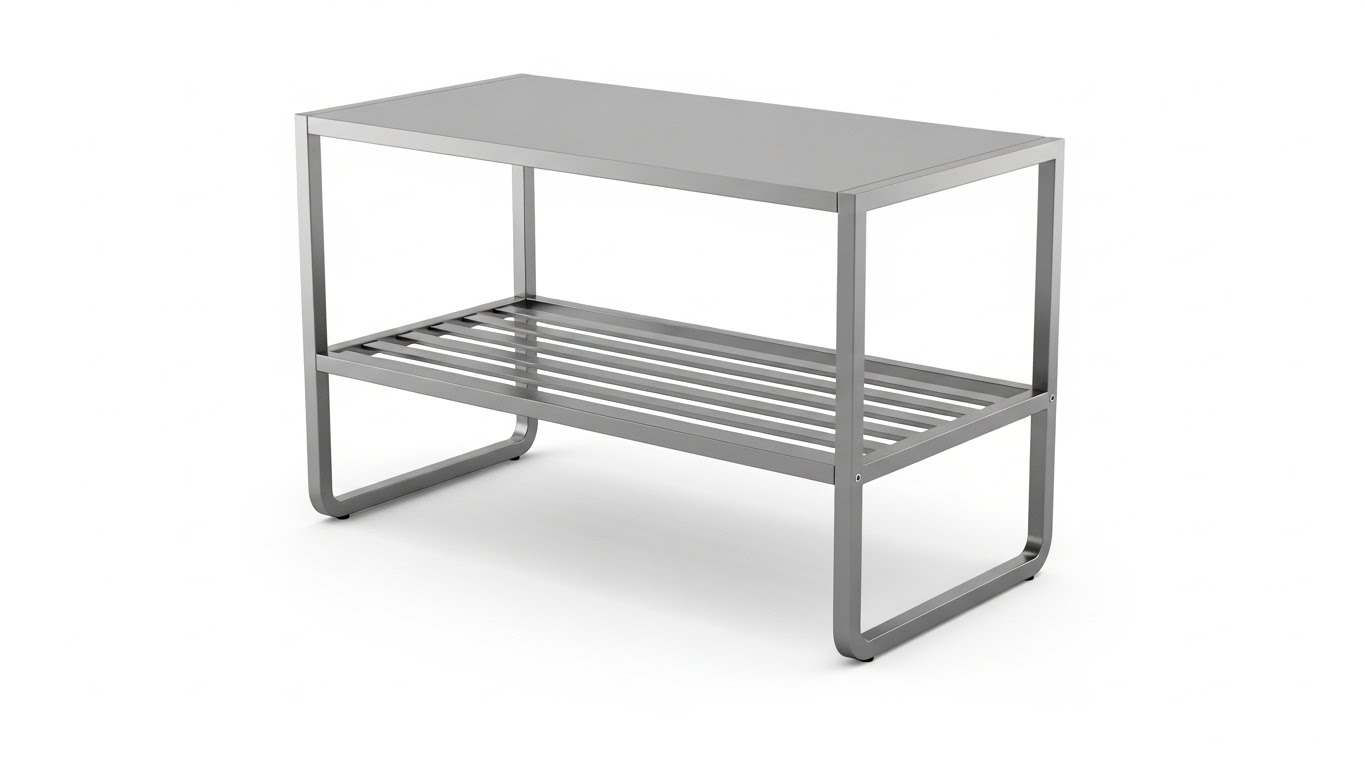
Metal Table
Waiting Area › Magazine Table
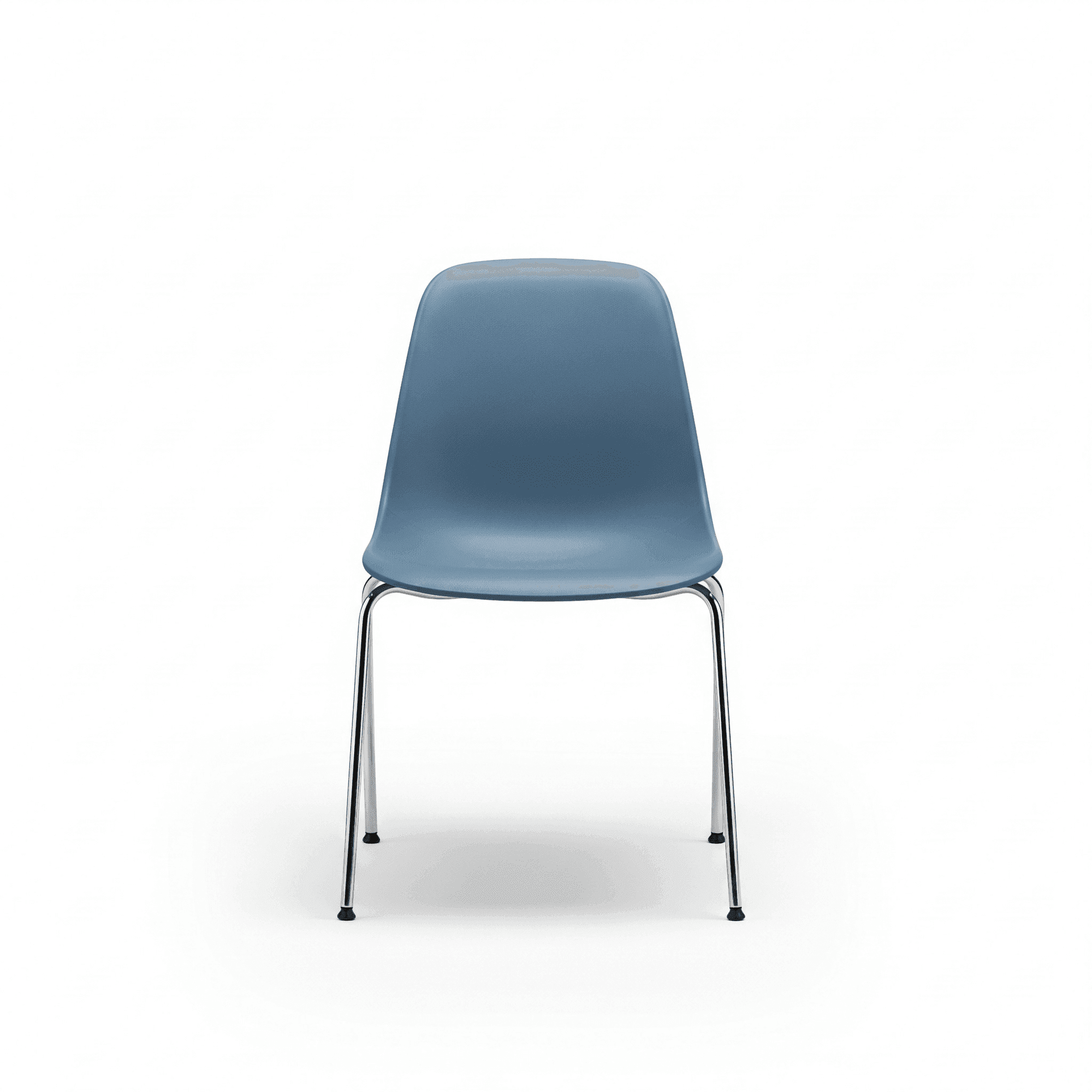
Plastic Waiting Chair
Waiting Area › Waiting Chairs
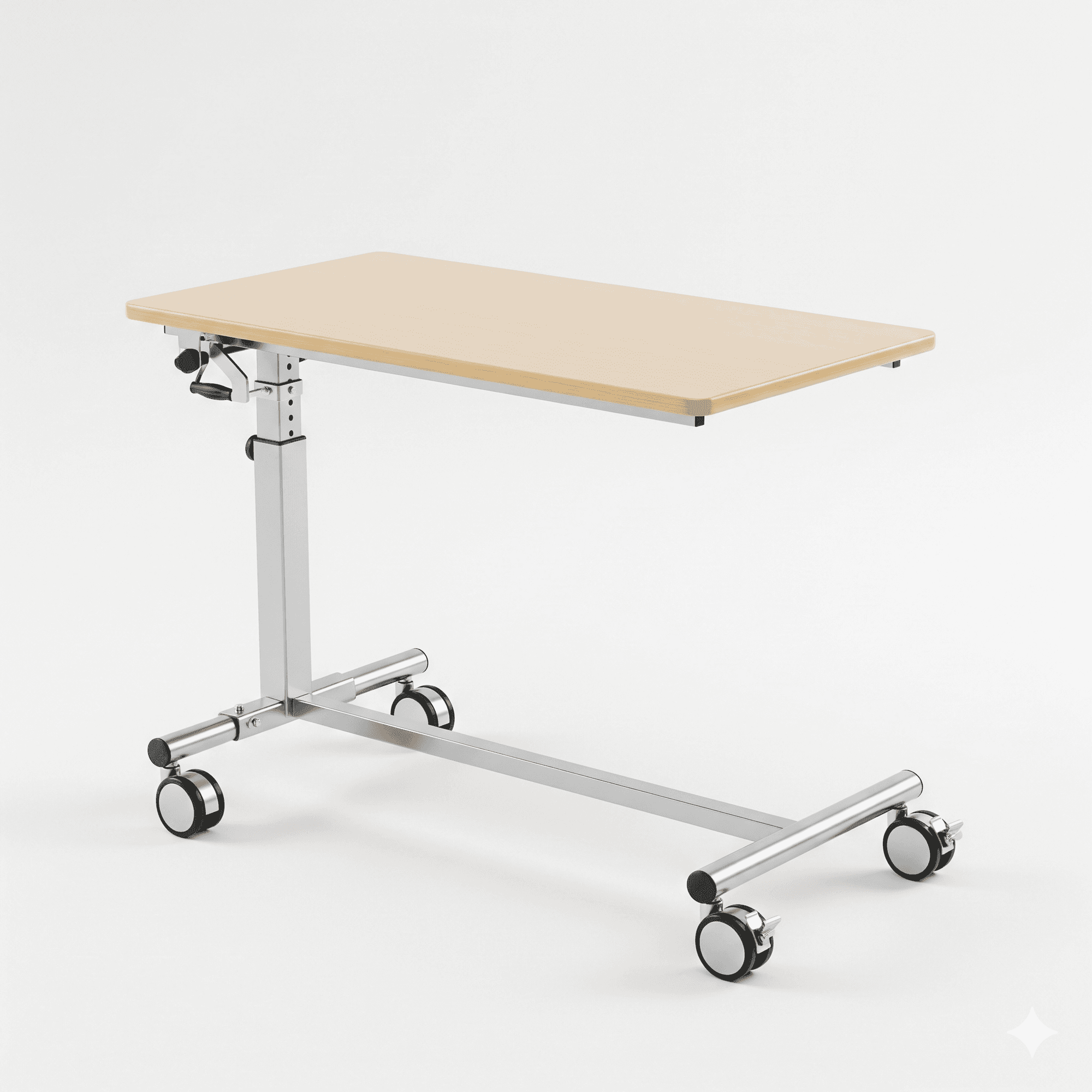
Rolling Overbed Table
Patient Room › Overbed Table
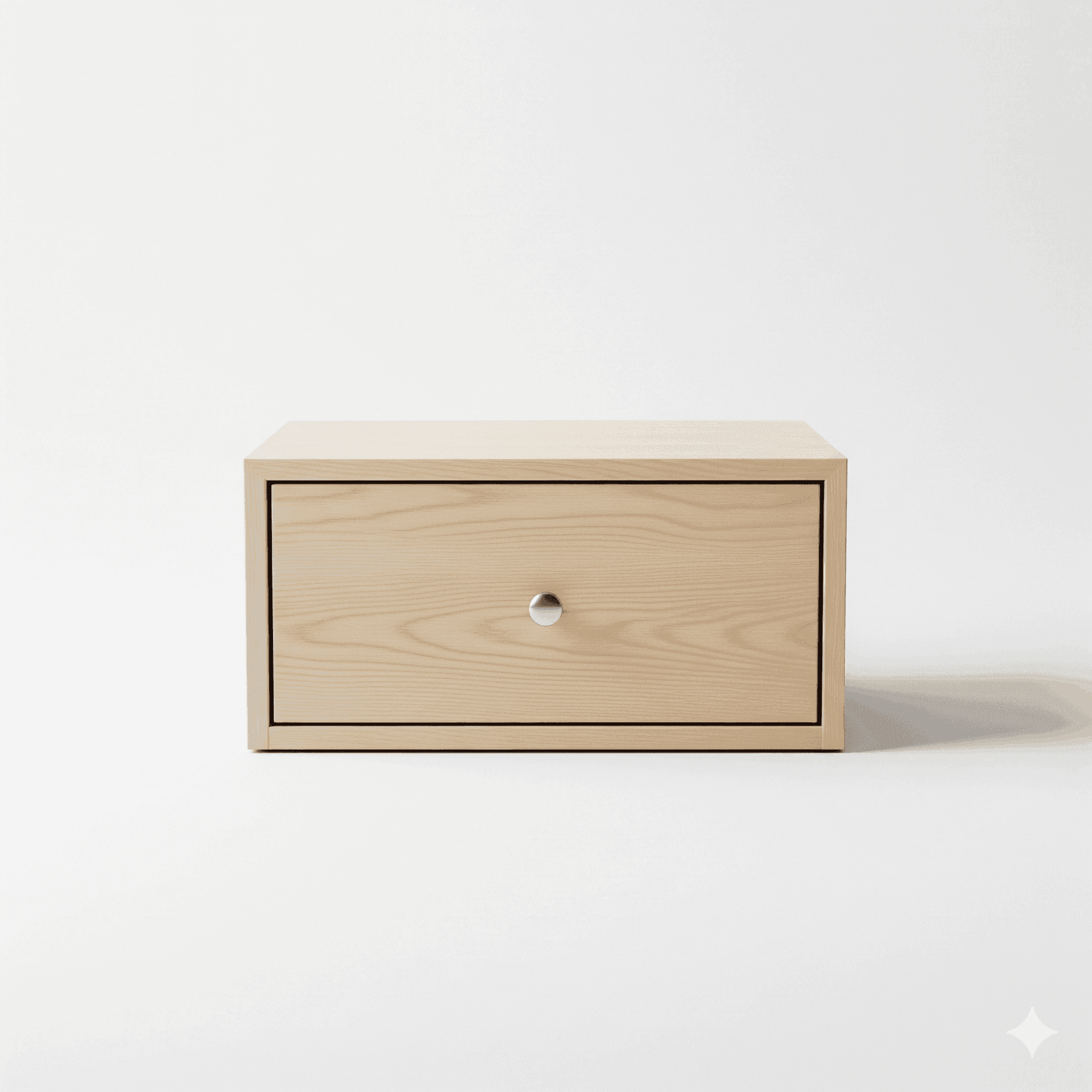
Single Drawer Cabinet
Patient Room › Bedside Cabinet
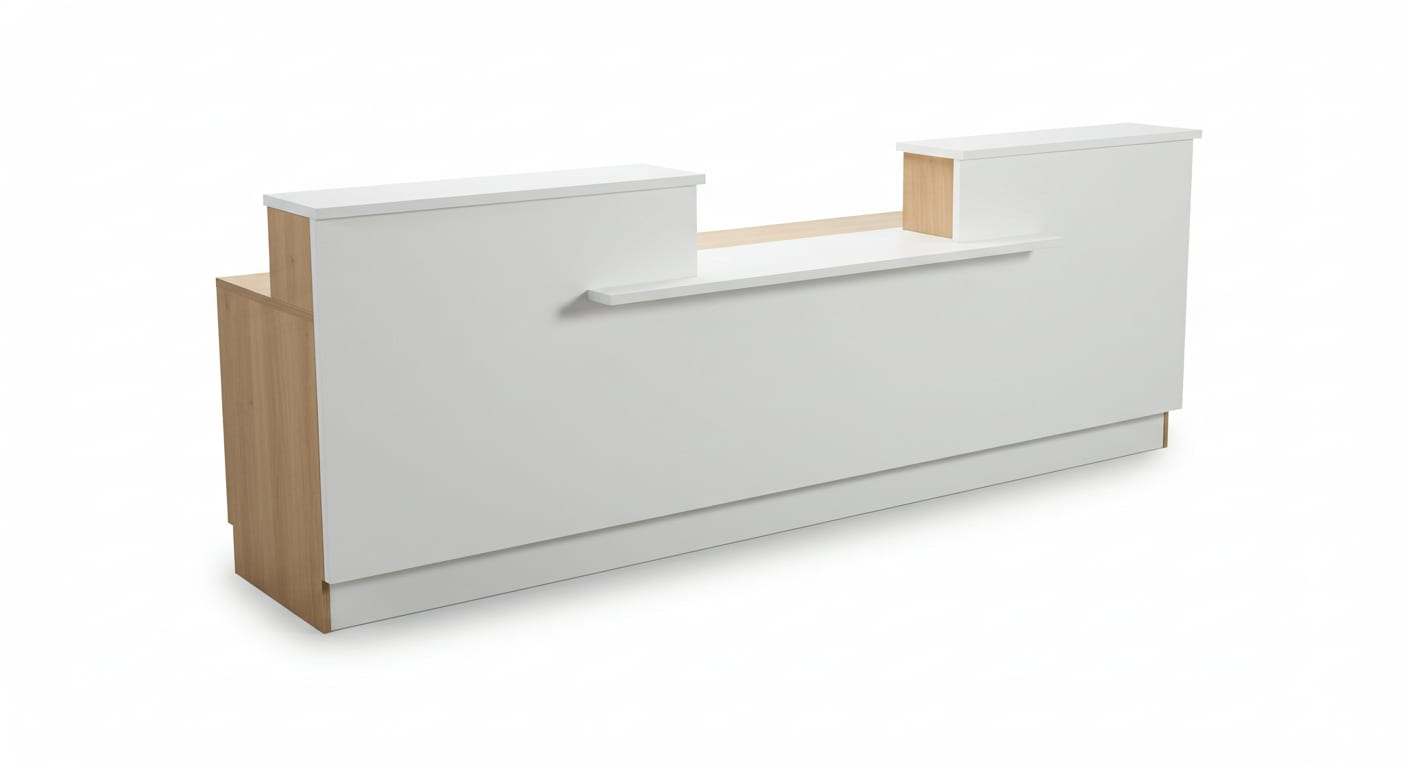
Straight Desk
Waiting Area › Reception Desk
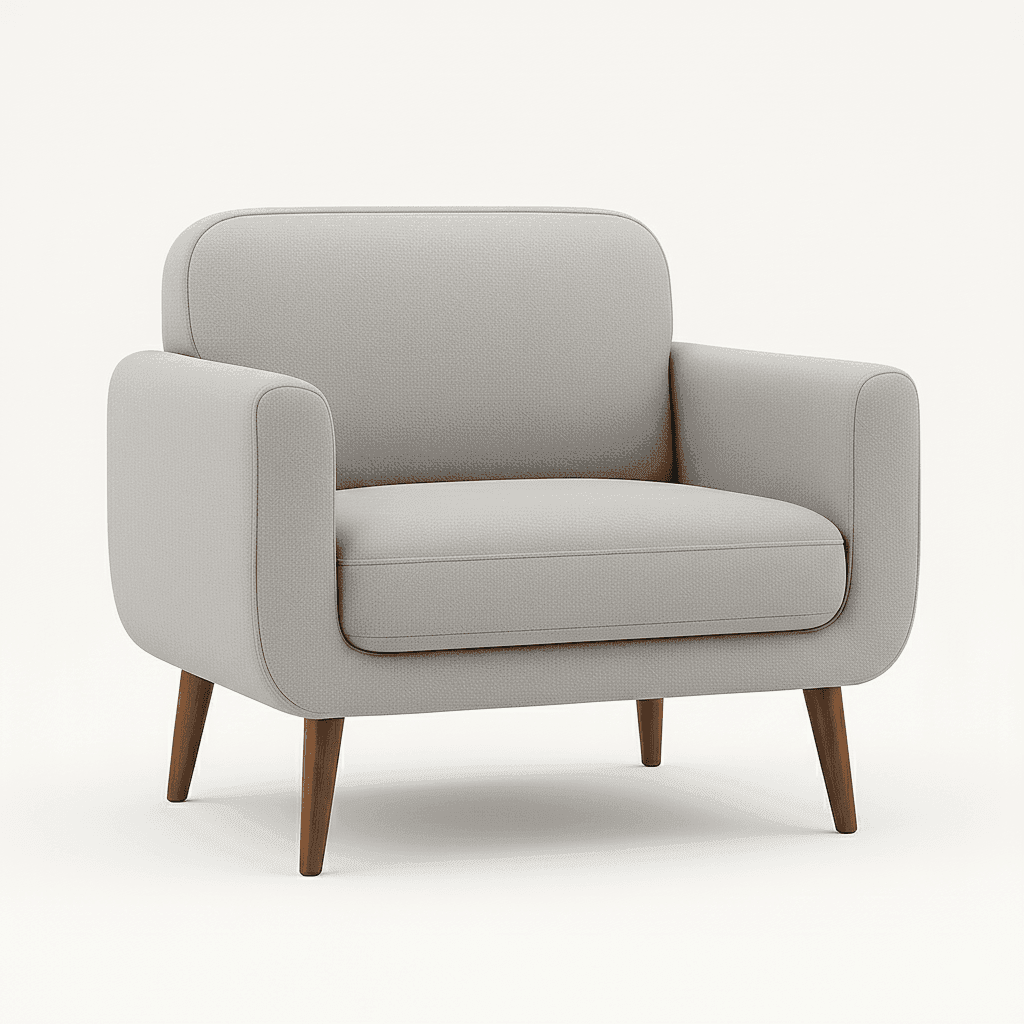
Upholstered Lounge Chair
Patient Room › Lounge Chair
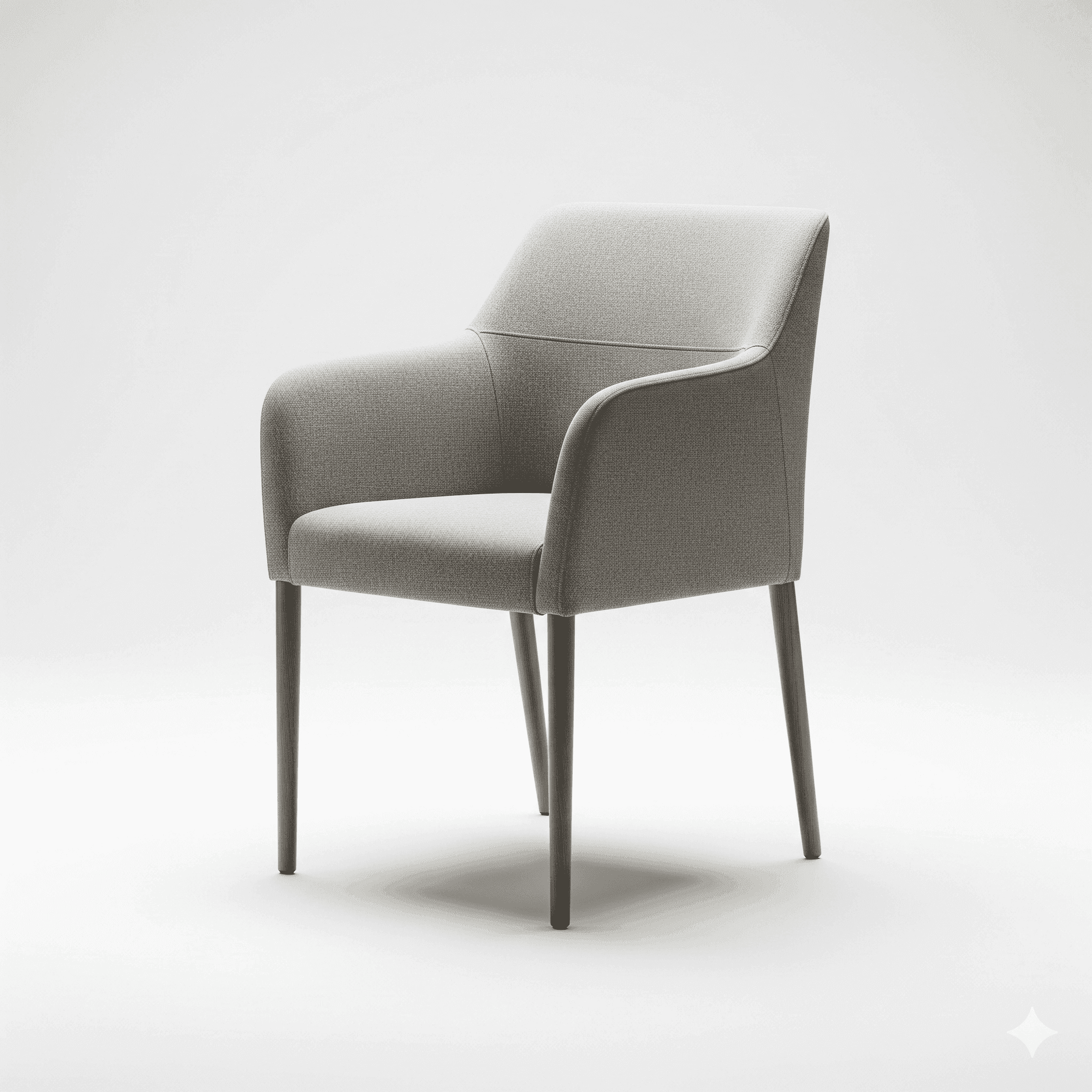
Upholstered Waiting Chair
Waiting Area › Waiting Chairs
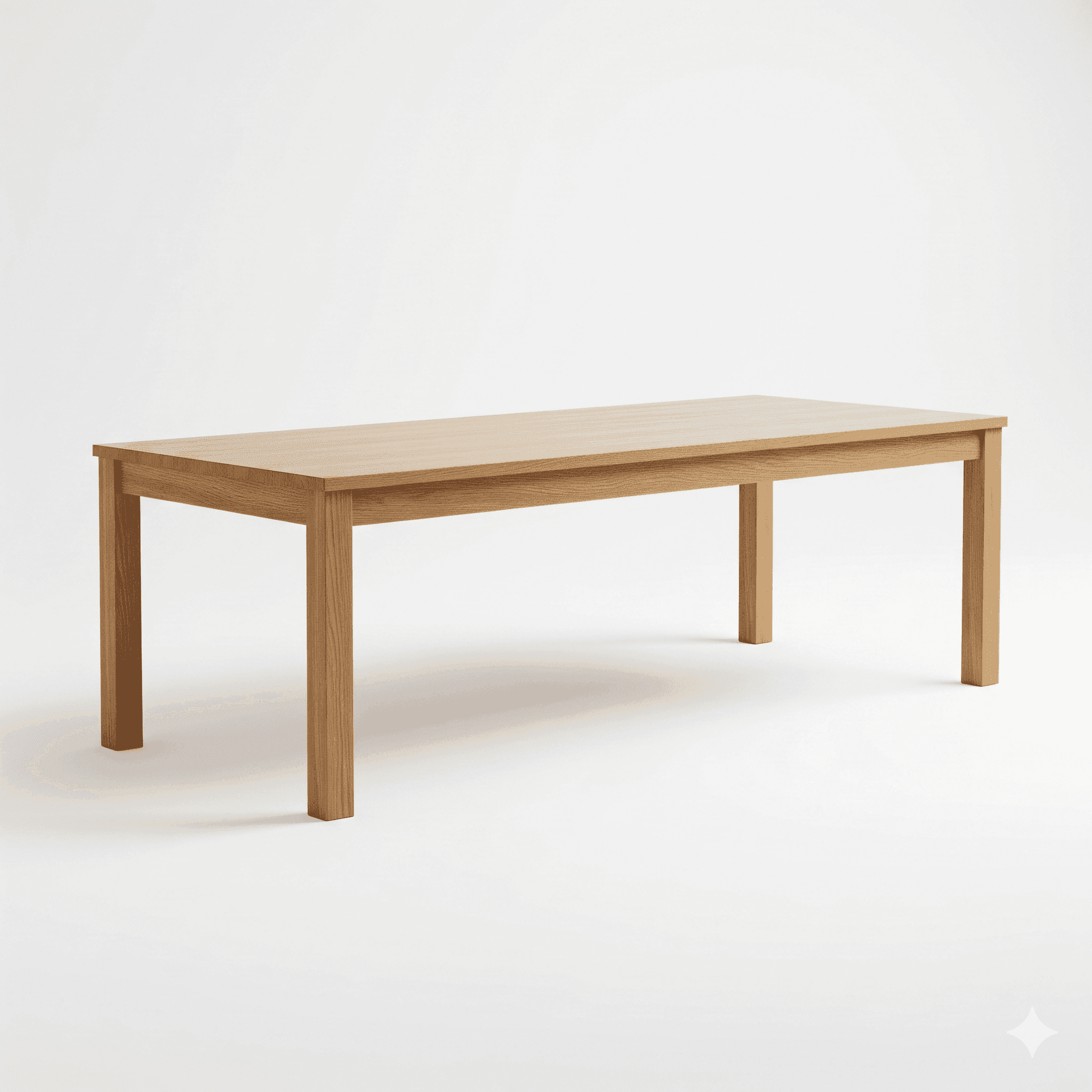
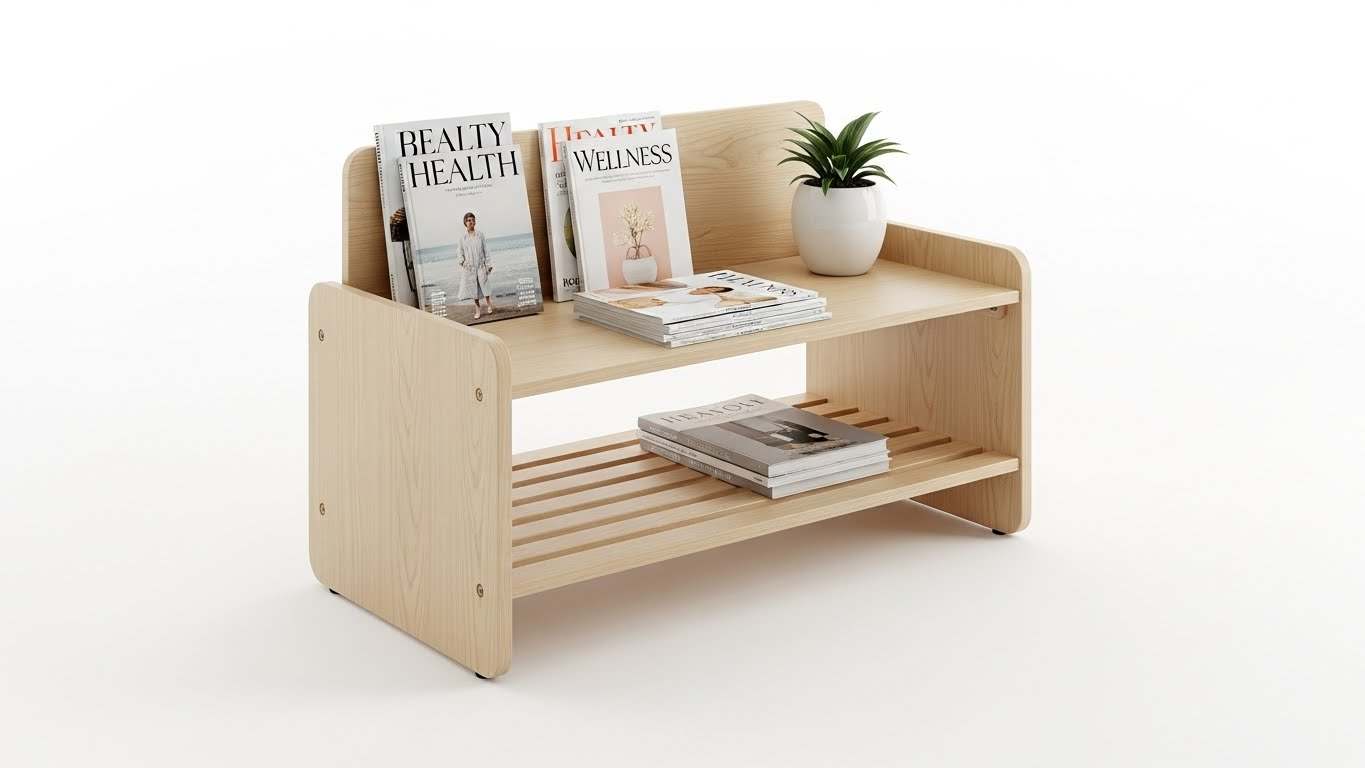
Wooden Table
Waiting Area › Magazine Table
Need help selecting the right products?
Our FF&E project management team can guide your selection from specification through delivery.
Buying Guide
Specifying Healthcare & Care Facilities Furniture
- Specify bleach-cleanable upholstery only
Healthcare upholstery should withstand hospital disinfectants and bleach solutions without degrading. Polyurethane coated fabrics, performance textiles, and medical vinyls are common choices. Avoid any upholstery without an explicit cleaning and disinfection warranty from the mill.
- Eliminate crevices and seams wherever possible
Every seam, zipper, and joint becomes a reservoir for pathogens. Welded seams, moisture barriers under upholstery, and closed-bottom seat platforms reduce cleaning time and infection risk compared to traditional button-tufted or piped construction.
- Include bariatric capacity in waiting areas
Best practice is to include bariatric-rated seating, typically 500 to 750 pound capacity, in every waiting area. These chairs should match the aesthetic of standard seating so patients can self-select without being singled out at the point of care.
- Coordinate with infection prevention teams
Infection preventionists should review upholstery, finish, and construction specs before purchase. They often have institutional standards or prior product failures that inform which manufacturers and product families are approved for clinical environments.
- Design for cleaning staff, not just clinicians
Environmental services teams clean the furniture more often than clinicians use it. Smooth, wipeable surfaces, lift-to-clean seats, and accessible floor clearance dramatically reduce labor time and improve actual, as-used cleanliness compared to designs that only photograph well.
Materials & Construction
What We Build It From
Healthcare casegoods typically use HPL or thermofoil over moisture-resistant MDF substrates, chosen for bleach compatibility and ease of repair. Patient room wardrobes and overbed tables use closed-cell edge banding to prevent fluid intrusion. Seating frames are welded steel or hardwood with moisture barriers between the upholstery and foam. Upholstery is specified from healthcare-rated lines including medical polyurethane, performance textiles, or antimicrobial vinyls compatible with hospital disinfectants. Foam and fabrics are selected to meet applicable fire safety codes.

Frequently Asked
Questions About Healthcare & Care Facilities Furniture
What upholstery should we specify for patient rooms and waiting areas?
Use healthcare-rated coated fabrics or polyurethane upholstery with documented compatibility for bleach and quaternary disinfectants. Medical vinyls, performance textiles, and similar product families provide cleanability warranties and moisture barriers that uncoated wovens cannot match in a clinical setting.
Do you provide bariatric-rated seating?
Yes. We specify and supply bariatric chairs engineered for 500, 600, and 750 pound capacities, depending on the clinical application. These chairs use reinforced frames, wider seat dimensions, and healthcare-grade upholstery while maintaining aesthetic consistency with standard waiting area seating.
How is healthcare furniture different from regular commercial furniture?
It is engineered for continuous chemical disinfection, infection control, and higher structural loads than standard commercial pieces. Seams, foams, barriers, and finishes are all selected for compatibility with hospital cleaning protocols, and construction is simplified to eliminate the crevices that collect contaminants.
Related Guides
Plan Your Healthcare & Care Facilities Project
Browse healthcare & care facilities furniture by type
Browse all Healthcare & Care Facilities products A–Z
Every healthcare & care facilities product, grouped by furniture type.