
Product Catalog
Commercial Office Furniture Manufacturer
Office furniture collection
Product results
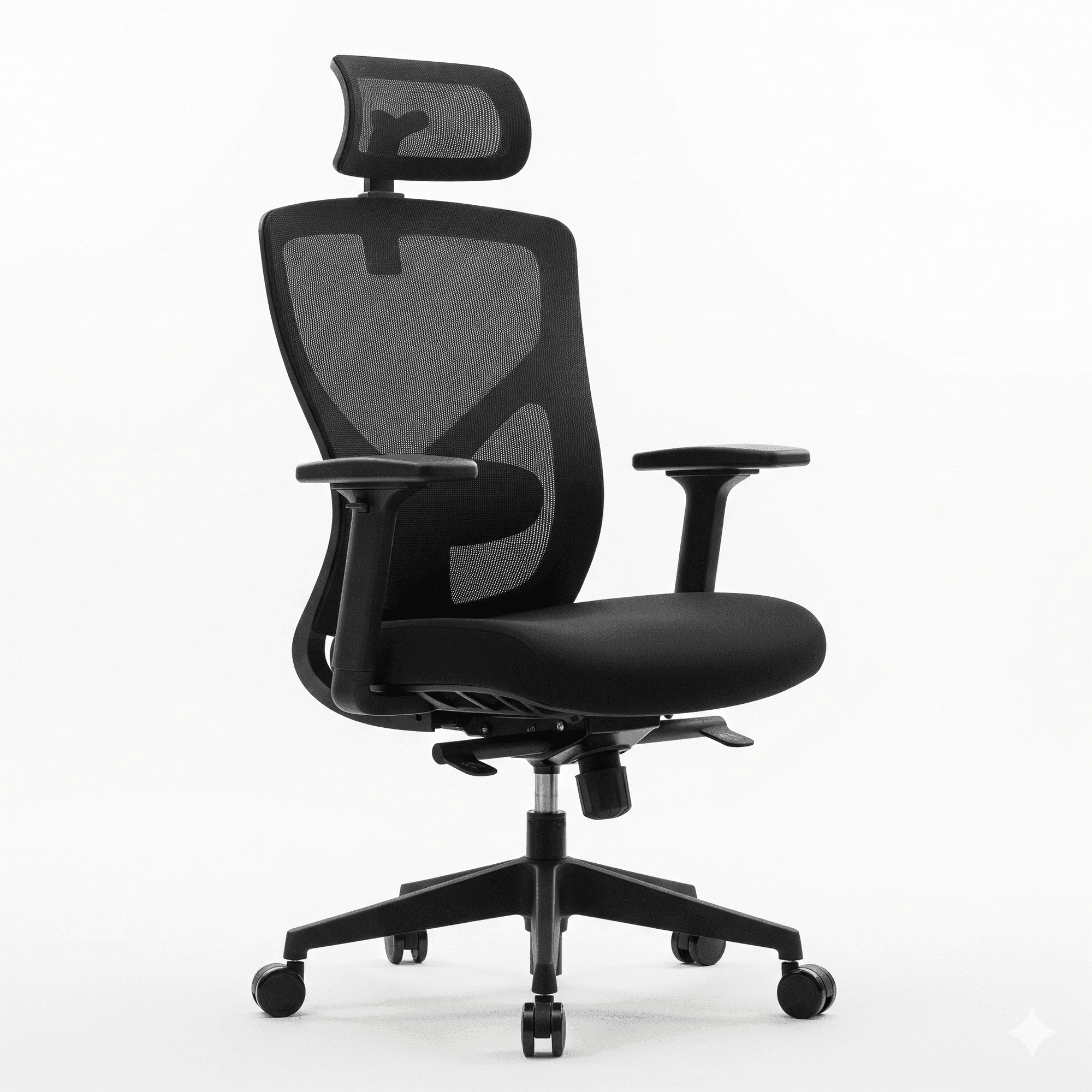
Adjustable Ergonomic Chair
Seating › Ergonomic Chair
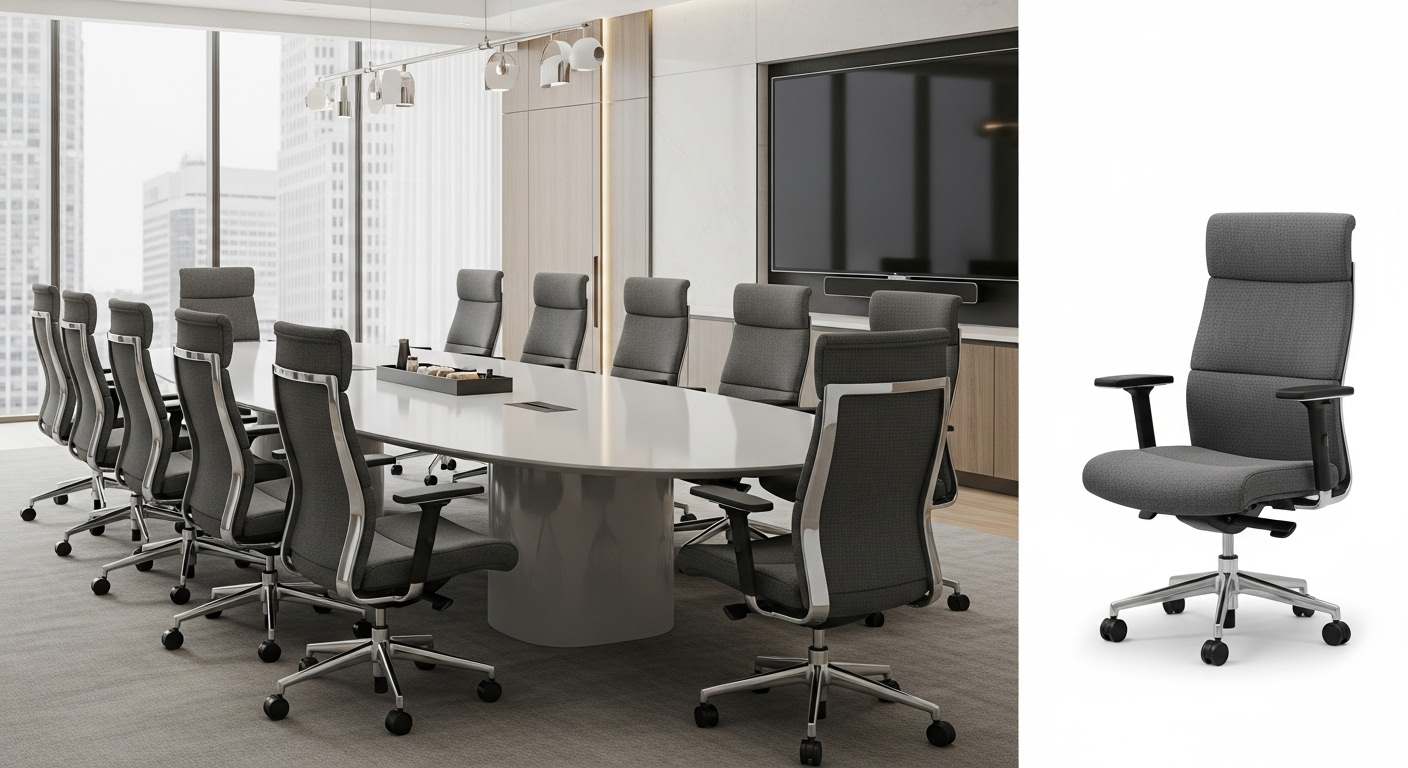
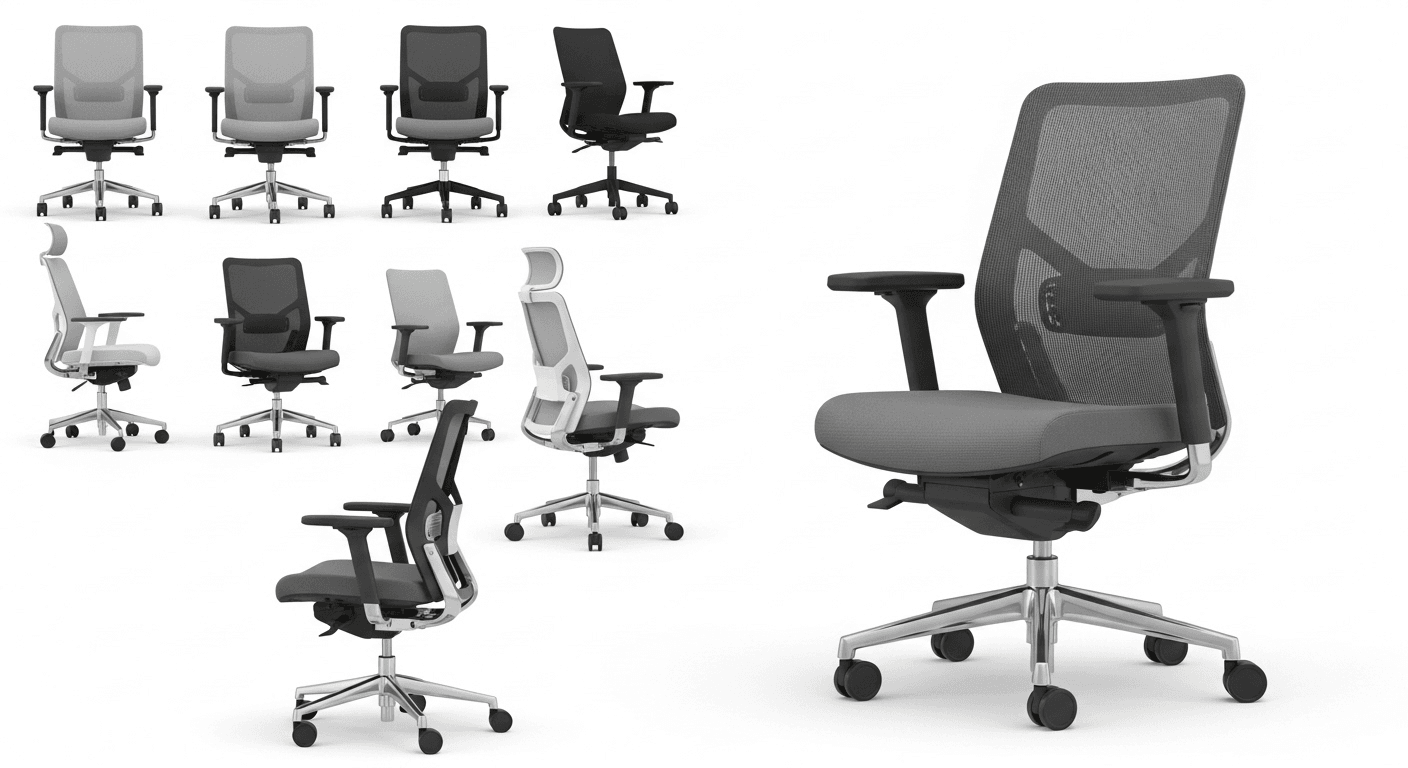
Conference Room Chairs
Seating › Ergonomic Chair
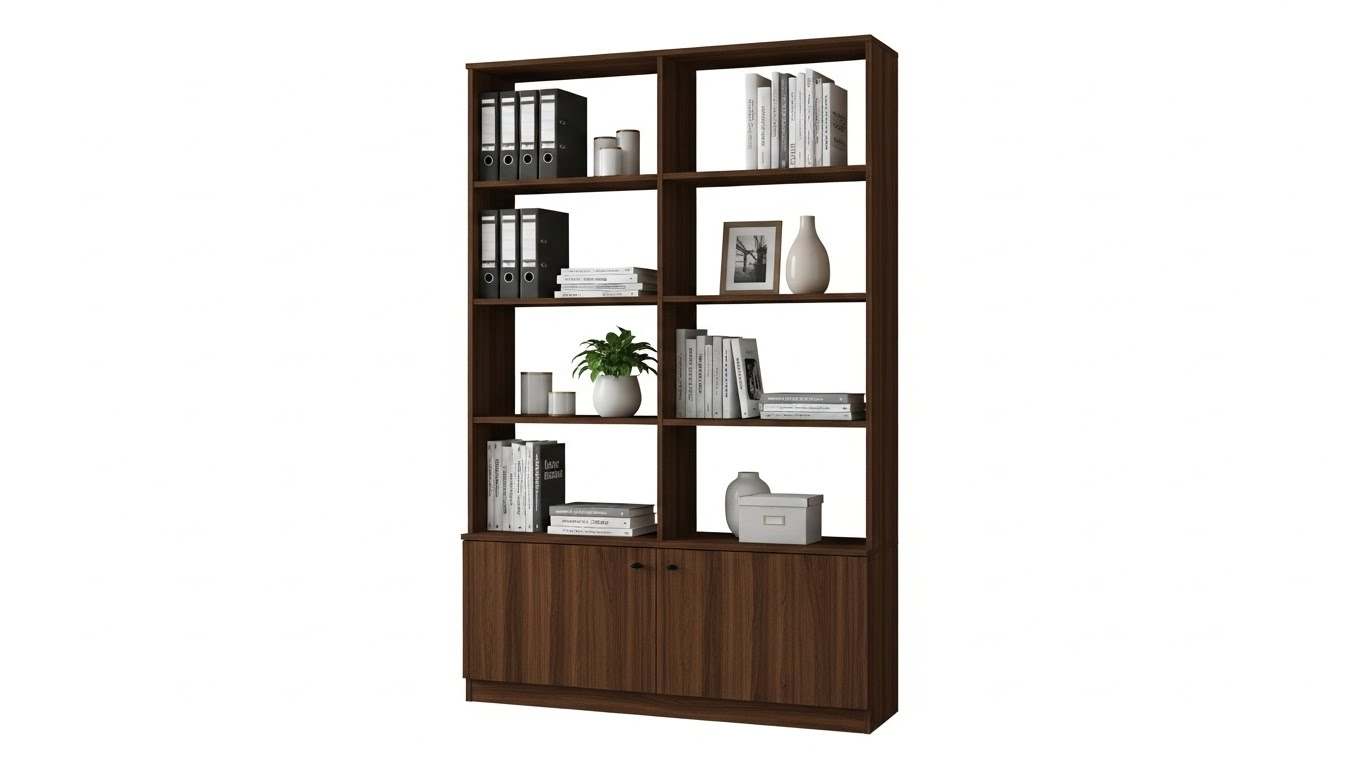
DMD Bookshelf Collection
Storage and Organization › Bookshelves
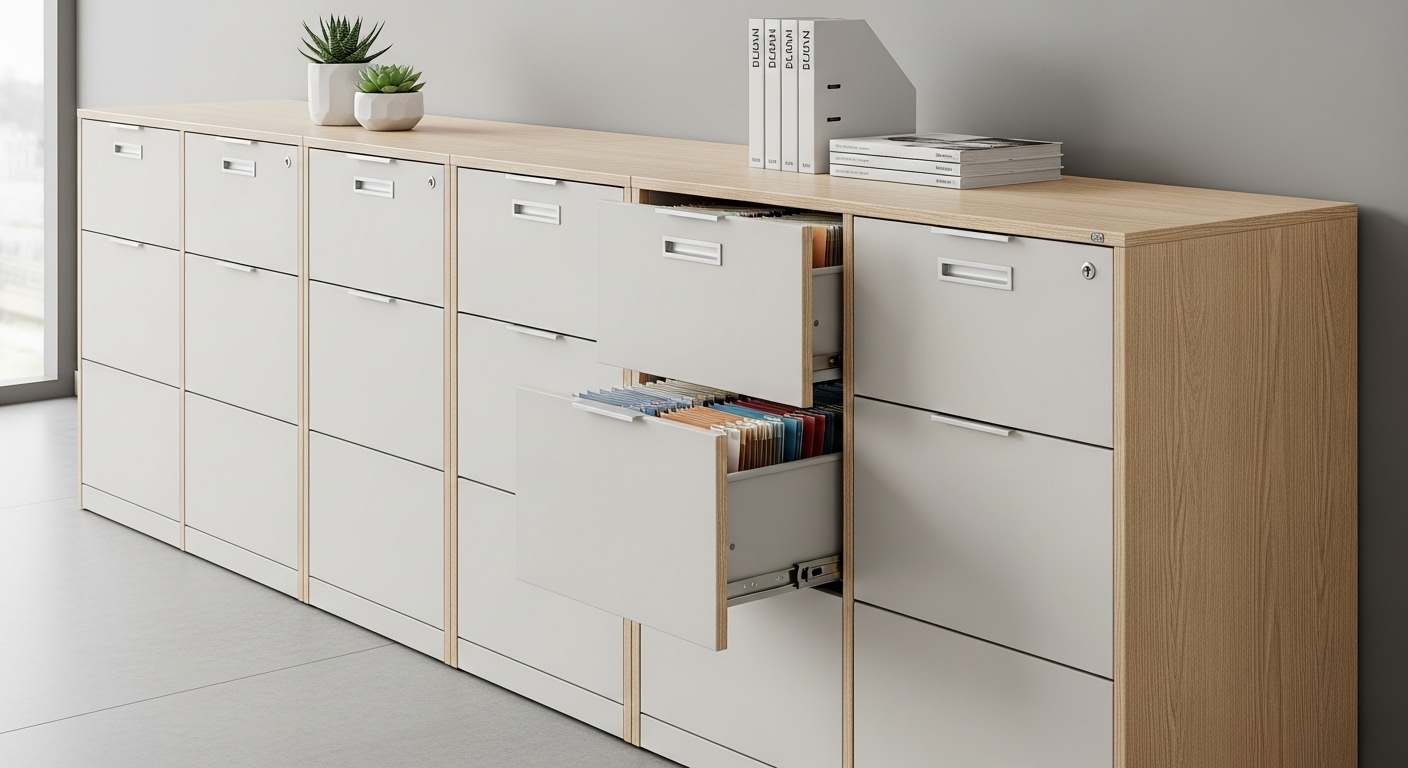
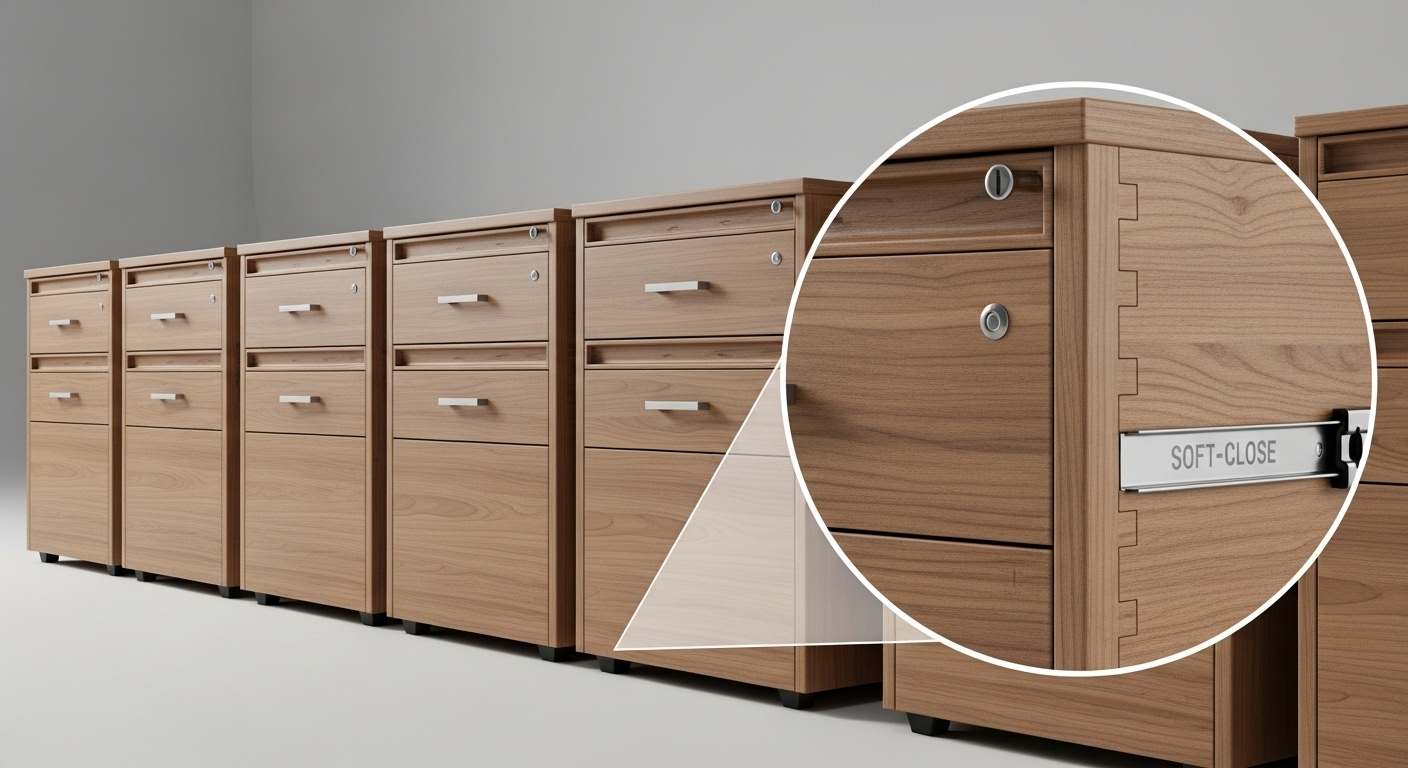
DMD SoftClose Modular Cabinet
Storage and Organization › Storage Cabinets
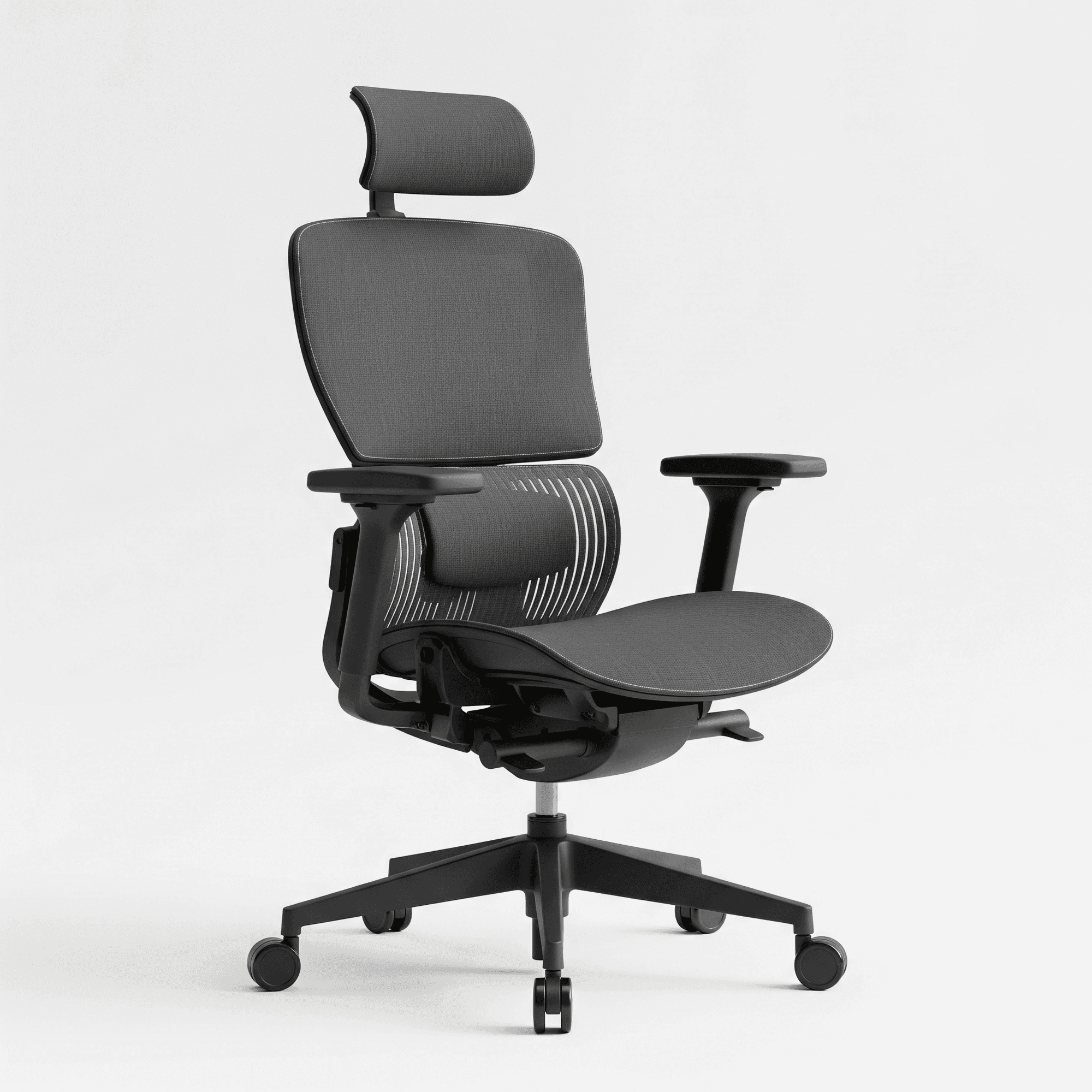
Fabric Ergonomic Chair
Seating › Ergonomic Chair
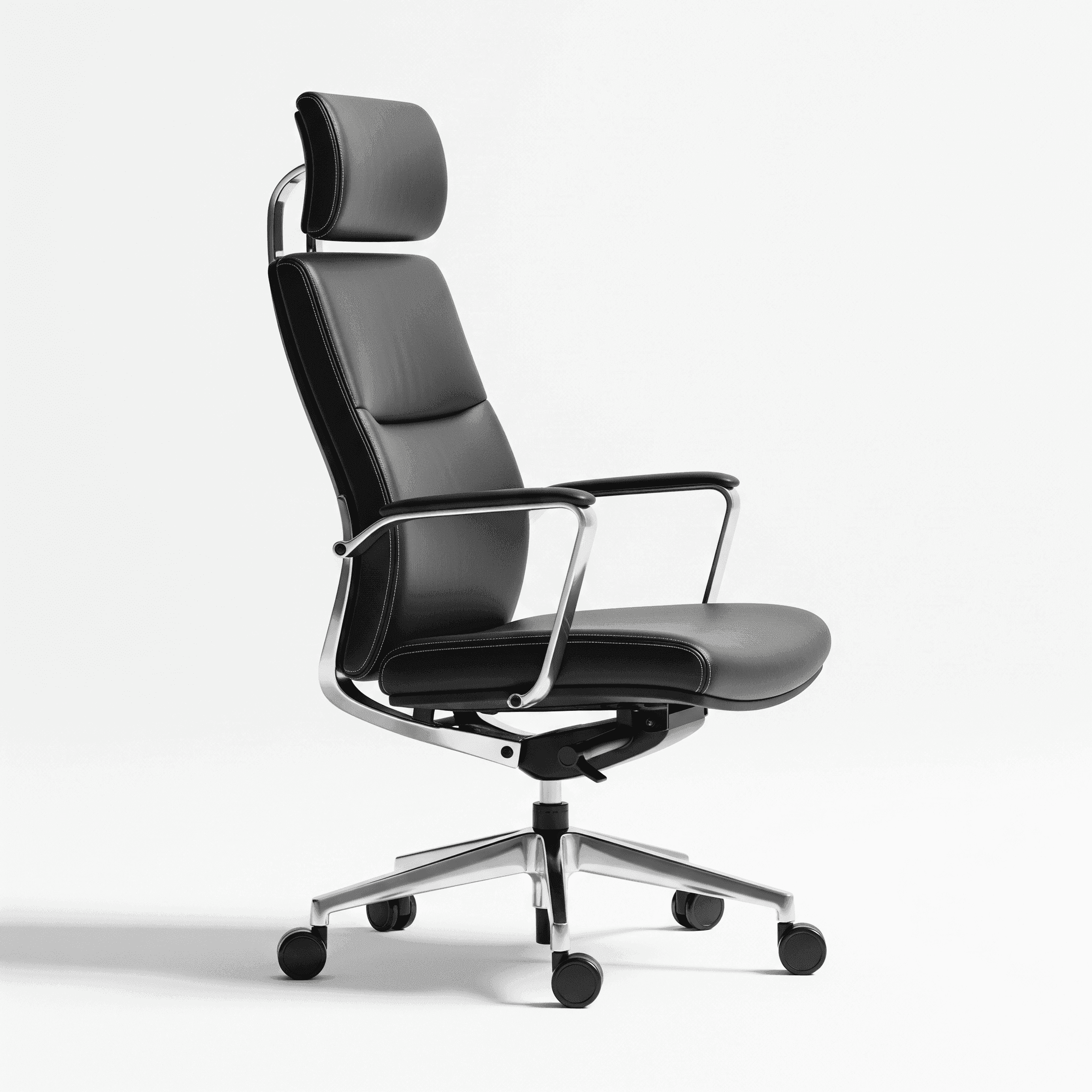
High-Back Executive Chair
Seating › Executive Chair
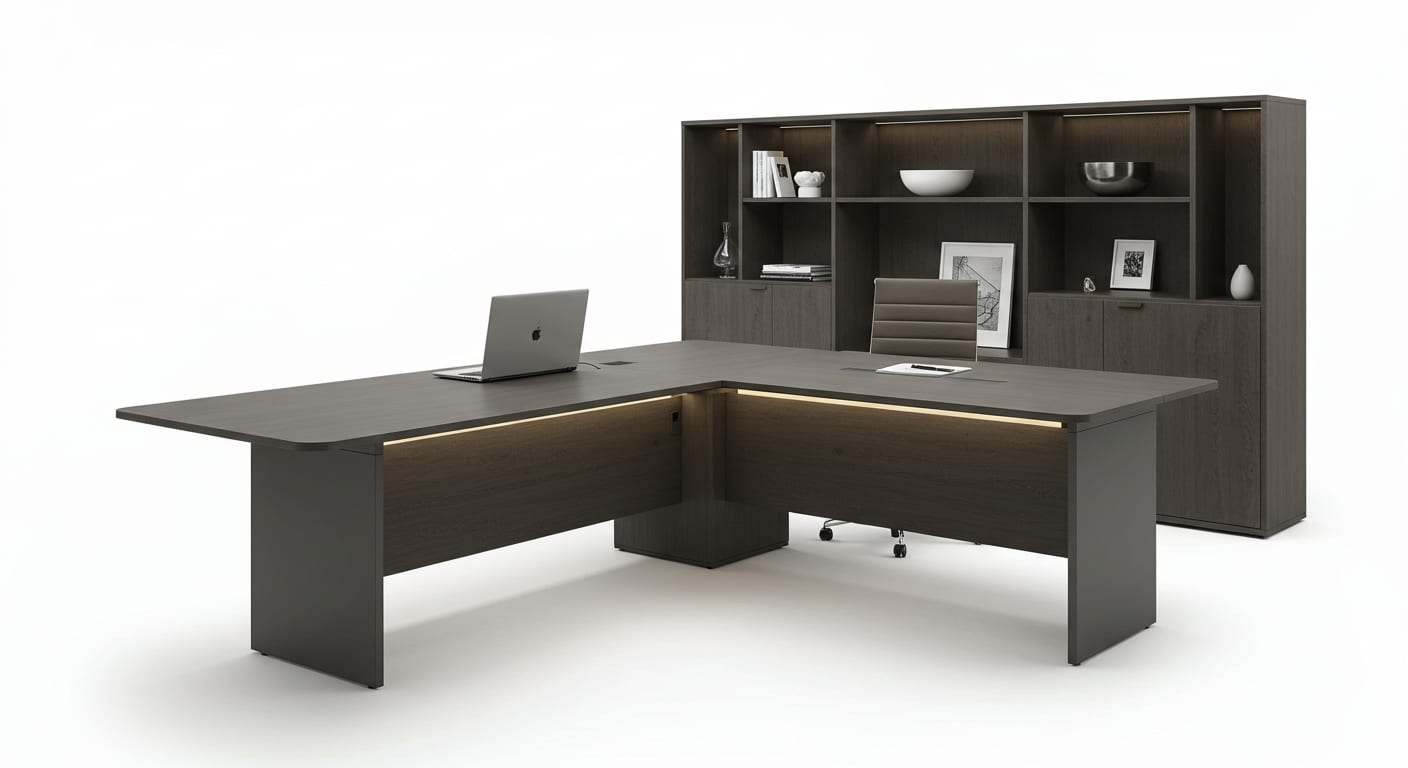
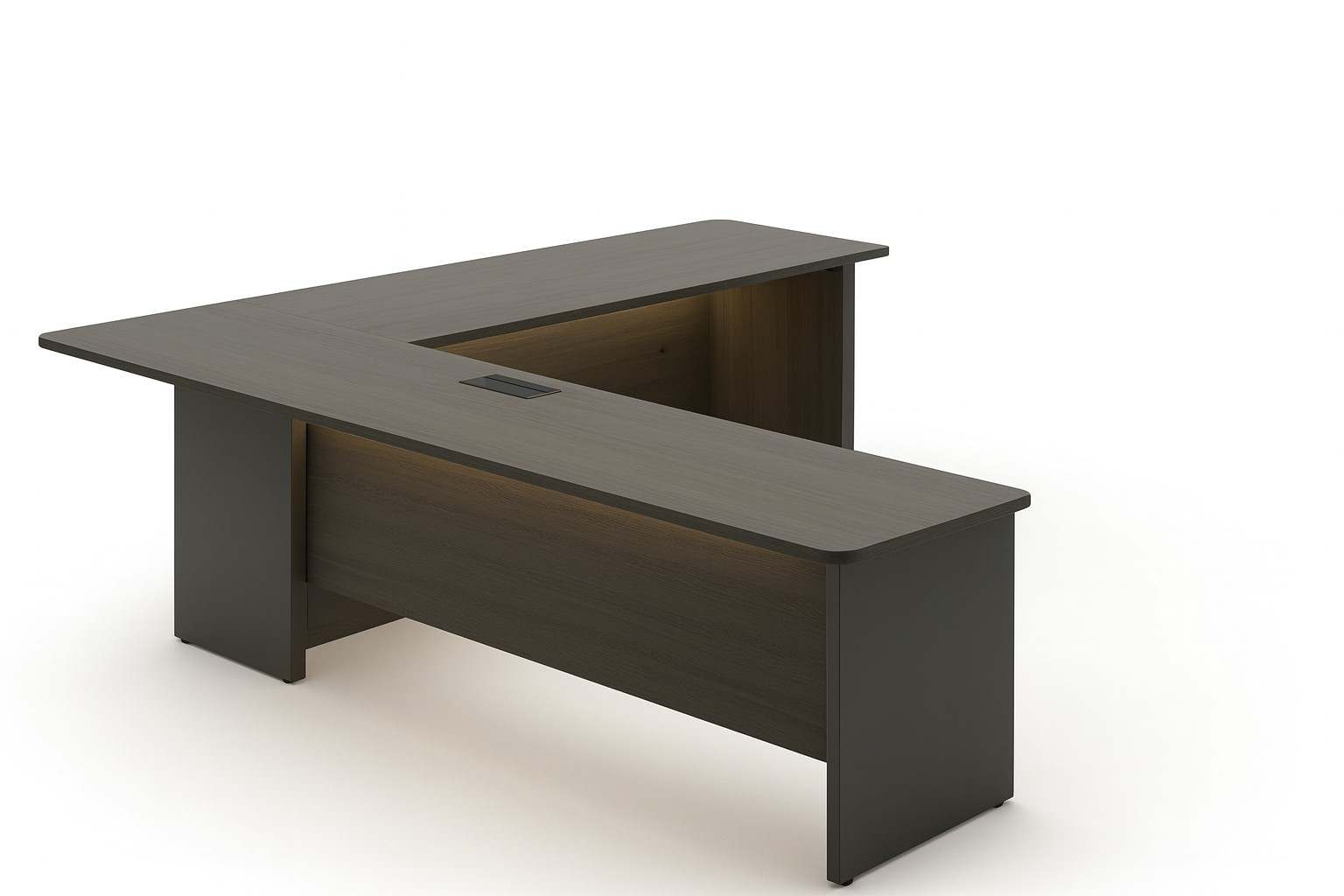
L-Shaped Executive Desk
Workstations › Executive Desk
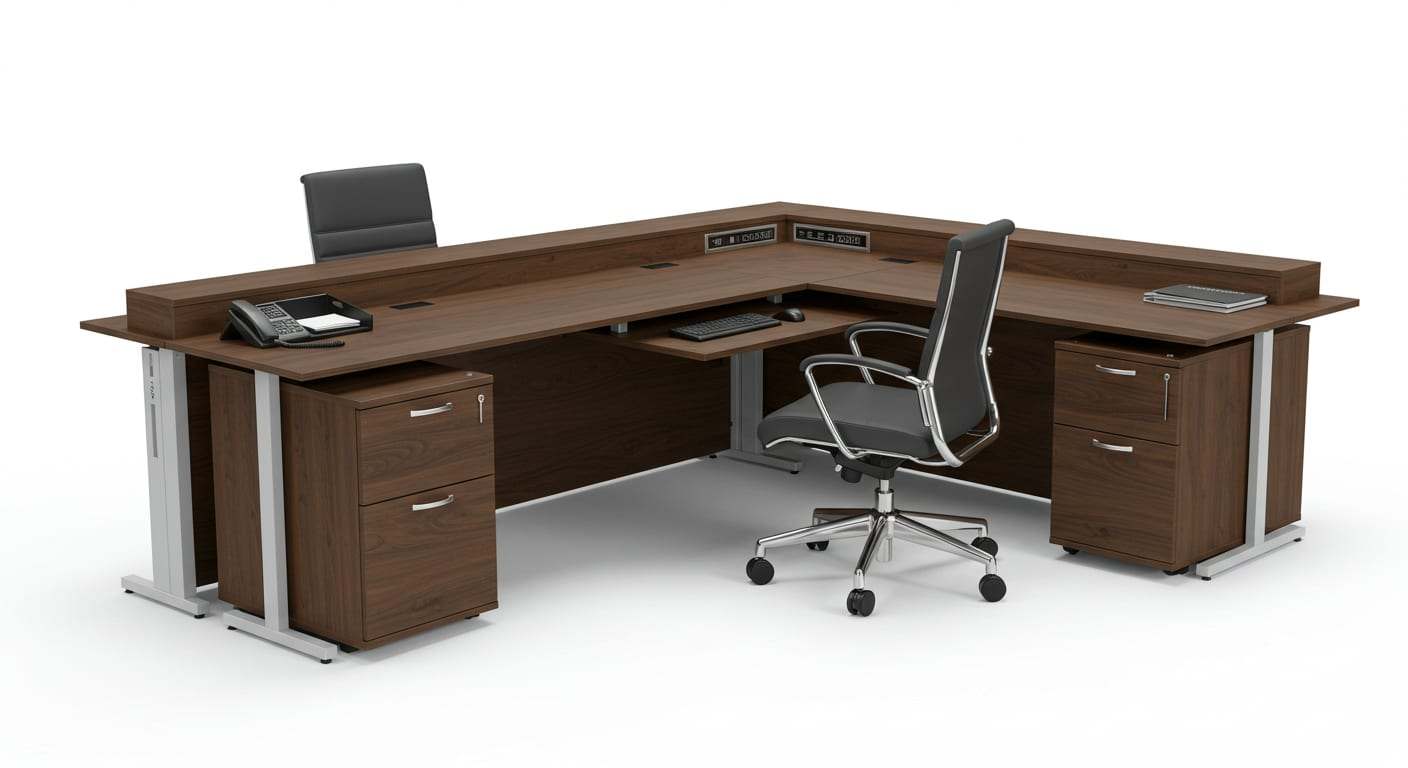
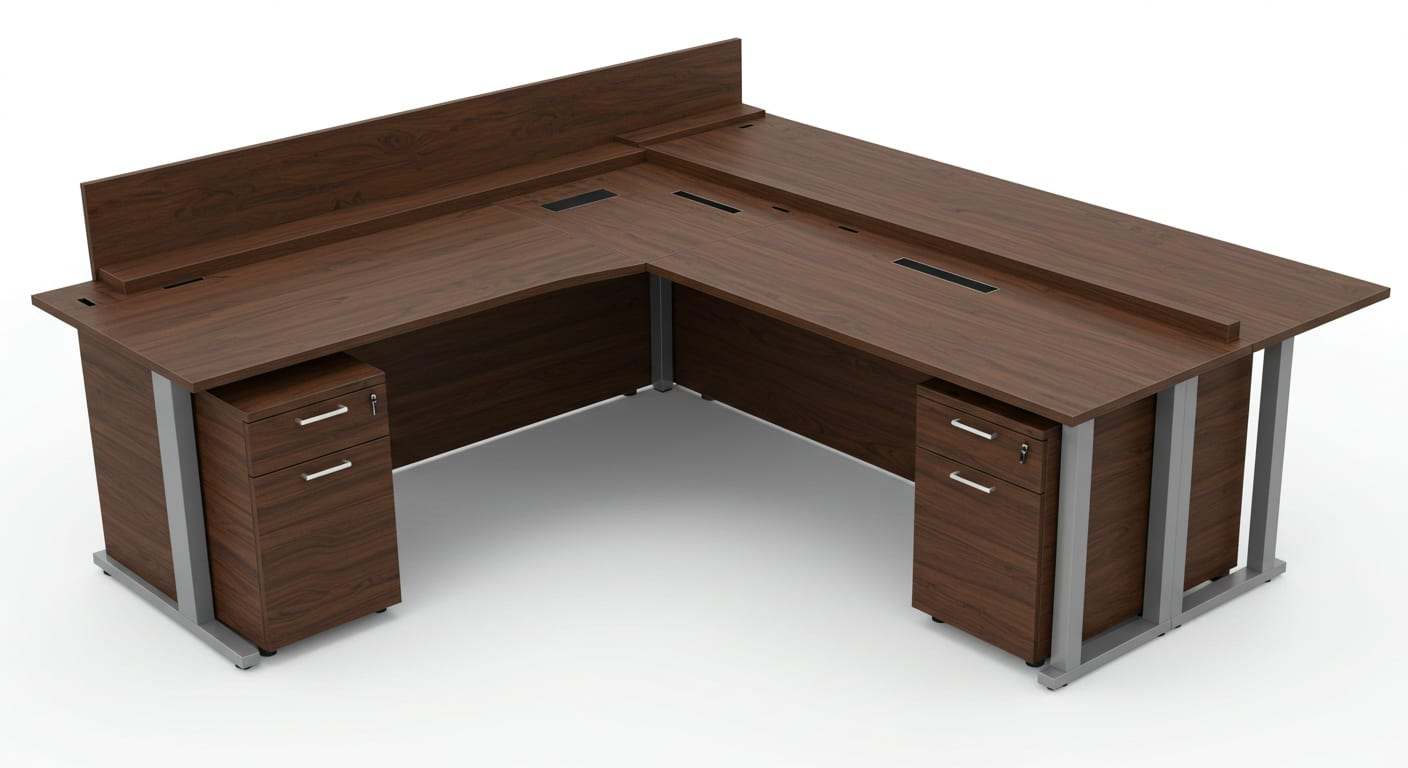
L-Shaped Executive Desk 2
Workstations › Executive Desk
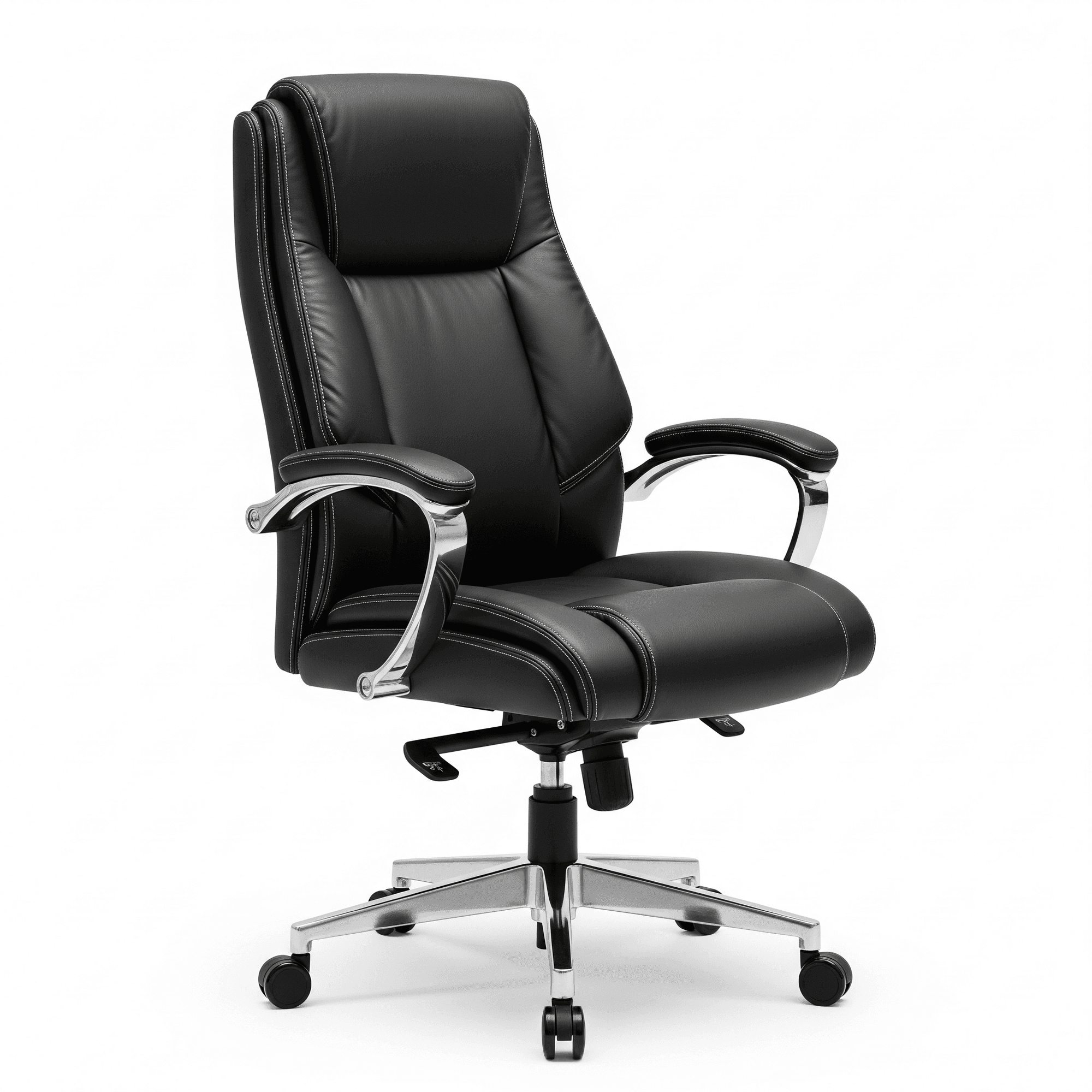
Leather Executive Chair
Seating › Executive Chair
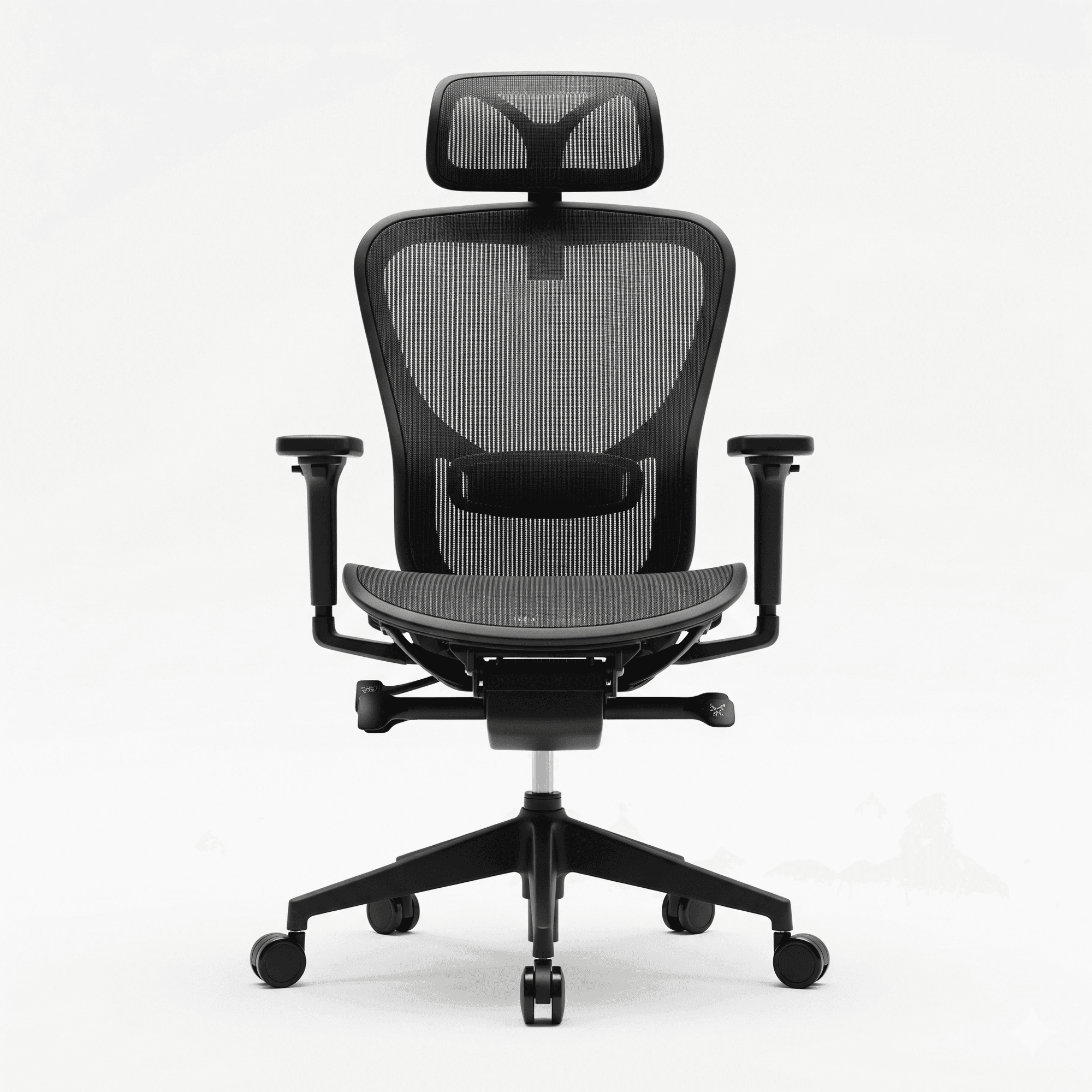
Mesh Ergonomic Chair
Seating › Ergonomic Chair
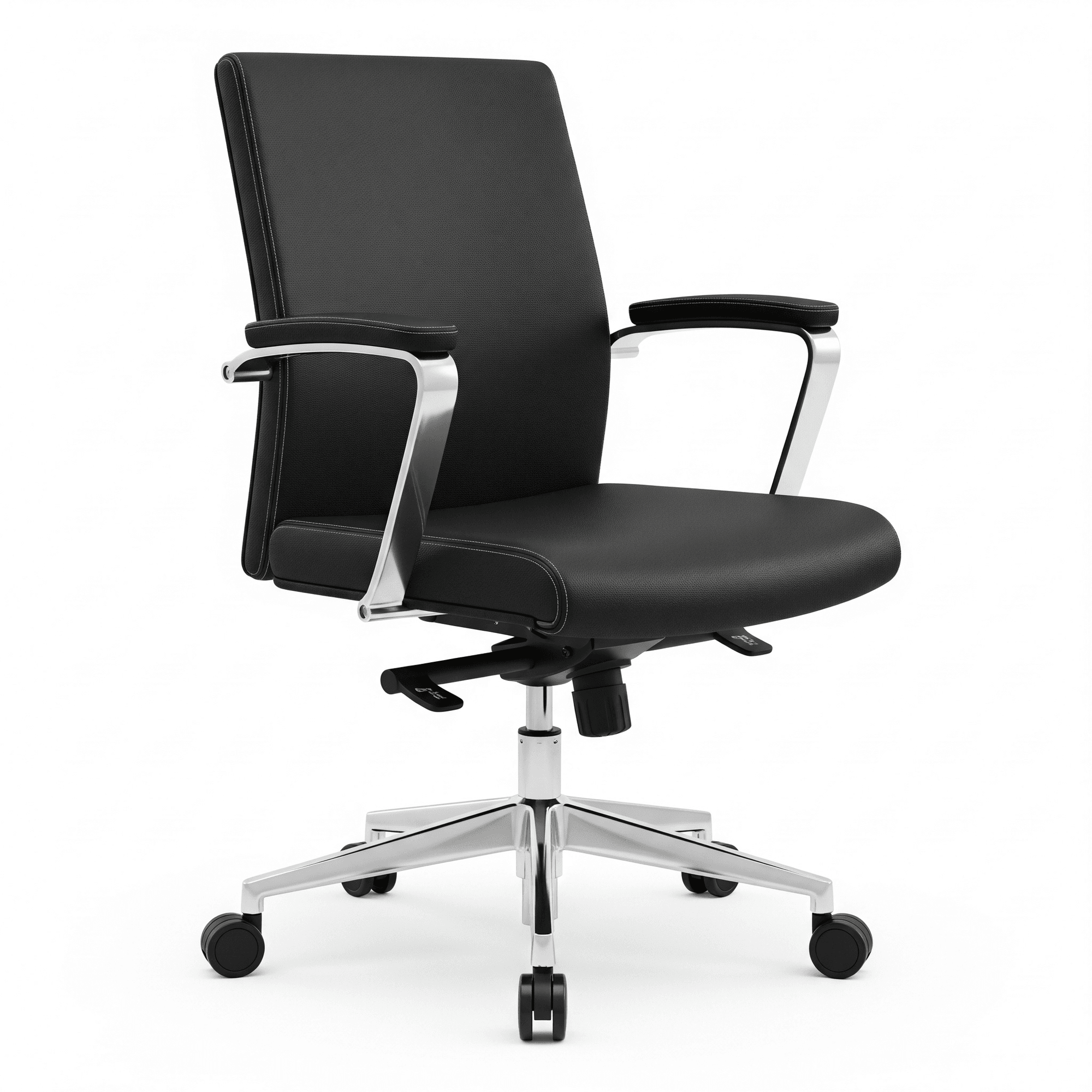
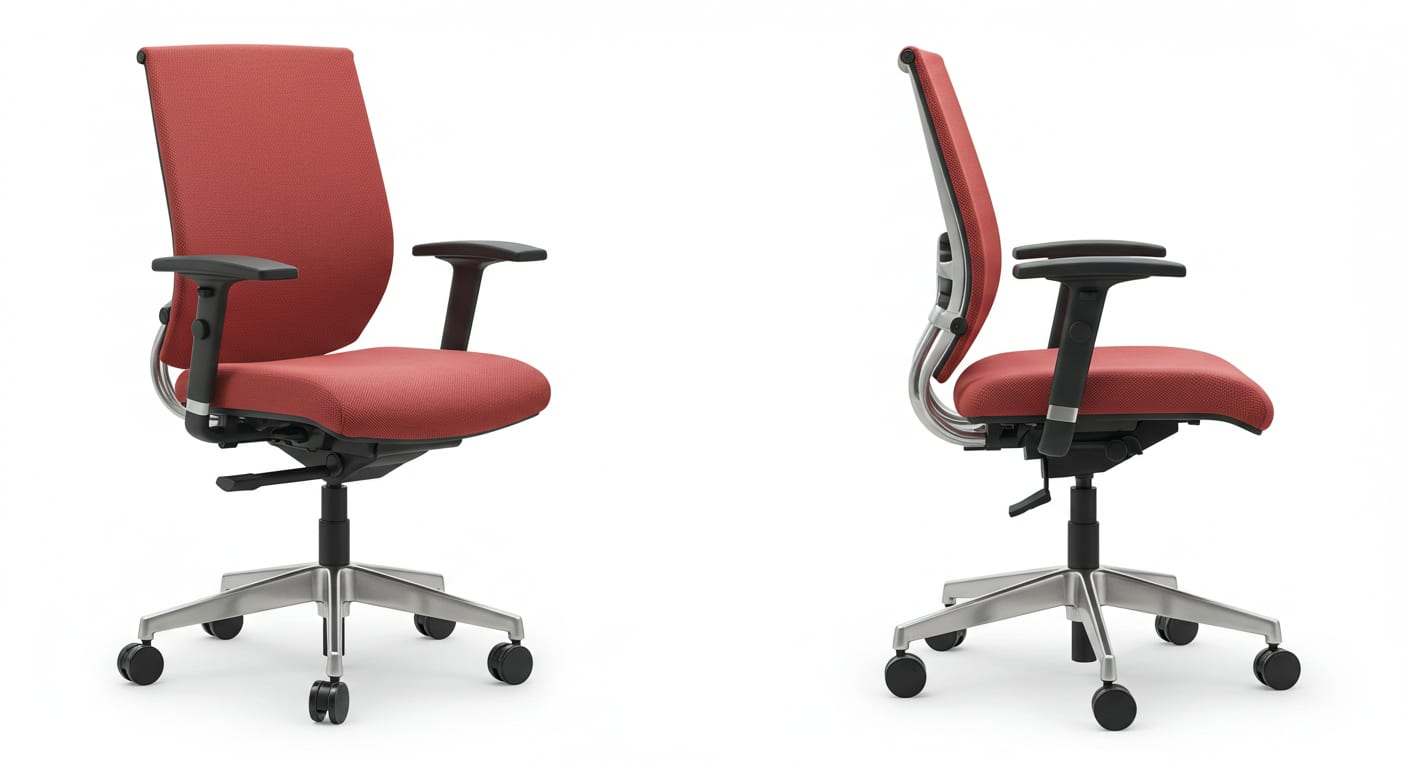
Mid-Back Executive Chair
Seating › Executive Chair
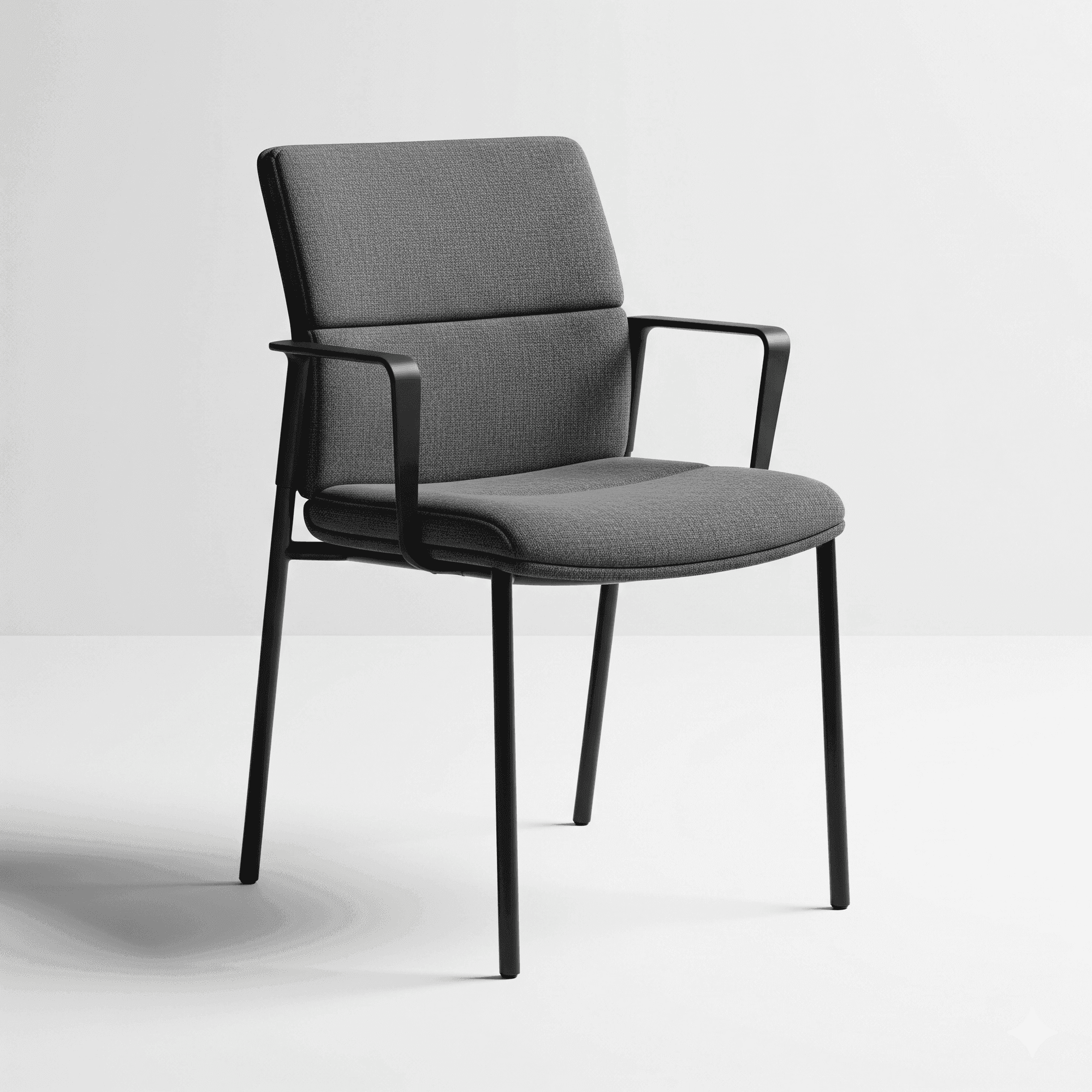
Padded Visitor Chair
Seating › Visitor Chairs
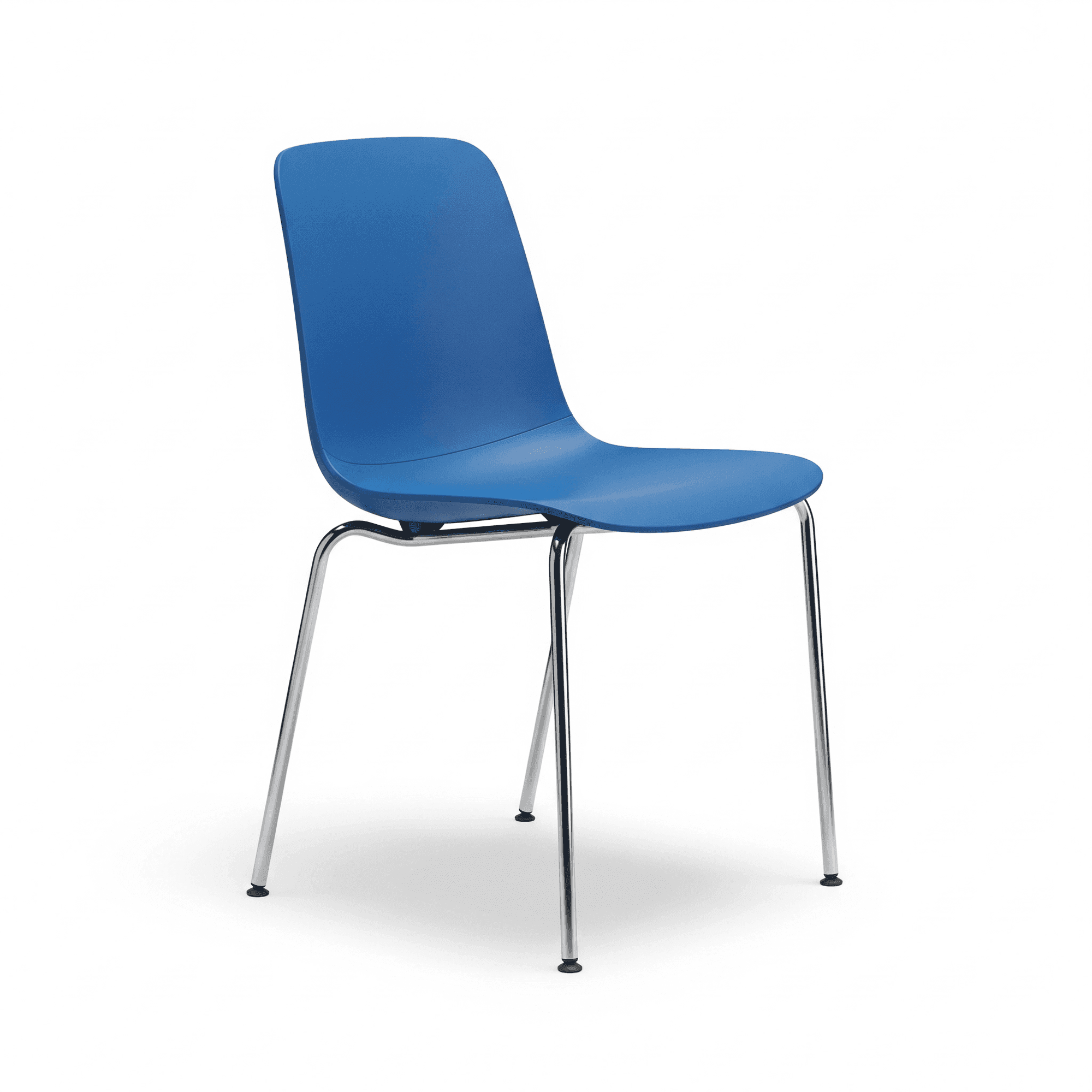
Plastic Visitor Chair
Seating › Visitor Chairs
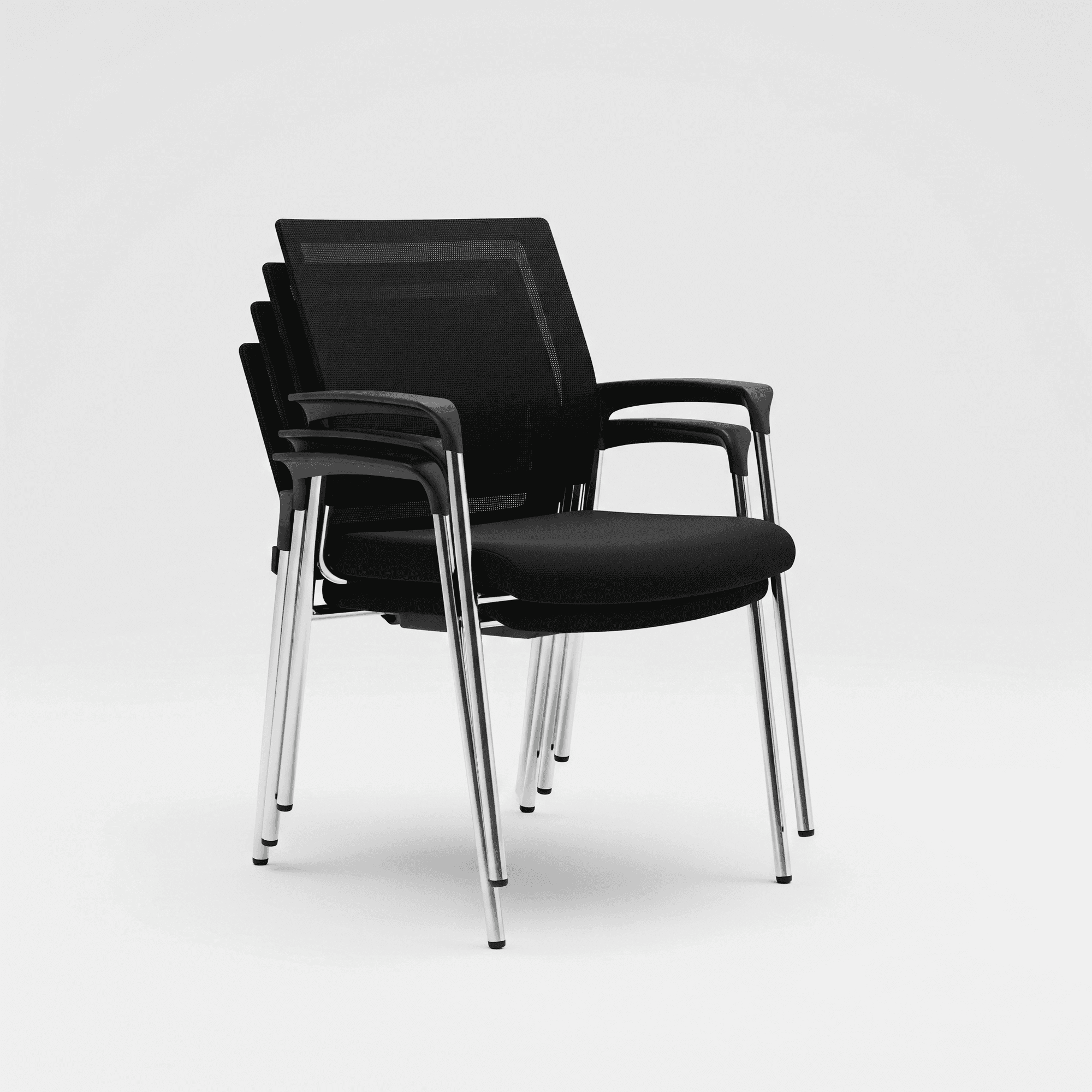
Stackable Visitor Chair
Seating › Visitor Chairs
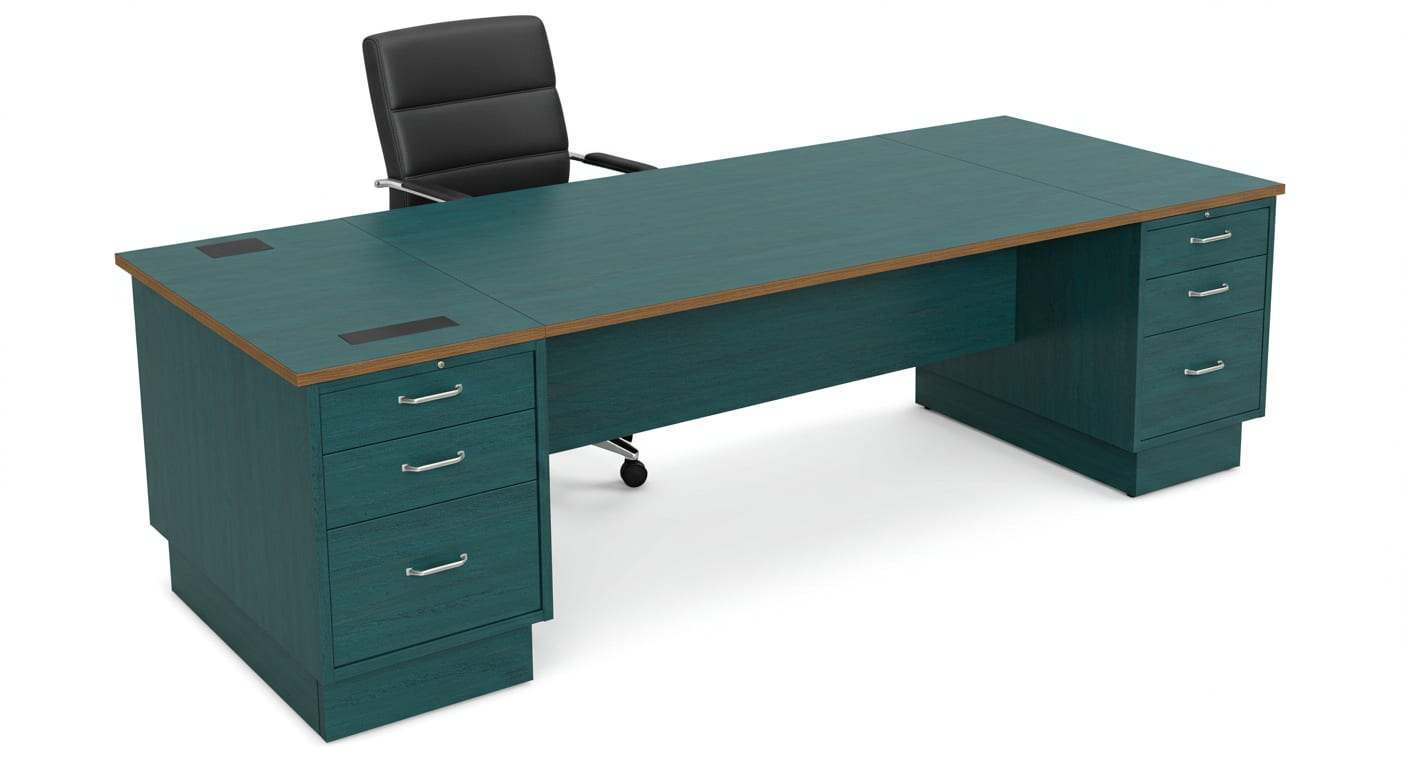
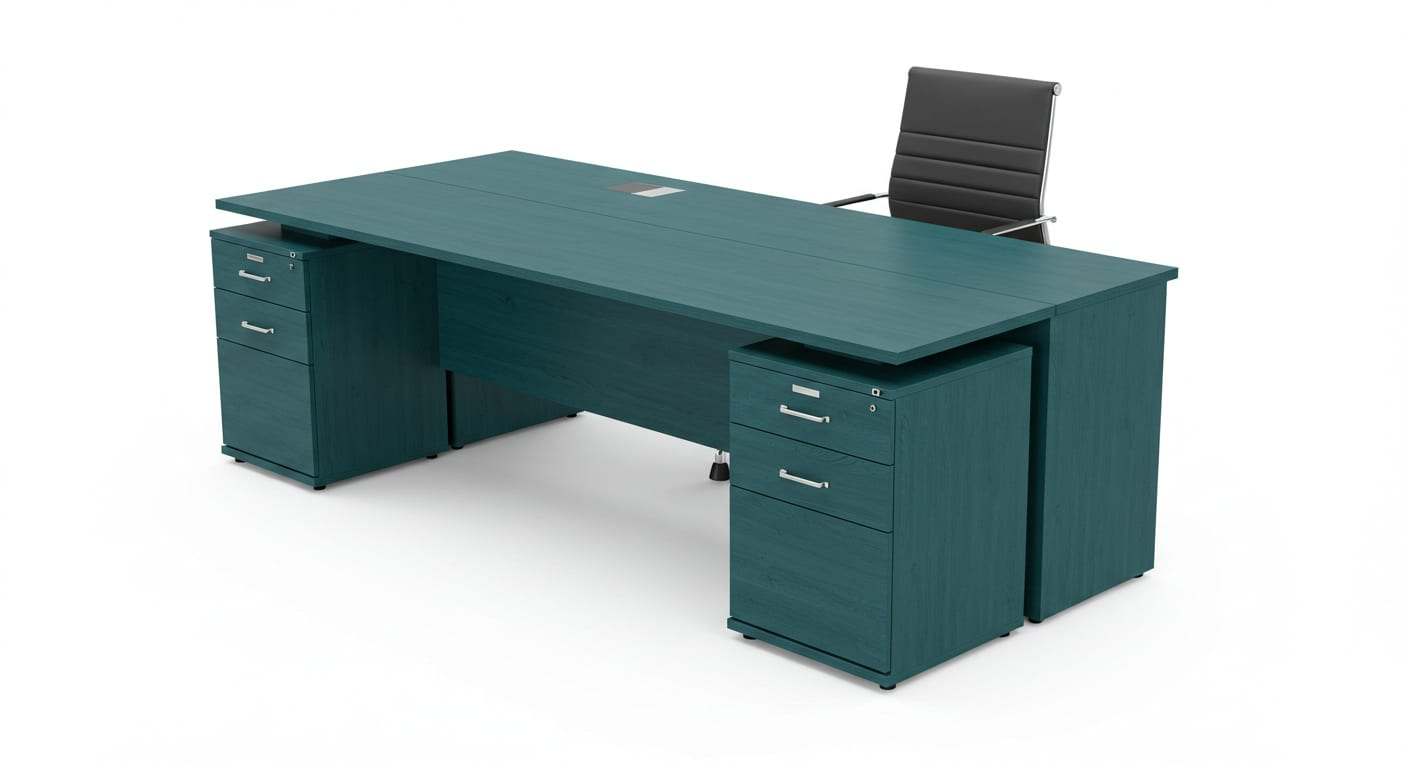
Straight Executive Desk
Workstations › Executive Desk
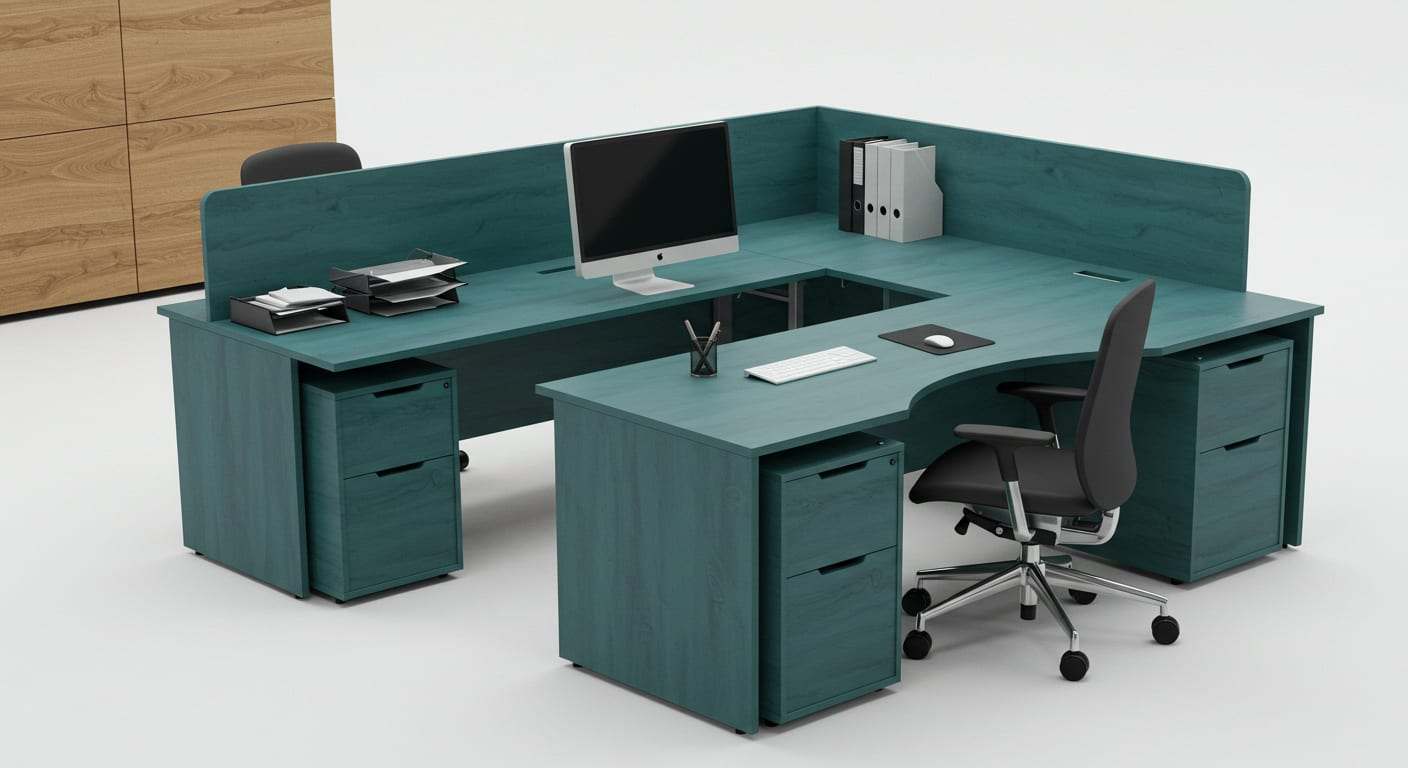
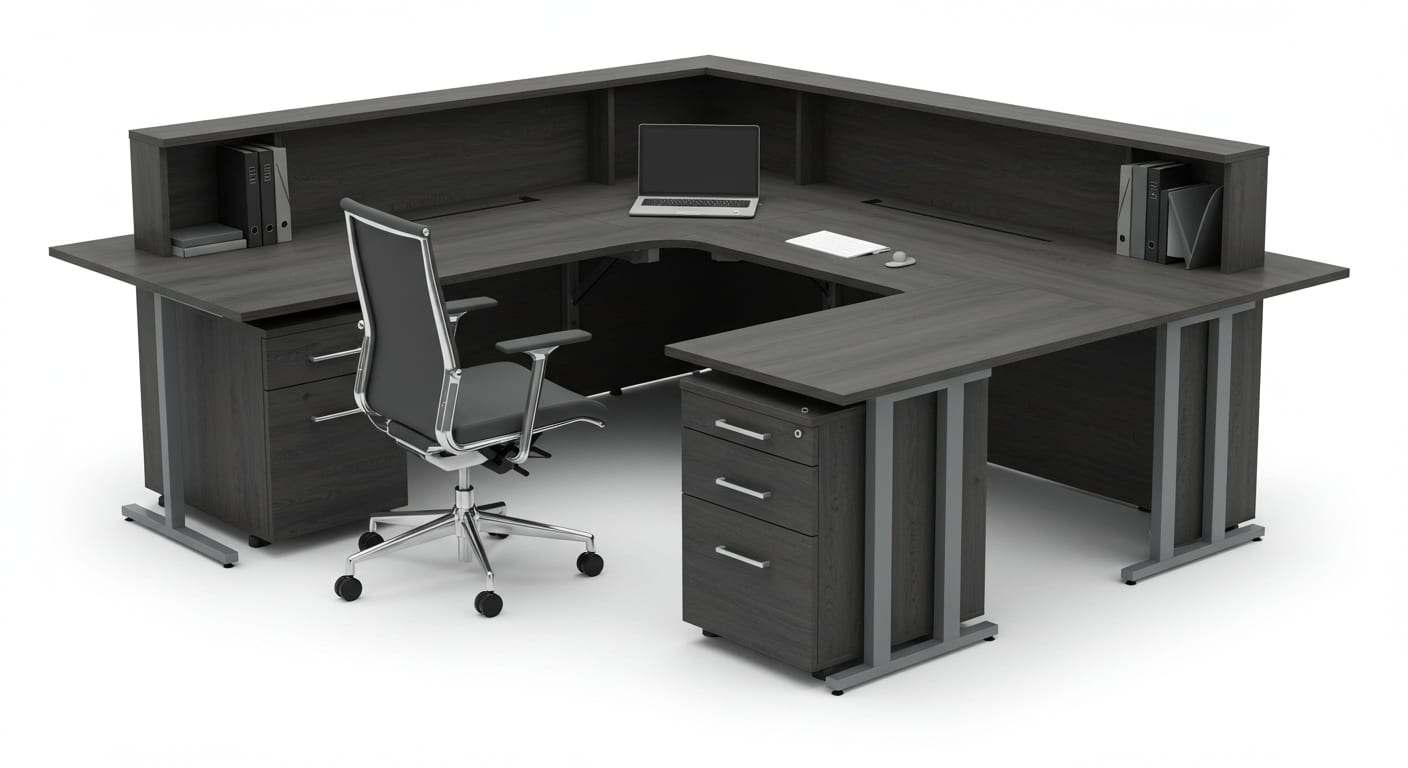
U-Shaped Executive Desk
Workstations › Executive Desk
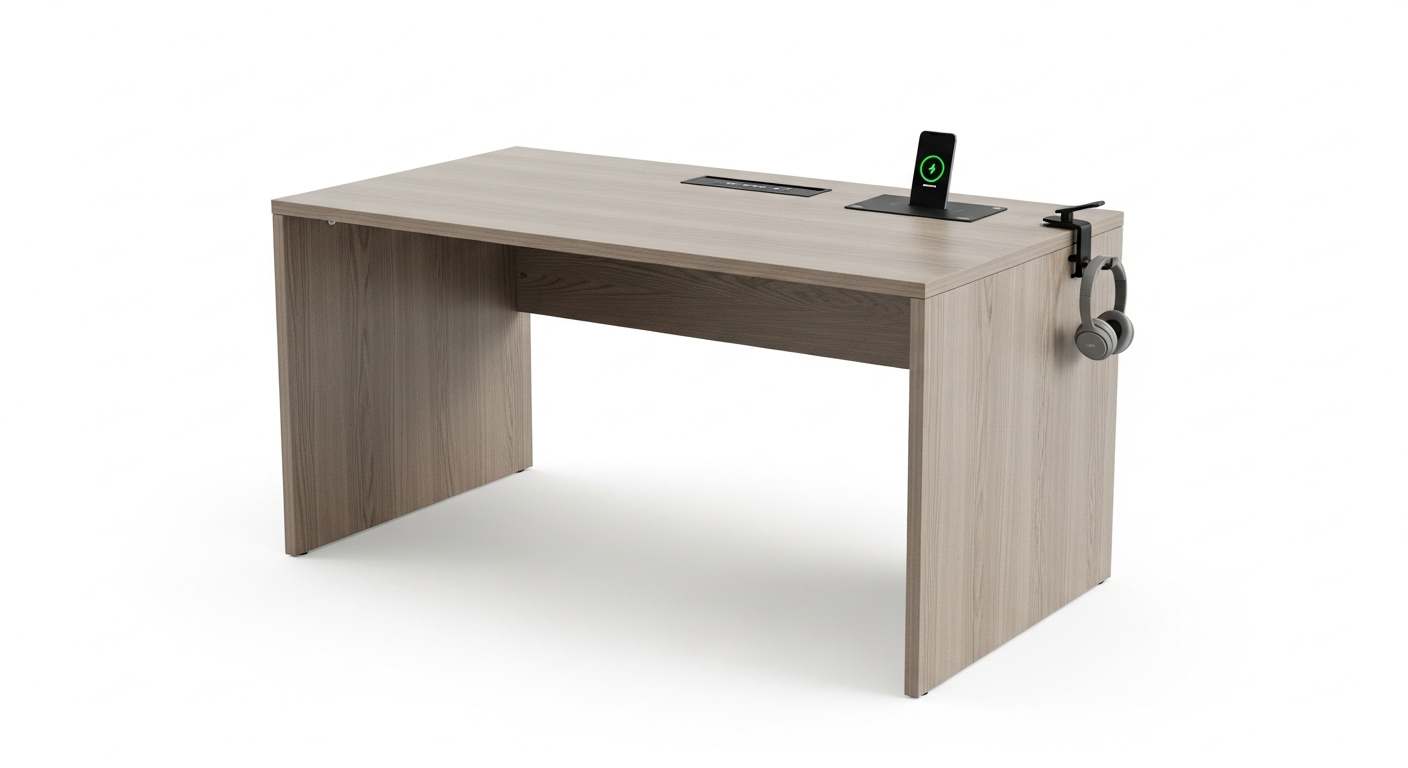
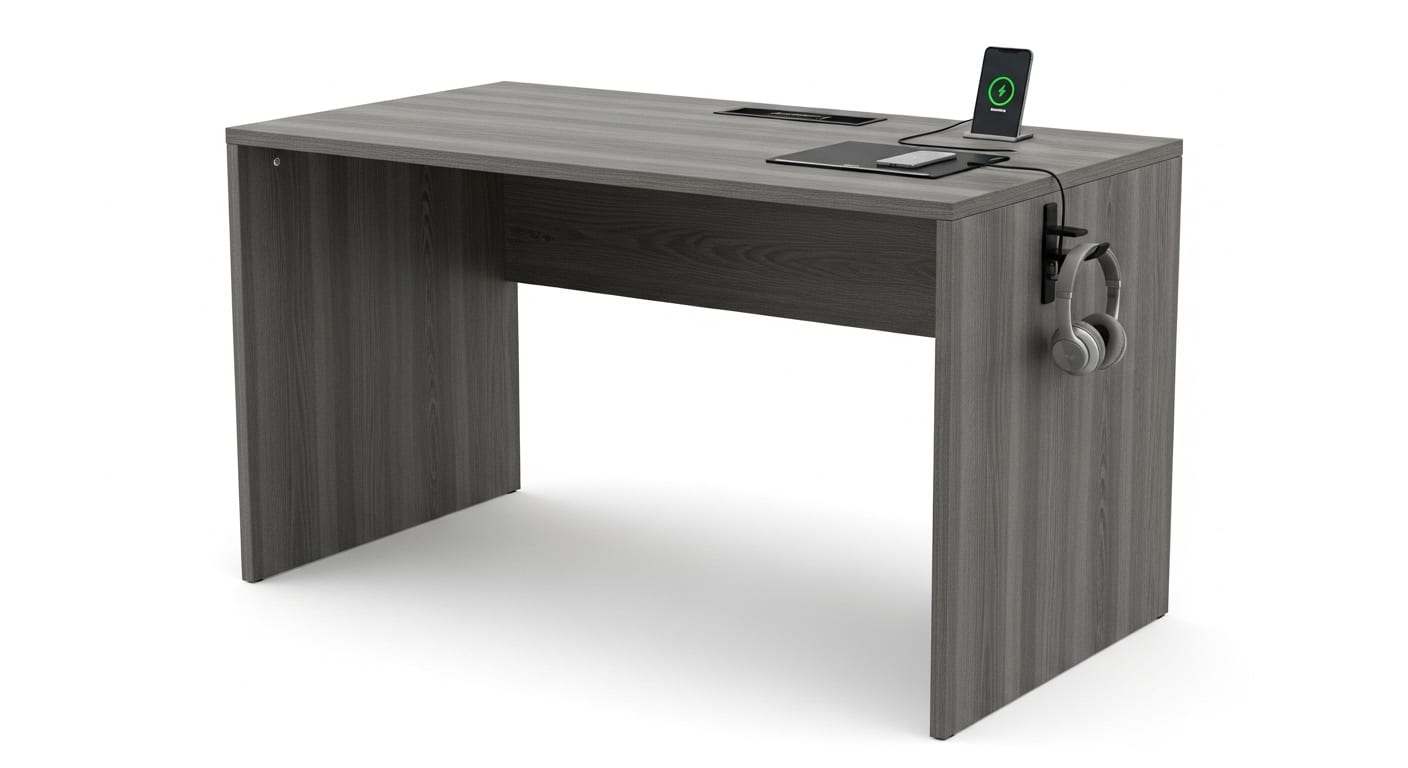
Writing Desk - MDF Leg
Workstations › Writing Desk
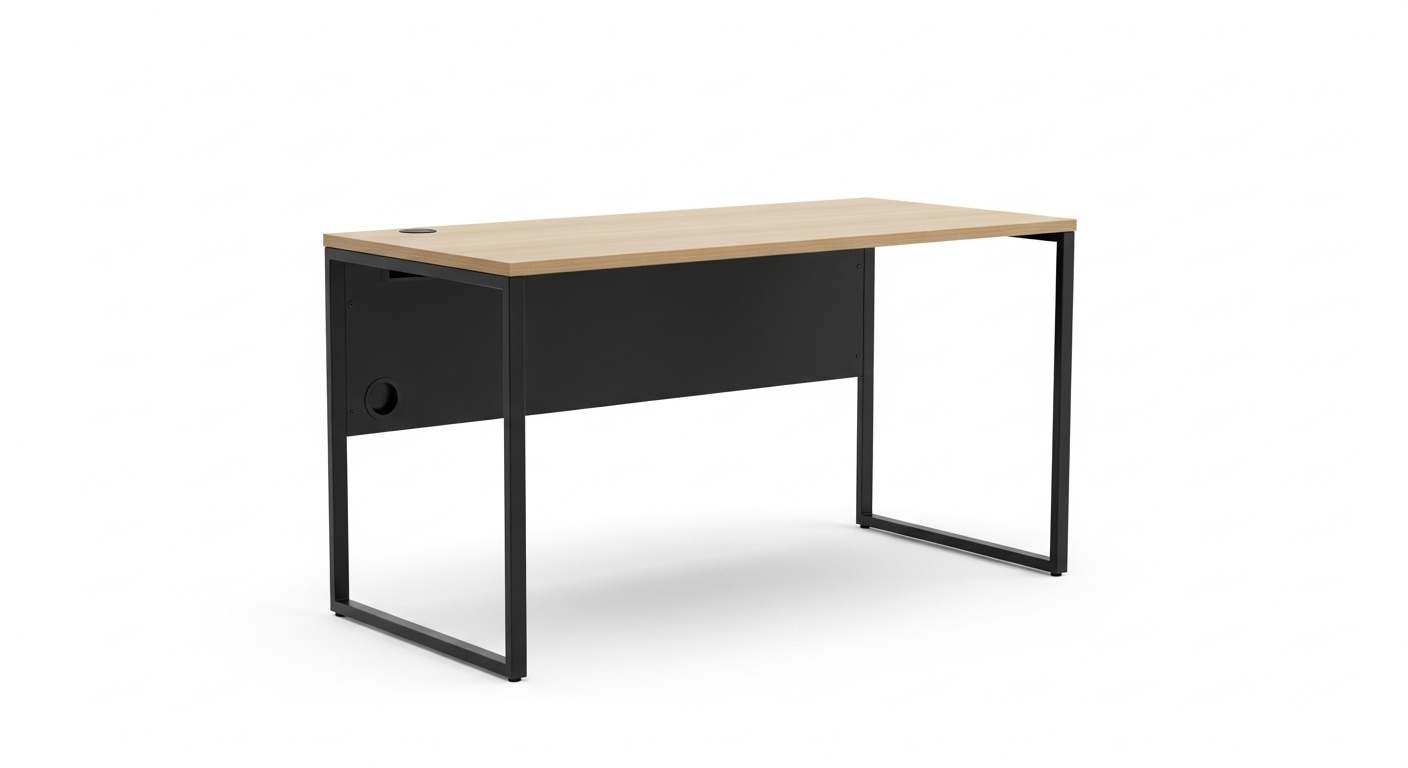
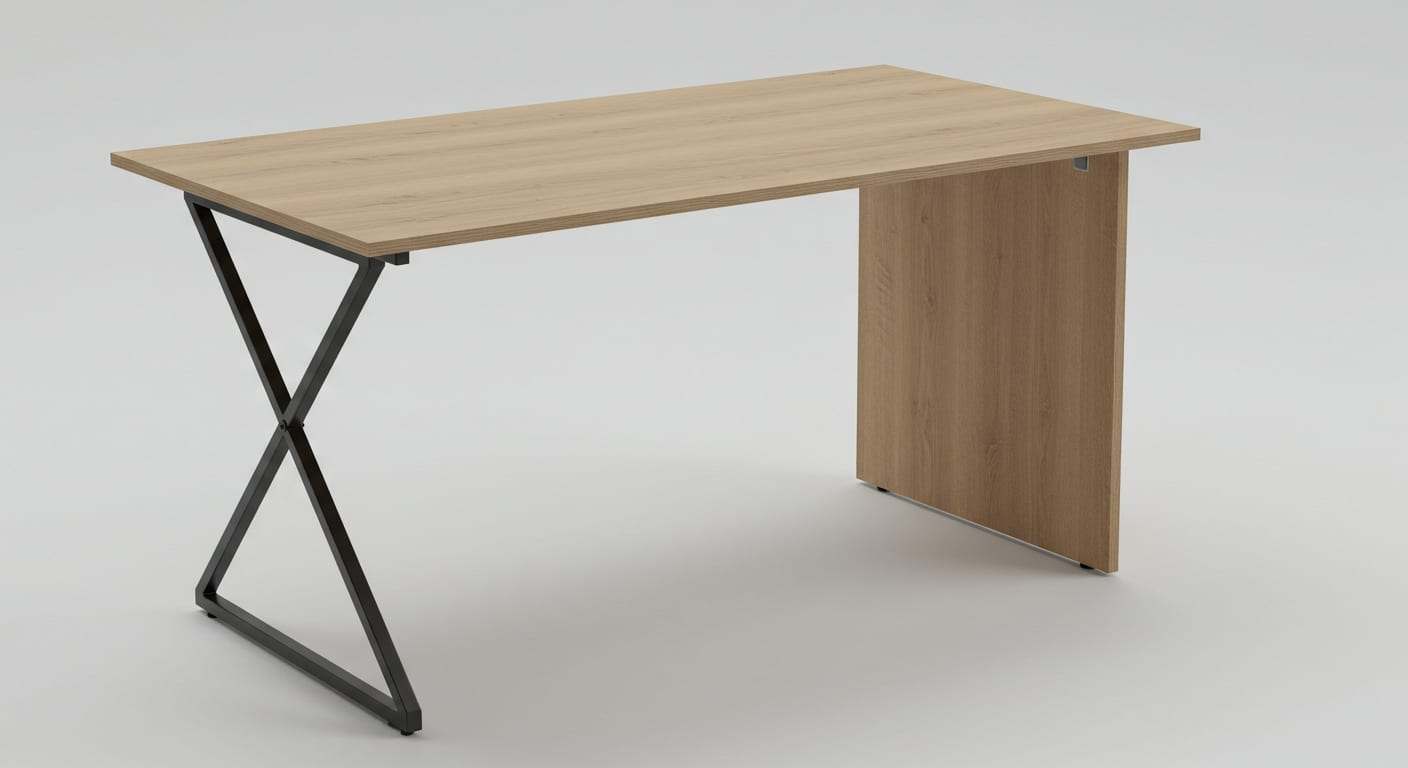
Writing Desk - Metal Leg
Workstations › Writing Desk
Need help selecting the right products?
Our FF&E project management team can guide your selection from specification through delivery.
Buying Guide
Specifying Office & Corporate Spaces Furniture
- Specify task chairs to commercial durability standards
Any task chair used eight hours a day should meet commercial durability and safety standards with documented test reports. Chairs that only cite generic weight ratings without independent testing should be treated skeptically.
- Prioritize adjustability over aesthetics
Seat height, seat depth, lumbar position, arm height, and arm width should all adjust independently. A beautiful chair that only fits the fiftieth-percentile user will create ergonomic complaints from every employee outside that range within the first quarter of occupancy.
- Plan power and data before fixed furniture
Height-adjustable desks, benching systems, and conference tables need to coordinate with floor cores, power poles, and modular wiring. Specifying the furniture first and retrofitting power is almost always more expensive than engineering both paths together.
- Account for acoustics in open plans
Open workstations amplify conversation and keyboard noise. Acoustic panel walls, upholstered dividers, and enclosed phone rooms are no longer optional in dense plans. Budget acoustic treatment as part of furniture scope, not a late-stage add.
- Order spare stock for reconfiguration
Office tenants reconfigure floors more often than they re-specify furniture. Ordering spare stock of workstation components, chair parts, and matching finishes makes future moves and team growth straightforward instead of triggering an entire re-procurement.
Materials & Construction
What We Build It From
Office casegoods and workstations typically use HPL or melamine work surfaces over particleboard or MDF substrates, edged in PVC or 3mm impact-resistant edge banding. Premium executive pieces use hardwood veneer over ply substrates. Task seating uses molded polymer shells, mesh backs, polyurethane foam seats, and powder-coated or polished aluminum bases. Frames for benching and conference tables are welded steel, often powder-coated. Upholstery on lounge and conference pieces is specified for commercial durability appropriate for contract use.
Frequently Asked
Questions About Office & Corporate Spaces Furniture
How do we know a task chair is actually ergonomic?
Look for documented compliance with commercial durability standards and independent adjustability of seat height, seat depth, lumbar, and arms. Marketing language like ergonomic by itself is meaningless without test data and adjustment range specs. Ask for the chair's spec sheet and test reports.
Can you integrate power and data into conference and benching tables?
Yes. We build conference tables, benching workstations, and collaboration tables with factory-installed power modules, grommets, cable troughs, and modular wiring compatibility. Electrical rough-in coordination happens during shop drawings so the millwork arrives ready to connect on site.
How much spare stock should we order for a corporate fit-out?
It depends on headcount growth plans and how critical finish and model consistency are to the tenant's workplace standards. We can advise on the right spare stock percentage for your specific project during the specification phase.
Related Guides
Plan Your Office & Corporate Spaces Project
Browse office & corporate spaces furniture by type
Browse all Office & Corporate Spaces products A–Z
Every office & corporate spaces product, grouped by furniture type.